1
09: Handling Exceptions - 245
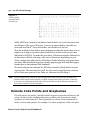
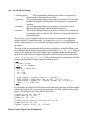
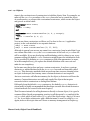
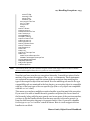
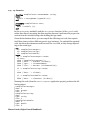
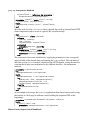
EInvalidOp
EZeroDivide
EOverflow
EUnderflow
EAccessViolation
EPrivilege
EControlC
EQuit
EInvalidCast
EConvertError
ECodesetConversion
EVariantError
EPropReadOnly
EPropWriteOnly
EAssertionFailed
EAbstractError
EIntfCastError
EInvalidContainer
EInvalidInsert
EPackageError
ECFError
EOSError
ESafecallException
EMonitor
EMonitorLockException
ENoMonitorSupportException
EProgrammerNotFound
ENotImplemented
EObjectDisposed
EJNIException
note
I don't know about you, but I still have to figure out the exact usage scenario of what I consider
the most odd exception class, the EProgrammerNotFound exception.
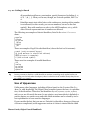
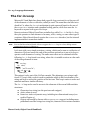
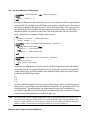
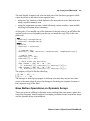
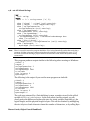
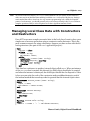
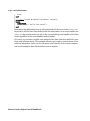
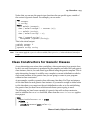
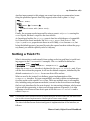
Now that you have seen the core exceptions hierarchy, I can add one piece of information to the previous description of the except-on statements. These statements
are evaluated in sequence until the system finds an exception class matching the
type of the exception object that was raised. Now the matching rule used is the type
compatibility rule we examined in the last chapter: an exception object is compatible
with any of the base types of its own specific type (like a TDog object was compatible
with the TAnimal class).
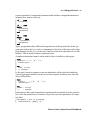
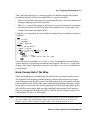
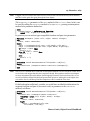
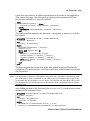
This means you can have multiple exception handler types that match the exception.
If you want to be able to handle the more granular exceptions (the lower classes of
the hierarchy) along with the more generic one in case none of the previous matches,
you have to list the handler blocks from the more specific to the more generic (or
from the child exception class up to its parent classes). Also, if you write a handler
for the type Exception it will be a catch-all clause. Here is a code snippet with two
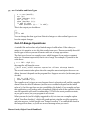
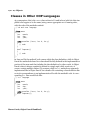
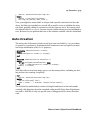
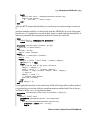
handlers in one block:
Marco Cantù, Object Pascal Handbook