1
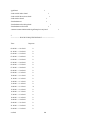
Even more so if F1 were to be fixed. So the solution would be to only output those values which are
non zero.
F3. It is noticeable that in the reports which output the frequent objects and pages that some files have
different counts although they mean the same thing. For example the files:
/file1
400
/file1/ 265
These are the same objects on the web server (due to the format in which web servers allow requests
to be supplied); however they are counted as two different objects. This is misleading and the solution
would be to only add a file to the hash if it definitely wasn’t already present in it as a key. For
example you could perform some checks, if the current file matches a pattern you know to be the
same as another then simply replace the file with the standard one. This is basically making the files
canonical before placing them in the hash.
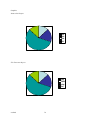
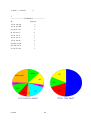
F4. The pie chart output is currently not sorted in any way. The pie segments are not ordered
descending or ascending which I feel would help. The current implementation using the GD::Graph
module does not allow this. Therefore another graphics module should be found. This may also mean
better quality less pixelated images are produced if chosen carefully.
4.7
Evaluation
4.7.1
Evaluation Criteria
1. Requirements Review
The requirements laid down at the beginning of the existing techniques phase were the basic functions
and services that the tool should now perform. If the tool does not now meet these requirements then
the wrong tool has been built.
2. Testing Results.
The requirements may have been met, the test results will help reveal this, but will also tell the author
how effective those requirements are that have been implemented. The user testing will give us good
insight as to whether or not the software is useable, and the performance testing will tell us if the
running time aspects have been met.
3. Tool Comparison.
A good way to see if what has been built is good or not is to compare it to other tools around. In
particular looking at those tools surveyed in the background section of this report (section 2.5.3).
scs2htd
38