1
INTREPID User Manual
Library | Help | Top
Euler Deconvolution (T44)
37
| Back |
Classifying Euler solutions
Parent topic:
Euler
Deconvolution
(T44)
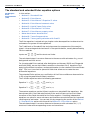
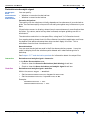
You can classify Euler solutions by binning analysis or cluster analysis. Binning
analysis is the older of the two methods.
In this section:
•
Binning analysis—classifying Euler solutions by depth
•
Binning analysis—specifying geographic bins
•
Cluster analysis
Binning analysis—classifying Euler solutions by depth
Parent topic:
Classifying
Euler solutions
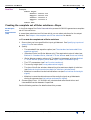
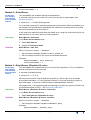
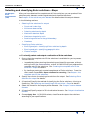
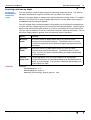
You can divide the range of solution depths into layers. The layers are numbered
from 1 (the shallowest). INTREPID will classify each solution according to the depth
layer to which it belongs. INTREPID computes statistics separately for the
individual layers.
Layers have equal thickness, divided equally between minimum and maximum
depths. If you have set minimum and maximum depths (see Selecting solutions by
depth), INTREPID divides up the distance between them for the layers. If you have
not specified depths, INTREPID uses the actual depth range of the full set of
solutions.
The default number of layers is 1.
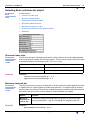
Task files
Library | Help | Top
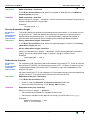
Option
Purpose
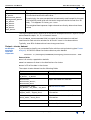
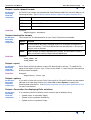
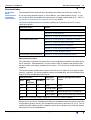
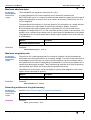
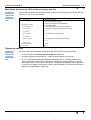
Do Binning Analysis
Check this box to perform vertical and horizontal binning
classification. See also Binning analysis—specifying
geographic bins. To disable vertical binning (layers),
specify 1 vertical layer
Number of Vertical
layers
Use this text box to specify the number of depth layers for
the Euler solutions.
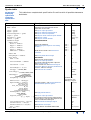
Example:
Binning_Analysis= Yes
NumberVerticalLayers= 1
© 2012 Intrepid Geophysics
| Back |