1
Desmond Users Guide, Release 3.4.0 / 0.7.1
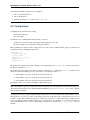
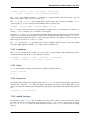
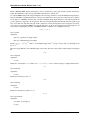
7.1.1 Force terms
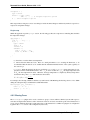
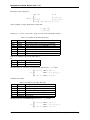
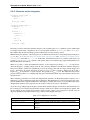
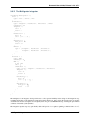
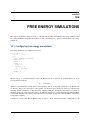
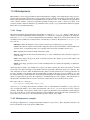
This section is a specification of force term plugins similar in layout to the application specific plugin section.
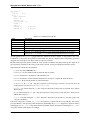
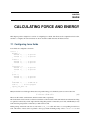
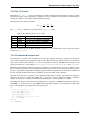
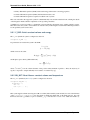
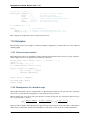
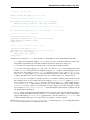
force.term = {
list = [ ... key ... ]
key = {
type = type
... # term specific configuration options
}
}
Examples of such terms that we have seen so far are BiasingForce, described in Biasing Force and e_bias,
described in e_bias.
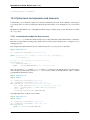
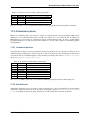
7.2 Bonded, pair, and excluded interactions
This section describes the built-in bonded term objects that can be used in a Desmond application, specified by records
in the bond_term table of the DMS file.
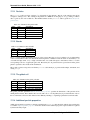
7.2.1 Stretch terms
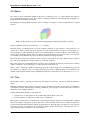
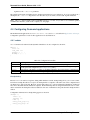
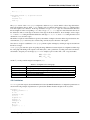
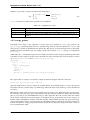
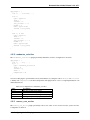
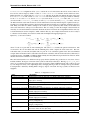
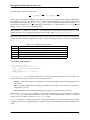
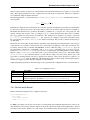
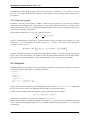
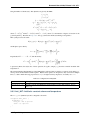
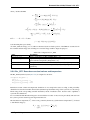
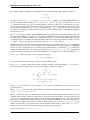
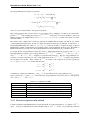
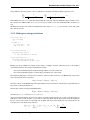
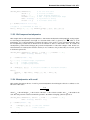
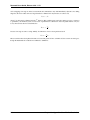
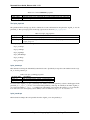
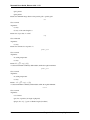
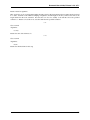
The vibrational motion between two atoms (i, j) is represented by a harmonic potential as:
Vs (rij ) = fc (rij − r0 )2
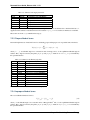
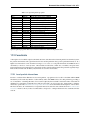
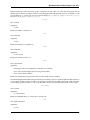
where fc is the bond force constant in units of Energy/Length2 and r0 is the equilibrium bond distance. Terms in
stretch_harm are evaluated using this potential.
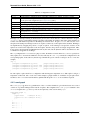
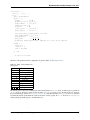
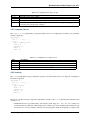
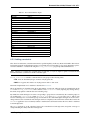
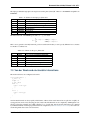
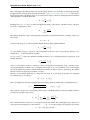
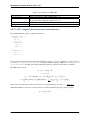
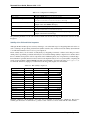
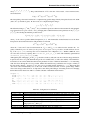
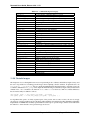
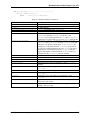
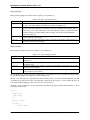
Table 7.2: Schema for the stretch_harm table
name
r0
fc
p0
p1
constrained
type
FLOAT
FLOAT
INTEGER
INTEGER
INTEGER
description
equilibrium separation (LENGTH)
force constant (ENERGY / LENGTH2 )
1st particle
2nd particle
if nonzero, constrained; default 0
Stretch terms that overlap with constraints should have the constrained field set to 1. Applications that evaluate
constraint terms need not evaluate stretch_harm records that are marked as constrained.
These terms are in the stretch Hamiltonian category.
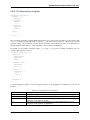
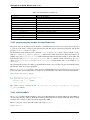
7.2.2 Angle terms
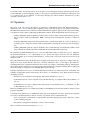
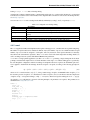
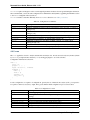
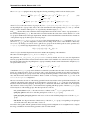
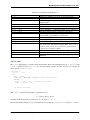
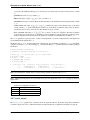
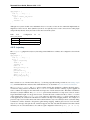
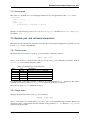
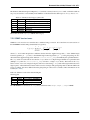
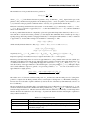
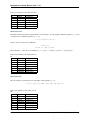
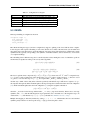
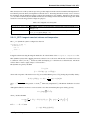
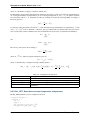
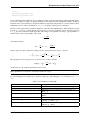
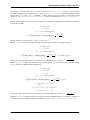
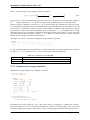
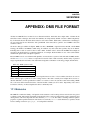
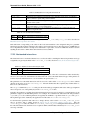
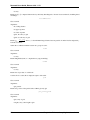
The angle vibration between three atoms (i, j, k) is evaluated as:
Va (θijk ) = fc (θijk − θ0 )2
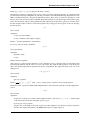
where fc is the angle force constant in Energy/Radians2 and θ0 is the equilibrium angle in radians. Beware, the
explicit use of the θijk angle will introduce discontinuities in the potential at θijk = ±π. Terms in angle_harm are
evaluated using this potential.
7.2. Bonded, pair, and excluded interactions
51