1
The C++ Language Tutorial
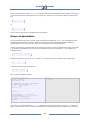
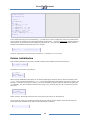
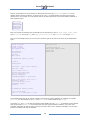
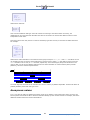
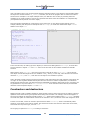
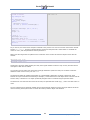
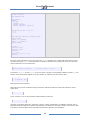
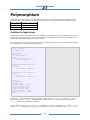
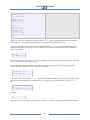
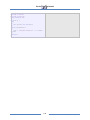
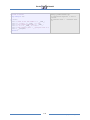
// derived classes
#include <iostream>
using namespace std;
20
10
class CPolygon {
protected:
int width, height;
public:
void set_values (int a, int b)
{ width=a; height=b;}
};
class CRectangle: public CPolygon {
public:
int area ()
{ return (width * height); }
};
class CTriangle: public CPolygon {
public:
int area ()
{ return (width * height / 2); }
};
int main () {
CRectangle rect;
CTriangle trgl;
rect.set_values (4,5);
trgl.set_values (4,5);
cout << rect.area() << endl;
cout << trgl.area() << endl;
return 0;
}
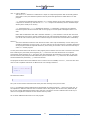
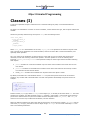
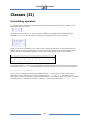
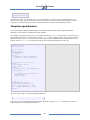
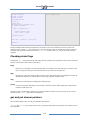
The objects of the classes CRectangle and CTriangle each contain members inherited from CPolygon. These are:
width, height and set_values().
The protected access specifier is similar to private. Its only difference occurs in fact with inheritance. When a
class inherits from another one, the members of the derived class can access the protected members inherited
from the base class, but not its private members.
Since we wanted width and height to be accessible from members of the derived classes CRectangle and
CTriangle and not only by members of CPolygon, we have used protected access instead of private.
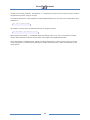
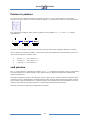
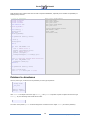
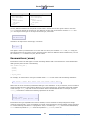
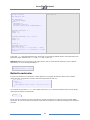
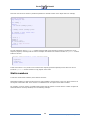
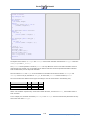
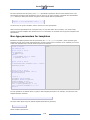
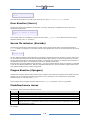
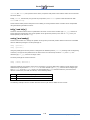
We can summarize the different access types according to who can access them in the following way:
Access
public protected private
members of the same class yes
yes
yes
members of derived classes yes
yes
no
not members
yes
no
no
Where "not members" represent any access from outside the class, such as from main(), from another class or
from a function.
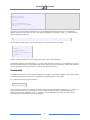
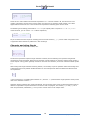
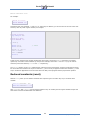
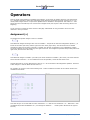
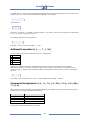
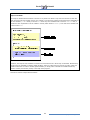
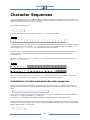
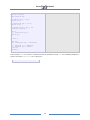
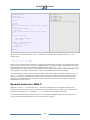
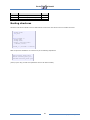
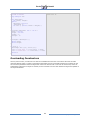
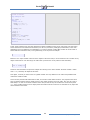
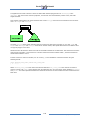
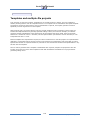
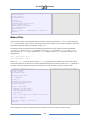
In our example, the members inherited by CRectangle and CTriangle have the same access permissions as they
had in their base class CPolygon:
103
© cplusplus.com 2008. All rights reserved