
1
GGIG Graphical Interface Generator - Documentation
Meta data handling
Why meta data?
Meta data are data about data. In many GAMS projects, it is impossible or cumbersome to tell
exactly based on which shocks and settings results of a model run had been generated. That is
due to the fact that run specific settings are not stored at all or not stored together stored with
the results of the run. Later on, result users are often left guessing what exactly the settings
underlying the run might have been.
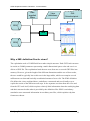
In order to overcome that problem, the GGIG, drawing on CAPRI GUI concepts, passes all
interface settings, plus the user name and the current time, forward to GAMS in one SET
called META.
A correctly defined interface with GGIG should allow to steer all run specific settings. If that
is the case, the meta data generated by GGIG will provide an exact and sufficient definition of
all run specific inputs, ensuring that all relevant meta data about a run are stored along with
quantitative results in the same GDX file. Accordingly, GDX files shipped to other desks or
committed e.g. to a SVN server still carry all necessary information to identify exactly the
run.
Technical concept
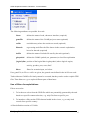
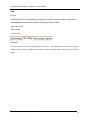
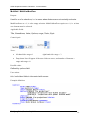
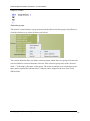
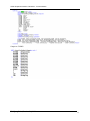
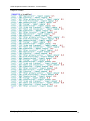
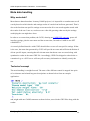
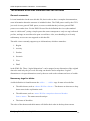
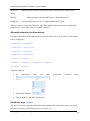
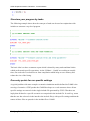
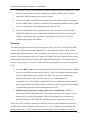
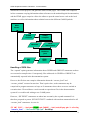
The meta handling is straight forward. The state of the different control is mapped into pairs
of set elements and related long text descriptions as shown below from an example
application:
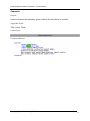
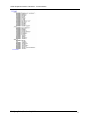
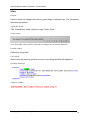
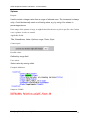
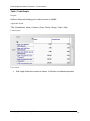
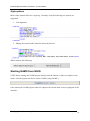
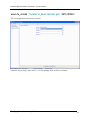
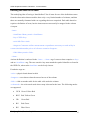
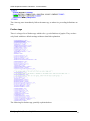
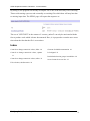
and, might with one GAMS statement as shown below, stored in the GDX files along with the
results:
Wolfgang Britz, Version July 2014
44








![UT1 Capitole Mag n°86 [PDF - 660 Ko ]](http://vs1.manualzilla.com/store/data/006492599_1-ec8fb949aefb4f4bd39ef7fcb477c505-150x150.png)