1
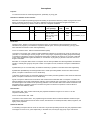
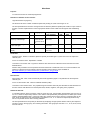
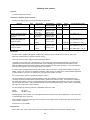
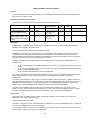
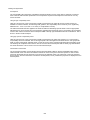
Prevalence: atrial fibrillation
Purpose:
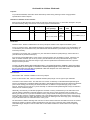
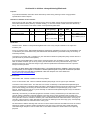
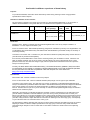
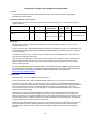
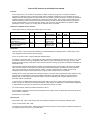
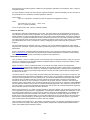
To ascertain the prevalence of atrial fibrillation from General Practice records and help ensure high standards of
primary health care and treatment delivered to NHS patients.
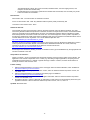
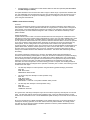
Atrial fibrillation is common, and an important cause of morbidity and mortality. The age specific prevalence of
atrial fibrillation is rising, presumably due to improved survival of people with coronary heart disease. Atrial
fibrillation is associated with a five fold increase in risk of stroke.
Definition of indicator and its variants:
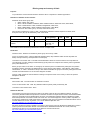
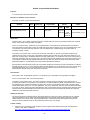
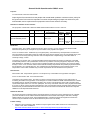
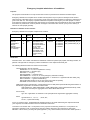
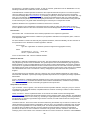
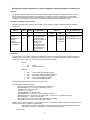
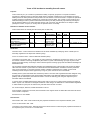
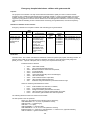
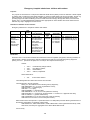
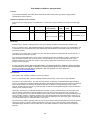
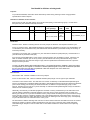
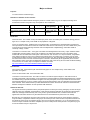
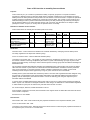
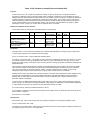
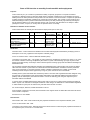
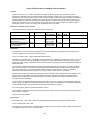
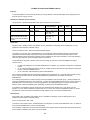
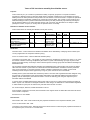
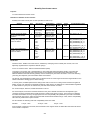
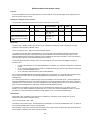
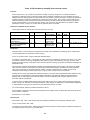
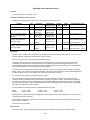
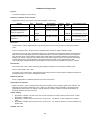
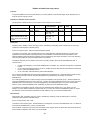
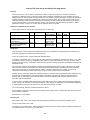
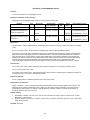
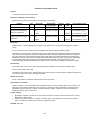
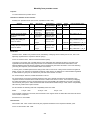
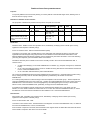
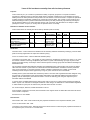
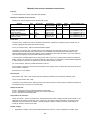
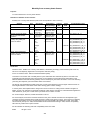
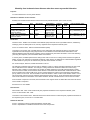
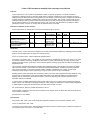
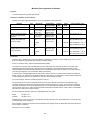
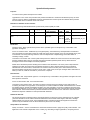
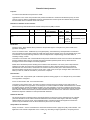
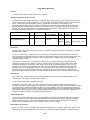
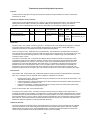
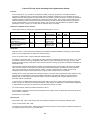
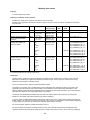
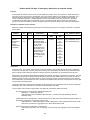
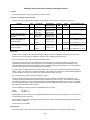
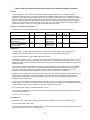
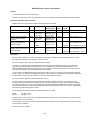
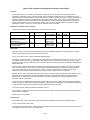
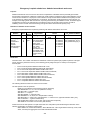
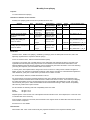
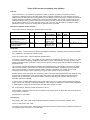
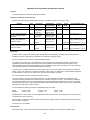
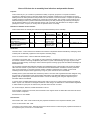
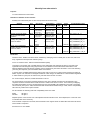
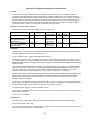
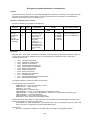
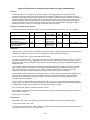
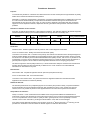
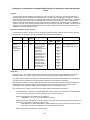
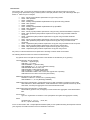
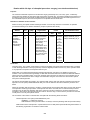
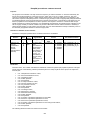
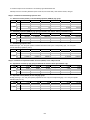
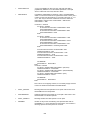
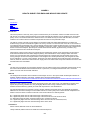
Proportion of all patients with atrial fibrillation in a GP registered population. The atrial fibrillation register include all
patients with: an initial event; paroxysmal (intermittent); persistent and permanent atrial fibrillation.
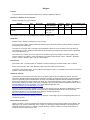
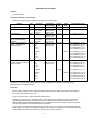
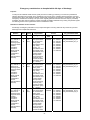
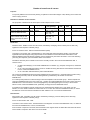
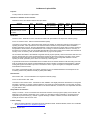
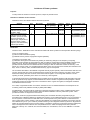
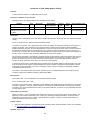
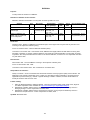
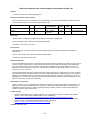
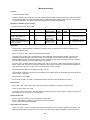
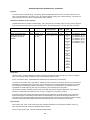
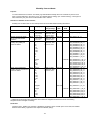
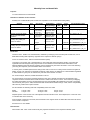
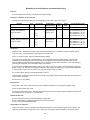
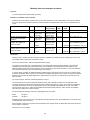
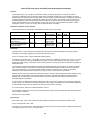
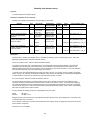
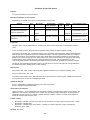
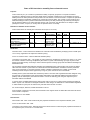
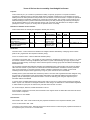
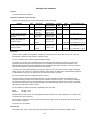
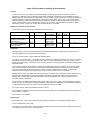
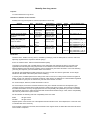
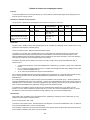
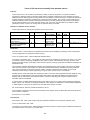
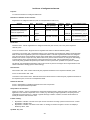
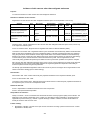
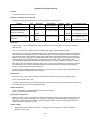
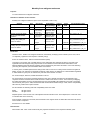
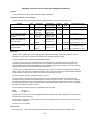
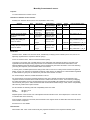
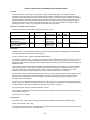
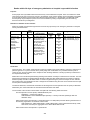
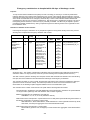
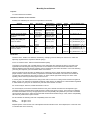
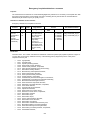
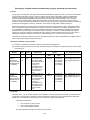
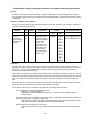
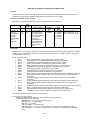
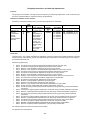
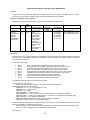
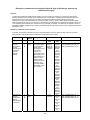
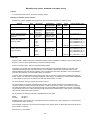
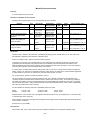
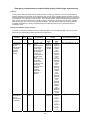
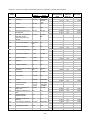
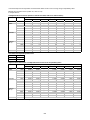
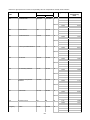
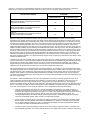
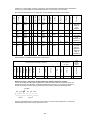
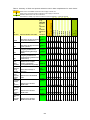
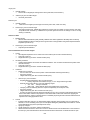
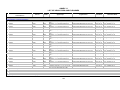
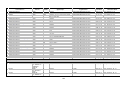
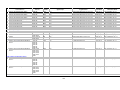
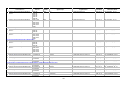
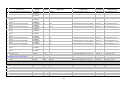
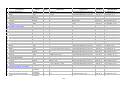
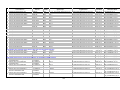
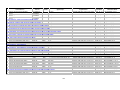
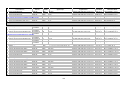
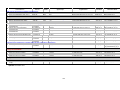
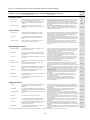
Statistic
Sex
Age
group
Organisation
(see glossary)
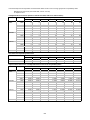
Number and percent of
patients
P
All Ages
E, GOR, SHA,
PCO
Period
Current
data
FY 2008/09
File_worksheet Name
Trend data
39A_658PC_09_V1
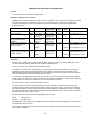
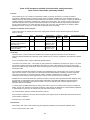
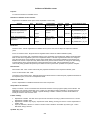
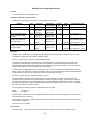
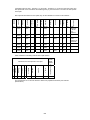
Numerator:
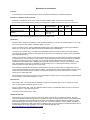
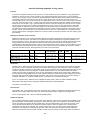
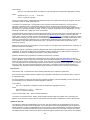
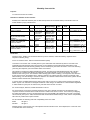
Numerator data - Patients registered with GP practices with a coded diagnosis of atrial fibrillation.
Source of numerator data - Quality and Outcomes Framework (QOF).
Comments on numerator data - The data for this primary care indicator are derived from the Quality Management
Analysis System (QMAS) and supplied by the Prescribing Support Unit at The NHS Information Centre for health
and social care. The QOF is part of the General Medical Services (GMS) contract, with a focus on prevalence and
management of common chronic diseases at general practice level. It is aimed at measuring the achievement of
general practices against a set of evidence based negotiated standards and encouraging good practice.
The data to support the clinical quality indicators (i.e. clinical achievement data) are extracted from individual GP
practice clinical systems and sent automatically to QMAS once a month. Practices can make additional
submissions of clinical data at any time.
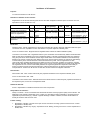
Denominator:
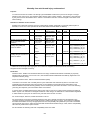
Denominator data - All patients registered with GP practices (total practice list size).
Source of denominator data - See “Numerator data”.
Comments on denominator data - The practice list sizes are supplied to QMAS from the National Health
Applications and Infrastructure Services (NHAIS).
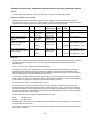
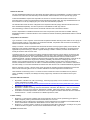
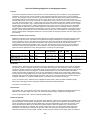
Statistical methods:
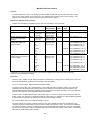
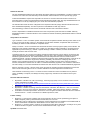
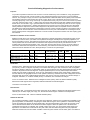
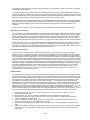
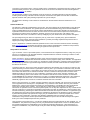
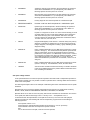
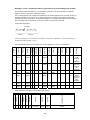
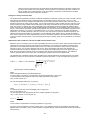
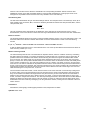
The data are presented as raw (unadjusted) figures as recorded by the practices. Ideally, comparisons between
PCOs should take into account differences between their populations in terms of age, gender and case-mix.
However, this is not possible at present as the supplied data are not broken down by these characteristics
Interpretation of indicators:
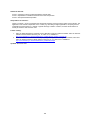
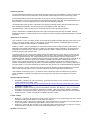
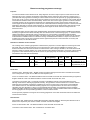
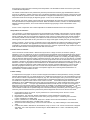
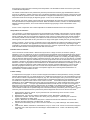
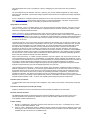
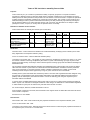
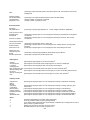
Quality of indicator - Users of data derived from QMAS should recognise that QMAS was established as a
mechanism to support the calculation of practice QOF payments and not as a person based epidemiological tool.
It is not a comprehensive source of data on quality of care in general practice, but it is potentially a rich and
valuable source of such information, providing that the limitations of the data are acknowledged.
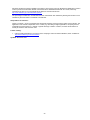
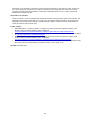
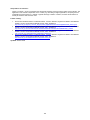
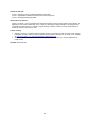
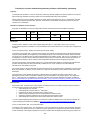
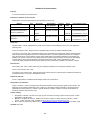
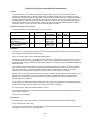
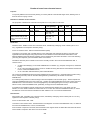
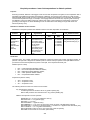
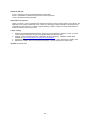
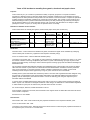
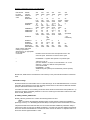
From 2009 onwards, National Prevalence Day has been moved to 31st March (previously 14th February) so that
prevalence is calculated on the same basis as disease registers for indicator denominators.
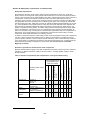
There have been some significant revisions to the QOF, compared to previous years. Therefore direct
comparisons cannot be made except for the indicators that have not been subject to definitional changes.
426