1
Chapter 1
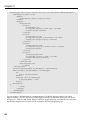
<CodeSnippets xmlns=”http://schemas.microsoft.com/VisualStudio/2005/CodeSnippet”>
<CodeSnippet Format=”1.0.0”>
<Header>
<Title>Create a public property</Title>
</Header>
<Snippet>
<Declarations>
<Literal>
<ID>DataType</ID>
<ToolTip>The property’s data type.</ToolTip>
<Default>Integer</Default>
</Literal>
<Literal>
<ID>Description</ID>
<ToolTip>The property’s description.</ToolTip>
<Default>An Integer property.</Default>
</Literal>
<Literal>
<ID>DefaultValue</ID>
<ToolTip>The property’s default value.</ToolTip>
<Default>0</Default>
</Literal>
<Literal>
<ID>PropertyName</ID>
<ToolTip>The property’s name.</ToolTip>
<Default>MyProperty</Default>
</Literal>
</Declarations>
<Code Language=”VB”>
<![CDATA[
‘ $Description$
Private m_$PropertyName$ As $DataType$ = $DefaultValue$
Public Property $PropertyName$() As $DataType$
Get
Return m_$PropertyName$
End Get
Set(ByVal value As $DataType$)
m_$PropertyName$ = value
End Set
End Property
]]>
</Code>
</Snippet>
</CodeSnippet>
</CodeSnippets>
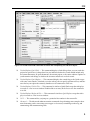
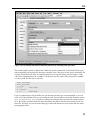
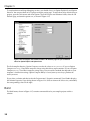
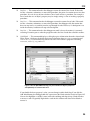
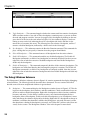
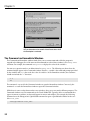
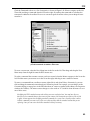
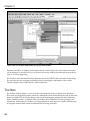
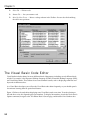
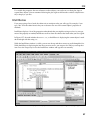
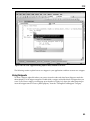
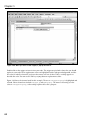
Save the snippet’s XML definition in a snippet directory. To add the directory to the list of usable
snippet locations, select the Tool menu’s Code Snippets Manager command to display the tool shown
in Figure 1-63. Click the Add button, browse to the new snippet directory, and click OK. Now the directory and the snippets that it contains will be available in the Insert Snippet pop-ups.
64