1
Safety Practices and Precautions, Continued
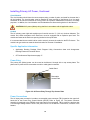
Hazardous or Poisonous Gases
When hazardous gases (such as poisonous, flammable, or oxygen depleting) are potentially present in or
around the Maxum edition II Process Gas Chromatograph (hereafter referred to as Maxum II) area, all
national and international requirements must be fulfilled to protect personnel and the environment against
hazards that could arise. All process conditions (such as normal, backup, and upset) must be considered
in the determination for potential hazardous gas presence. To avoid leaks, scheduled preventive
maintenance and inspection for leaks should be performed by the customer. Leak sources should also be
minimized as is noted in the procedure by external venting of the oven exhaust and analyzer vents. This
reduces (does not eliminate) the sources for leaks, so personnel protection is a requirement whenever
hazardous/poisonous gases may be present. Disregarding this warning could result in serious injury or
death and damage to equipment.
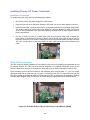
Correct Operating Voltage
Before turning on the power initially, the responsible person should ensure the input voltage is correct for
the unit configuration.
Danger Arising from Loss of Ground
Any interruption of the grounding conductor inside or outside the equipment or loose connection of the
grounding conductor can result in a dangerous unit. Intentional interruption of the grounding conductor is
not permitted.
Safe Equipment
If it is determined that the equipment cannot be operated safely, it should be taken out of operation and
secured against unintentional usage.
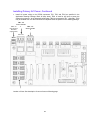
Use the Proper Fuse
To avoid fire hazard, use only a fuse of the correct type, voltage rating, and current rating as
specified in the parts list for your product. Use of repaired fuses or short-circuiting of the fuse
switch is not permitted. Fuses should be replaced by trained service personnel only.
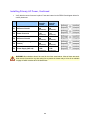
Safety Guidelines
DO NOT perform electrical parts replacement or repairs until all power supplies have been disconnected.
Only an adequately trained technician should service or repair the equipment.
When opening covers or removing parts, extreme care should be taken since hot surfaces and "live”
parts or connections can be exposed.
Caution should be taken when touching the outside surfaces of the analyzer when
installed in ambient conditions above 40°C.
4