1
218
CHAPTER 10. PRUNING ALGORITHMS
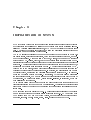
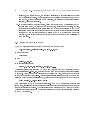
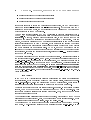
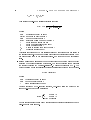
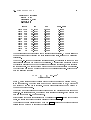
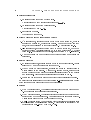
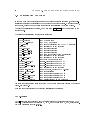
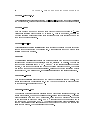
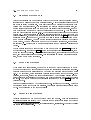
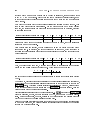
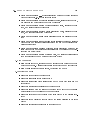
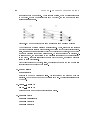
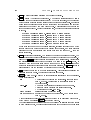
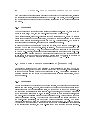
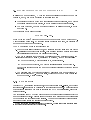
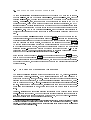
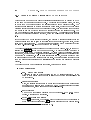
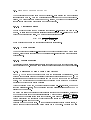
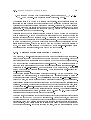
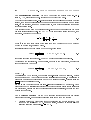
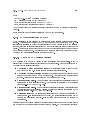
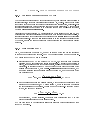
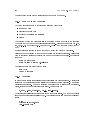
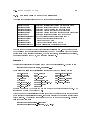
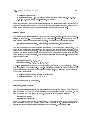
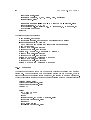
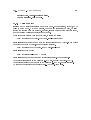
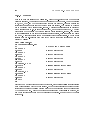
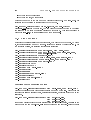
The result of all these simplications reads as follows:
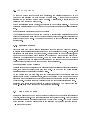
1
2
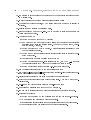
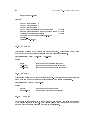
ÆE =
2 1i;jn h(ij);(ij) Æwij
(10.2)
X
n
Now it is necessary to compute the diagonal elements of the Hesse-Matrix. For the description of this and to obtain further information read [YLC90].
10.2.3 Optimal Brain Surgeon
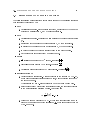
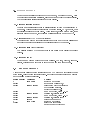
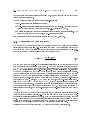
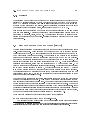
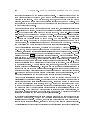
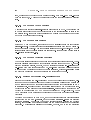
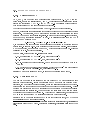
Optimal Brain Surgeon (OBS, see [BH93]) was a further development of OBD. It computes
the full Hesse-Matrix iteratively, which leads to a more exact approximation of the error
function:
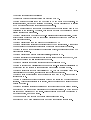
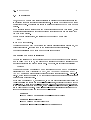
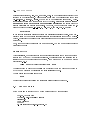
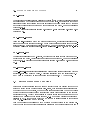
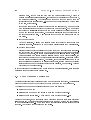
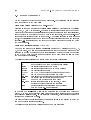
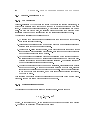
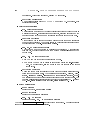
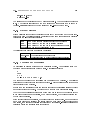
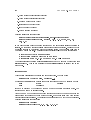
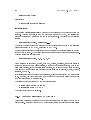
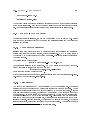
1
(10.3)
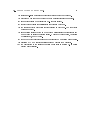
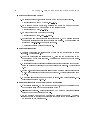
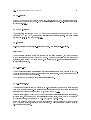
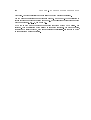
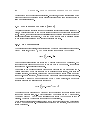
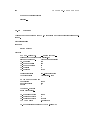
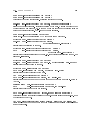
ÆE = ÆW T H ÆW
2
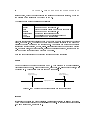
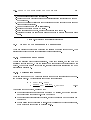
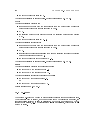
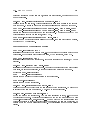
From equation (10.3), we form a minimization problem with the additional condition, that
at least one weight must be set to zero:
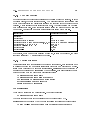
1 ÆW T H ÆW j E T ÆW + wij = 0
min
min
(10.4)
(ij )
ÆW
2
(ij )
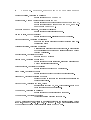
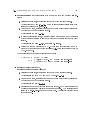
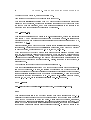
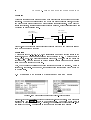
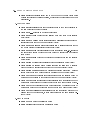
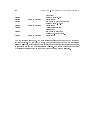
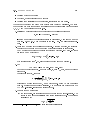
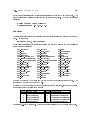
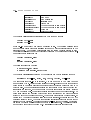
and deduce a Lagrangian from that:
1
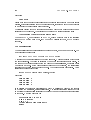
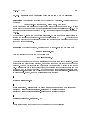
L = ÆW T H ÆW + (E(Tij ) ÆW + w(ij ) )
(10.5)
2
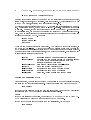
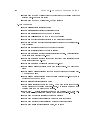
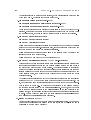
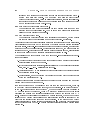
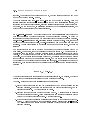
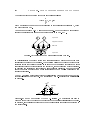
where is an Lagrangian multiplier. This leads to
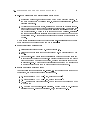
wij
ÆW =
H 1 E(ij)
(10.6)
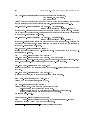
[H 1]
L(ij )
=
sij
(ij );(ij )
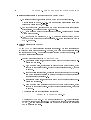
1 w(2ij)
2 [H 1 ](ij);(ij)
=
(10.7)
Note that the weights of all links are updated.
The problem is, that the inverse of the Hesse-Matrix has to be computed to deduce saliency
and weight change for every link. A sophisticated algorithm has been developed, but it is
still very slow and takes much memory, so that you will get in trouble for bigger problems.
10.2.4 Skeletonization
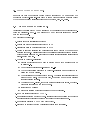
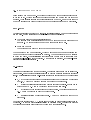
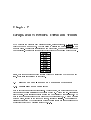
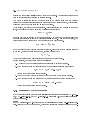
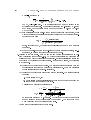
Skeletonization ([MM89]) prunes units by estimating the change of the error function
when the unit is removed (like OBS and OBD do for links). For each node, the attentional
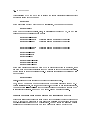
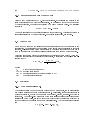
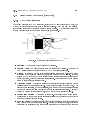
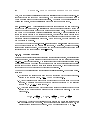
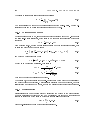
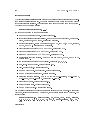
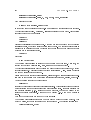
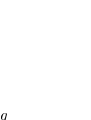
strength is introduced which leads to a dierent formula for the net input:
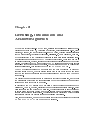
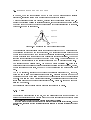
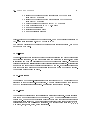
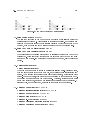
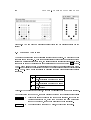
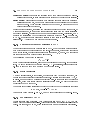
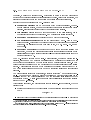
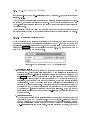
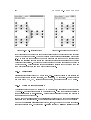
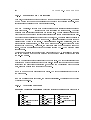
netj =
wij i oi
(10.8)
X
i
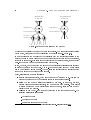
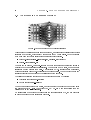
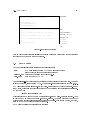
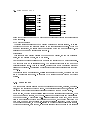
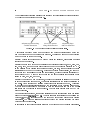
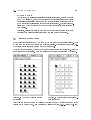
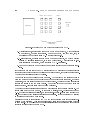
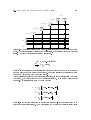
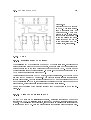
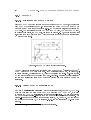
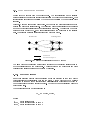
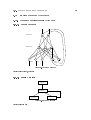
Figure 10.2 illustrates the use of the attentional strength.