1
Archival Management Software
85
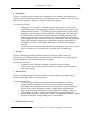
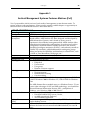
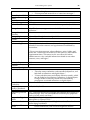
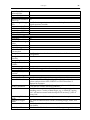
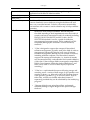
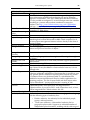
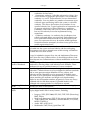
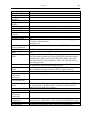
“CollectiveAccess is capable of converting non-Web-viewable
formats such as TIFF into Web-friendly formats (JPEG for example)
at various sizes. The original format can be retained and made
accessible for download. For small files, conversion and resizing may
be done in near real-time. For larger files, which can take a
considerable amount of time to process, conversion tasks can be
queued for later processing on a designated media-processing server.
Whatever the uploaded file size, cataloguers are never forced to wait
for long while media files are processed.
“Support for individual media types is implemented using a
modular plug-in architecture which makes it possible to add support
for new media formats without requiring modifications to the core
CollectiveAccess system.
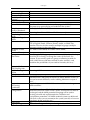
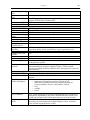
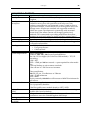
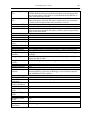
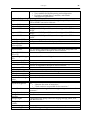
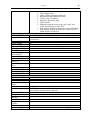
Internationalization
Flexibility of Data
Model
Item-level Description
Reorganize
Hierarchies
Dynamically Generate
EAD Finding Aids
Publish Finding Aids
Online
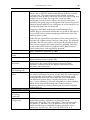
“Video files are automatically converted to Flash Video format for
playback with CollectiveAccess's built-in video player. The originally
uploaded video file is retained as well and can be played back if the
user's browser supports the format. Similarly, uploaded audio files
are converted to MP3 format for playback with CollectiveAccess's
built-in audio player, with original files retained.”
“Internationalized user interface with translations into German and
Dutch” planned for September 15, 2008.
Yes
Yes, well suited for item-level description. Interface for describing
objects include previews of media files.
Yes?: “Objects may be arranged into hierarchies using "is-a-part-of"
relationships. The search engine supports traversal of these
hierarchies. CollectiveAccess also supports hierarchical place
authorities and vocabularies.”
Not yet
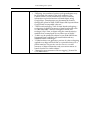
No: Seems to be focused more on museum objects (and lots) rather
than archival collections. However, it looks like EAD can be mapped
to existing fields and hierarchies. (A finding-aid interface can be
developed rather easily and is the subject of a just-started project
with Northeast Historic Films, a regional film archive in Maine
[http://www.oldfilm.org]. They are using PBCore as their metadata
scheme and to format their finding aids; CollectiveAccess is
supporting them in developing a finding aid presentation interface
for their Web site
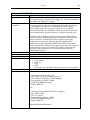
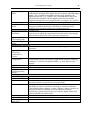
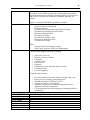
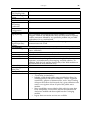
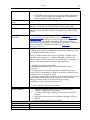
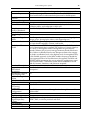
Administrative Functions
User Permissions
Yes
Support for
OAI-PMH support planned for September 15, 2008, release
Harvesting/
Syndication
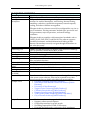
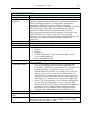
Customization/
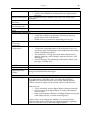
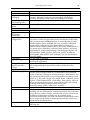
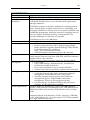
“In addition to the standard set of CollectiveAccess fields
Configuration
representing concepts applicable to anything that can be
catalogued—things like "accession number"—sets of custom fields
(also known as "attributes") may be defined. These sets can (and
usually should) map to established metadata standards such as
Dublin Core, Darwin Core, VRA Core 3.0, CDWA Lite, et al.