1
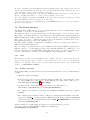
enddo
status = lcevtaddcollection(event,schcol ,’MyCalHits’)
status = lcwrtclose( writer )
...
Note that as in the C++ case we have to delete the event if we created it as described in 3.8.3.
3.9.5
Using a C++ RunEventProcessor class for LCIO files processing in Fortran
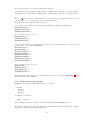
A RunEventProcessor class is added to the Fortran API. To use it a wrapper function lcrdreventprocessor is provided which has to be called as:
...
#include "lciof77api.inc"
integer
lcrdreventprocessor, status
character*30
filenamesin(3)
character*30
filenameout
PTRTYPE
writer, pv
common /outinfo/ writer
...
filenamesin(1) = ’simjob_f1.slcio’
filenamesin(2) = ’simjob_f2.slcio’
filenamesin(3) = ’simjob_f3.slcio’
filenameout
= ’recjob_f.slcio’
***
create writer, open output file
writer = lcwrtcreate()
status = lcwrtopen( writer, filenameout , LCIO_WRITE_NEW )
***
create a stringvector of input file names
pv = lcstringvectorcreate( filenamesin, 3, len (filenamesin(1))
***
create reader, open input file chain, start event loop
status = lcrdreventprocessor( pv )
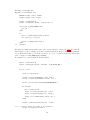
...
subroutine processrunheader ( pheader )
PTRTYPE pheader
***
some code if wanted, e.g.
status = lcdumprunheader ( pheader )
end
***
***
subroutine modifyrunheader ( pheader )
PTRTYPE pheader
some code if wanted
end
subroutine processevent ( pevent )
PTRTYPE pevent
some code if wanted
end
subroutine modifyevent ( pevent )
#include "lciof77api.inc"
PTRTYPE
pevent
PTRTYPE
writer
common /outinfo/ writer
21