1
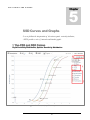
Foreword The lack and the difficulty of access to ecotoxicological data, as well as the complexity of the implementation of calculation and methods, make the use of the representativity of aquatic ecotoxicity indicators difficult. To overcome this issue, AiiDA provides the seventhy biggest worldwide aquatic ecotoxicity database (OPP, Fathead, Aquire, ECHA, CERC-USGS, EAT, OECD IUCLID). It provides more than 500 000 unique and referenced ecotoxicological tests on more than 8 000 species and 34 phyla. This global database is used to automatically calculate the different aquatic ecotoxicological indicators as well as their uncertainties according to the official Technical Guidance Document (TGD). AiiDA covers 22 000 molecules, including 13 500 with an ecological representativity of 3 phyla or more. The ecotoxicological indicators gathered in AiiDA are: HC50 (Hazardous Concentration 50%) calculated with the AMI (Assessment of Mean Impact) method, an outcome of Dr Jérôme Payet 2004 thesis. The risk assessment is calculated with the help of the Student table. This indicator is used by models such as USEtox to determine the characterisation factors of aquatic ecotoxicity within the frame of a LCA. HC5 and its confidence interval (Hazardous Concentration 5%) calculated with the Aldenberg method (2000) or the SSD (Species Sensitivity Distribution) extrapolation method of US-EPA (2005). PNEC (Predicted no-effect Concentration), calculated with the recommendations of the Technical Guidance Document on Risk Assessment (EU, 2003).This indicator is used within the risk assessment approach and within the legal frame. To learn more on the calculation methodology of indicators and risk assessment, we invite you to read the methodology guide of AiiDA which is available on the AiiDA internet platform and which lists the successive stages for creating data.