1
250
17.2.1.2
CHAPTER 17. EXTENDING WEKA
Examples
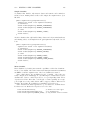
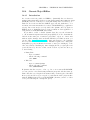
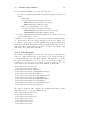
The following examples, covering batch and stream filters, illustrate the filter
framework and how to use it.
Unseeded random number generators like Math.random() should never be
used since they will produce different results in each run and repeatable experiments are essential in machine learning.
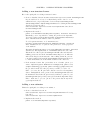
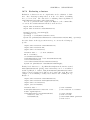
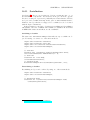
BatchFilter
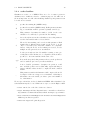
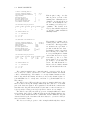
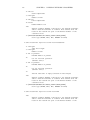
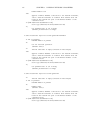
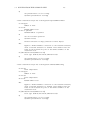
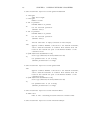
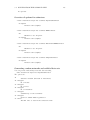
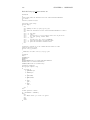
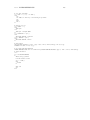
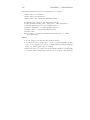
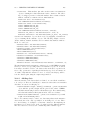
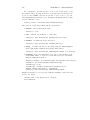
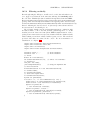
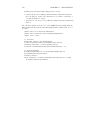
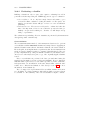
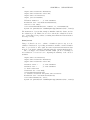
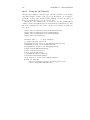
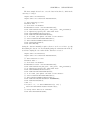
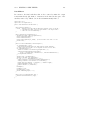
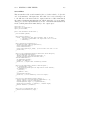
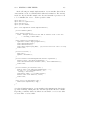
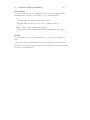
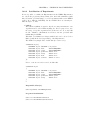
This simple batch filter adds a new attribute called blah at the end of the
dataset. The rows of this attribute contain only the row’s index in the data.
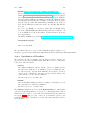
Since the batch-filter does not have to see all the data before creating the output
format, the setInputFormat(Instances) sets the output format and returns
true (indicating that the output format can be queried immediately). The
batchFinished() method performs the processing of all the data.
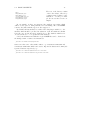
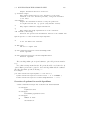
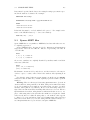
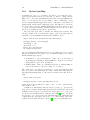
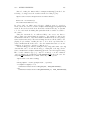
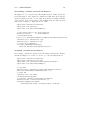
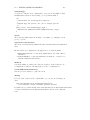
import weka.core.*;
import weka.core.Capabilities.*;
public class BatchFilter extends Filter {
public String globalInfo() {
return
"A batch filter that adds an additional attribute ’blah’ at the end "
+ "containing the index of the processed instance. The output format "
+ "can be collected immediately.";
}
public Capabilities getCapabilities() {
Capabilities result = super.getCapabilities();
result.enableAllAttributes();
result.enableAllClasses();
result.enable(Capability.NO_CLASS); // filter doesn’t need class to be set
return result;
}
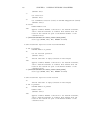
public boolean setInputFormat(Instances instanceInfo) throws Exception {
super.setInputFormat(instanceInfo);
Instances outFormat = new Instances(instanceInfo, 0);
outFormat.insertAttributeAt(new Attribute("blah"),
outFormat.numAttributes());
setOutputFormat(outFormat);
return true; // output format is immediately available
}
public boolean batchFinished() throws Exception {
if (getInputFormat() = null)
throw new NullPointerException("No input instance format defined");
Instances inst = getInputFormat();
Instances outFormat = getOutputFormat();
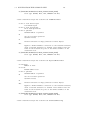
for (int i = 0; i < inst.numInstances(); i++) {
double[] newValues = new double[outFormat.numAttributes()];
double[] oldValues = inst.instance(i).toDoubleArray();
System.arraycopy(oldValues, 0, newValues, 0, oldValues.length);
newValues[newValues.length - 1] = i;
push(new Instance(1.0, newValues));
}
flushInput();
m_NewBatch = true;
m_FirstBatchDone = true;
return (numPendingOutput() != 0);
}
public static void main(String[] args) {
runFilter(new BatchFilter(), args);
}
}