1
Interno
13-06-2006
12:14
Pagina xxxv
Chapter 5
Hazard, Precautions and Limitations of Use
Pay special attention to the following:
•
Installation of the unit: proper ventilation, leveling of the
centrifuge, rigidity and stability of the support.
•
Rotor installation: verify that the rotor is locked in position before
use.
•
Cleaning of the accessories and of the rotor chamber is particularly
necessary when corrosive products are present in the samples
(saline, acids, bases).
•
Load balancing.
If any dangerous event occurs, keep yourself far away from the
instrument and switch off the main power source.
Speed Control
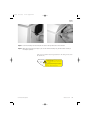
A view port located on the lid allows the measurement of the actual
speed by a phototachometer.
Once a year, check for correct r.p.m. readout and speed control setting
which should be within 100 r.p.m. of the actual.
Operational
Limitations
The CL31 centrifuge and its associated rotors offer a high level of RCF
performance. In some cases the maximum possible RCF will exceed the
one sustainable by the sample container.
The rotor RCF performance displayed is the maximum available in the
rotor pockets. Depending on the sample containers or on other
application needs, the maximum RCF which must be used is to be
determined by the operator.
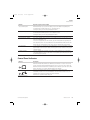
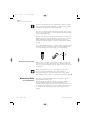
The centrifuge is not explosion proof.
Using this centrifuge with explosive samples is entirely at the user’s
own risk. Do not under any circumstances use the centrifuge in an
explosive environment. ▲
Aerosol Risks
Due to the action of the turbulence created in the bowl, a centrifuge is
an aerosol generator.
A ventilated centrifuge (like the CL31) exhausts, into the room, air
which has passed through its bowl. Thus the risk of the spread of
aerosols is significant in a ventilated centrifuge.
In the case of samples presenting a biological or chemical risk, the
operator must take suitable precautions to prevent or reduce this risk.
Thermo Electron Corporation
IEC CL31 - CL31R
5-2