1
Working Draft- All Hazard Receipt Facility Protocol
Guidance
Appendix F
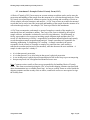
Universal Precautions for the Handling of Human Body Fluids
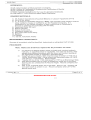
Universal precautions are:
- A concept of infection control that requires all human blood and some other potentially
infectious materials (OPIM) to be treated as if they are infectious with Human
Immunodeficiency Virus (HIV), Hepatitis B Virus (HBV), or other blood borne pathogens
(BBP) regardless of the perceived "low risk" of a patient or patient population.
- OSHA's accepted method of control to protect employees from exposure to all human blood
and OPIM.
Universal precautions require:
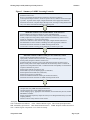
- Routine use of appropriate PPE (gloves, masks, protective eyewear, gowns, etc.)
- Immediate washing of hands and other skin surfaces if contaminated with blood or OPIM.
Hands must also be washed immediately after glove removal.
Occupationally exposed employees must use universal precautions and must handle all blood and
certain body fluids as infectious.
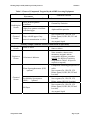
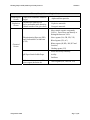
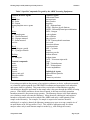
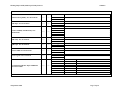
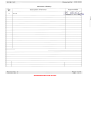
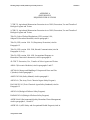
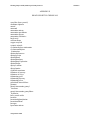
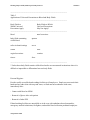
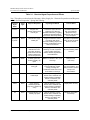
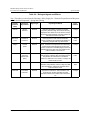
See table 3 for identified blood and other body fluids (referred to as OPIM) to which universal
precautions apply.
Universal precautions also apply to:
- All body fluids in situations where it is difficult or impossible to differentiate between body
fluid types.
- Any unfixed tissue or organ other than intact skin from a human (living or dead).
- HIV-containing cell or tissue cultures, organ cultures, and HIV- or HBV-containing cultures or
other solutions-as well as blood, organs, or other tissues-from experimental animals infected with
HIV or HBV.
22 September 2006