1
PowerSight can also measure the true RMS of DC and rectified
signals that are also connected while in this measurement mode.
It is generally recommended that you operate in one of the fixed
frequency modes whenever you can. One reason is that there is
the potential of slight errors in measuring the frequency of certain
waveforms. A slight error in frequency will add a slight error in the
measurement of all other variables. Another reason is, if you are
measuring small voltages or currents, they may not be large
enough for an accurate frequency measurement even though they
might be large enough for an accurate RMS measurement.
Although these situations are unusual, they can happen. For that
reason, we recommend one of the fixed frequency modes, when
practical.
The fixed frequency measurement mode is necessary when
measuring DC voltage or DC power. In a DC system, the
frequency is 0 Hz, which is clearly outside of the variable
frequency measurement range. By setting PowerSight in one of
the fixed frequency measurement modes, PowerSight no longer
measures the input frequency each second, it simply assumes the
frequency. This assumption of the time required to measure the
inputs allows for accurate readings in DC systems and systems in
which only higher harmonics are present (as with rectified
signals). It also allows accurate readings of AC and mixed AC/DC
signals (such as AC ripple on a DC voltage).
Changing the Frequency Measurement Mode in
PowerSight
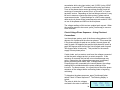
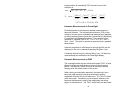
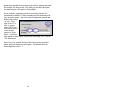
To determine which frequency measurement mode PowerSight is
in, simply press the [Measure Mode] key twice and read the
display. To change the frequency measurement mode from what
is displayed, press the [No/Reject] key and then press
[Yes/Accept] when the desired measurement mode is displayed.
The frequency measurement mode that you choose will stay in
effect until you change it. It will not be changed by turning
PowerSight off.
86