1
Advanced Rifle Marksmanship
Tracking
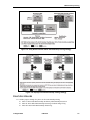
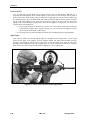
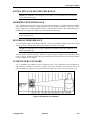
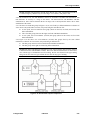
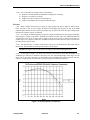
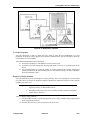
7-155. Tracking is a more accurate technique of engaging targets used by experienced firers. It involves
establishing and maintaining a point of aim in relationship to the target and moving with the target to
maintain that sight picture, while squeezing the trigger. As the target moves, this technique puts the firer in
position for a second shot if the first one misses.
Trapping
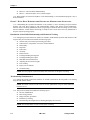
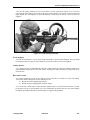
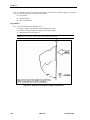
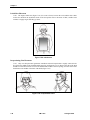
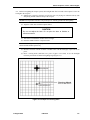
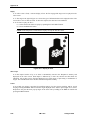
7-156. Trapping involves setting up a point of aim forward of the target and along the target path. The
trigger is squeezed as the target comes into the sights. This technique works on targets with slow lateral
movement. It does not require tracking skills, but the firer must know precisely when the weapon is going
to fire.
NOTE: Soldiers who can squeeze the trigger without reacting to the weapon firing may fire
better using this technique.
BREATH CONTROL
7-157. This fundamental is unchanged.
TRIGGER SQUEEZE
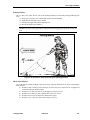
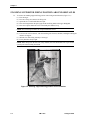
7-158. To use proper trigger squeeze—
z
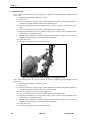
Apply rearward pressure on the handguard and pistol grip to hold the weapon steady while
applying pressure to the trigger.
z
Squeeze the trigger quickly (almost a controlled jerk).
z
Apply heavy pressure on the trigger (at least half of the pressure it takes to make the weapon
fire) before squeezing.
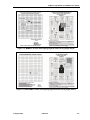
MOVING TARGET LIVE-FIRE EXERCISE
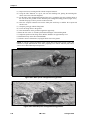
7-159. Soldiers engage in a firing scenario once for practice and then for qualification. Soldiers who fail
to qualify on the initial day of qualification receive only one refire on the same day.
SECTION VI. SHORT-RANGE MARKSMANSHIP TRAINING
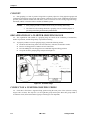
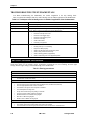
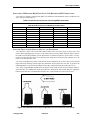
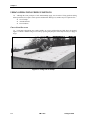
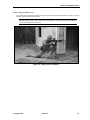
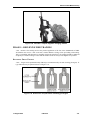
SRM training allows Soldiers to quickly and effectively engage targets at ranges less than 50 meters. Although
normally associated with UO, SRM techniques are also used during operations in restrictive terrain, such as
clearing a trench line, the final assault across an objective during an attack or raid, or when fighting in dense
vegetation or during periods of limited visibility. SRM instruction consists of four components:
z
Phase I—Reflexive Fire Training (blank-fire day and night).
z
Phase II—Target Discrimination (blank-fire day and night).
z
Phase III—Short-Range Marksmanship Qualification (day and night live-fire) and Barricade
Transition Qualification.
z
Phase IV—Shotgun and Automatic or Burst Firing Familiarization.
CONDUCT OF SHORT-RANGE MARKSMANSHIP TRAINING
7-160. SRM requires individual Soldiers to be trained to standard on reflexive firing, target
discrimination, and all necessary BRM fundamentals prior to semiannual qualification.
NOTE: An explanation of the base level proficiency requirements is provided with each course
of fire.
12 August 2008
FM 3-22.9
7-41