1
RK Series
Seating the Rolling Diaphragm
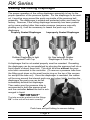
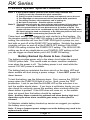
Air Gap between Rubber
Diaphragm & Push Cup
Rubber Diaphragm is tight
against Push Cup
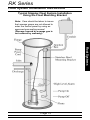
A diaphragm that is not seated properly must be reseated. Reseating
the diaphragm can be accomplished by plunging the pressure bell into a
liquid depth of about three feet. This must be done without the pressure tube connected to the controller. (To remove a pressure tube from
the fitting push down on the small center ring on the top of the connector and pull the tube out). Once the diaphragm is reseated, the rubber
will be snug around the internal push-cup and when lightly touching the
diaphragm the push-cup can be felt
immediately behind the diaphragm.
Then make sure the pressure tube is
reconnected to both the pressure bell
and the controller before the bell is submerged in liquid.
*IMPORTANT*
The tube must be pushed into the fittings
5/8” or the unit will not work correctly!
Push here and pull tubing to remove tubing
Page 9
Pressure Systems
The proper operation of the rolling diaphragm assembly is key for the
proper operation of the pressure system. For the diaphragm to be seated, it must be snug around the push-cup inside of the pressure bell
assembly. The diaphragm is seated and protected when sent from the
factory. However, if the rolling diaphragm assembly has been pushed
up by some method other than water pressure (someone manually
pushing on it), it will be necessary to reseat the push cup in the
diaphragm.
Properly Seated Diaphragm
Improperly Seated Diaphragm