1
48 / Best Kept Secrets of Peer Code Review
They explored a way to address this problem in the second experiment. The reviewers were given a reading plan that directed their
attention to the code in a certain order and supplied additional
information according to a systematic set of rules. The rules were a
rough attempt at pulling in related code given the code under review.
The theory was that, if this technique was better, one could conceivably make a tool to collect the information automatically. This
“systematic review” was performed by 64 reviewers and the results
compared with those from the first study.
The systematic review was better. Some defects that weren’t
found by anyone in the first test were found in the second. Furthermore, both reviewers and the creators of the reading plan reported
that they enjoyed creating and having the plan because it led to a
deeper understanding of the code at hand. Indeed, the plans could be
used as documentation for the code even outside the context of a
code review. Reviewers also reported feeling more comfortable
having a strict reading plan rather than having to wade through a
complex change and “wander off” into the rest of the system.
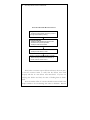
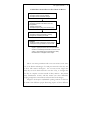
In the third experiment, the researchers compared three different
approaches to the review problem in a further attempt to identify
what techniques work best in the OO context:
1. The “checklist review” gives the reviewers a specific list
of things to check for at the class, method, and classhierarchy levels. The checklist was built using the experience of the first two experiments as a guide for what
types of problems reviewers should be looking for.
2. The “systematic review” technique of the second experiment, with more refinement.
3. The “use-case review” gives the reviewers a set of ways
in which one would expect the code to be used by other
code in the system. This is a kind of checklist that the
code behaves in documented ways, “plays nice” when