1
7.4
Inline Asm
148
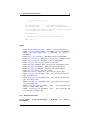
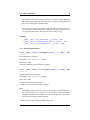
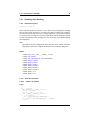
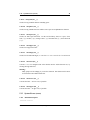
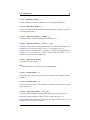
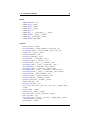
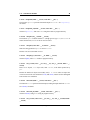
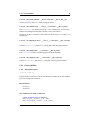
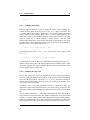
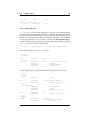
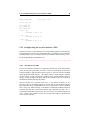
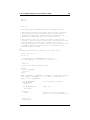
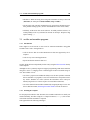
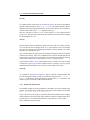
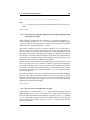
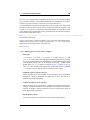
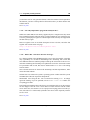
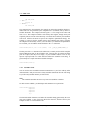
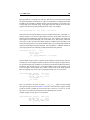
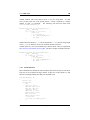
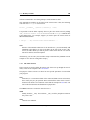
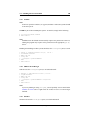
Another problem with reused macros arises if you are using labels. In such
cases you may make use of the special pattern =, which is replaced by a unique
number on each asm statement.
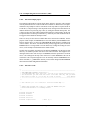
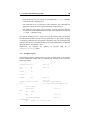
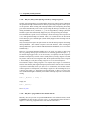
The following code had been taken from
avr/include/iomacros.h:
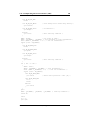
#define loop_until_bit_is_clear(port,bit) \
__asm__ __volatile__ (
\
"L_%=: " "sbic %0, %1" "\n\t"
\
"rjmp L_%="
\
: /* no outputs */
\
: "I" (_SFR_IO_ADDR(port)),
"I" (bit)
\
)
\
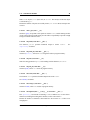
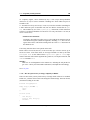
When used for the first time, L_%= may be translated to L_1404, the next usage might
create L_1405 or whatever. In any case, the labels became unique too.
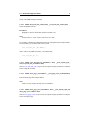
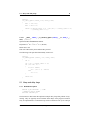
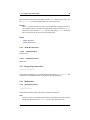
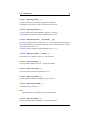
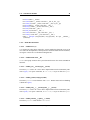
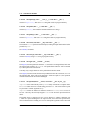
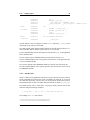
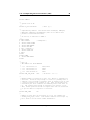
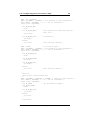
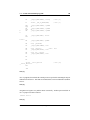
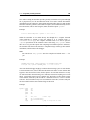
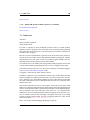
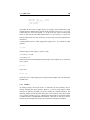
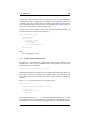
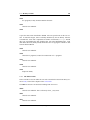
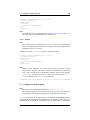
Another option is to use Unix-assembler style numeric labels. They are explained in
How do I trace an assembler file in avr-gdb?. The above example would then look like:
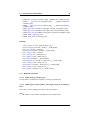
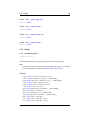
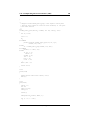
#define loop_until_bit_is_clear(port,bit) \
__asm__ __volatile__ (
\
"1: " "sbic %0, %1" "\n\t"
\
"rjmp 1b"
\
: /* no outputs */
\
: "I" (_SFR_IO_ADDR(port)),
"I" (bit)
\
)
7.4.6
\
C Stub Functions
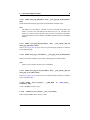
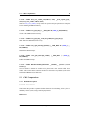
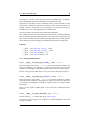
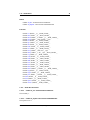
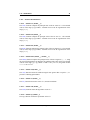
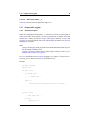
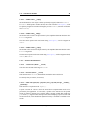
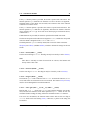
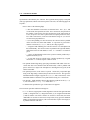
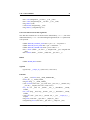
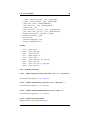
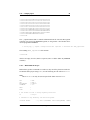
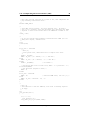
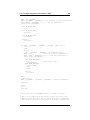
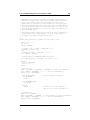
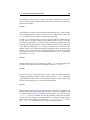
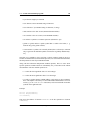
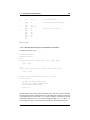
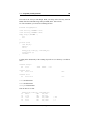
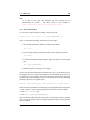
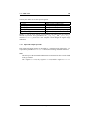
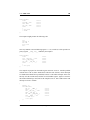
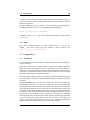
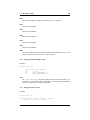
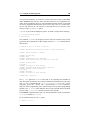
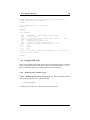
Macro definitions will include the same assembler code whenever they are referenced.
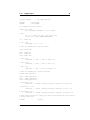
This may not be acceptable for larger routines. In this case you may define a C stub
function, containing nothing other than your assembler code.
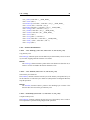
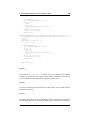
void delay(uint8_t ms)
{
uint16_t cnt;
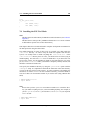
asm volatile (
"\n"
"L_dl1%=:" "\n\t"
"mov %A0, %A2" "\n\t"
"mov %B0, %B2" "\n"
"L_dl2%=:" "\n\t"
"sbiw %A0, 1" "\n\t"
"brne L_dl2%=" "\n\t"
"dec %1" "\n\t"
"brne L_dl1%=" "\n\t"
: "=&w" (cnt)
: "r" (ms), "r" (delay_count)
);
}
Generated on Tue Feb 15 16:09:56 2005 for avr-libc by Doxygen