1
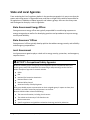
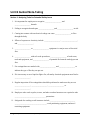
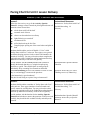
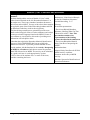
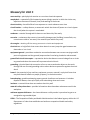
The impact from employee substance abuse extends beyond the individual employee. Drugs and
alcohol can impair a worker’s JUDGMENT AND COORDINATION, which can lead to AN
INCREASED RISK OF ACCIDENTS AND INJURIES.
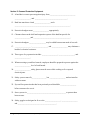
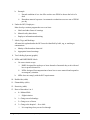
Companies have a responsibility to ensure SAFE, RELIABLE, AND EFFICIENT operations within the
communities they serve. Through EDUCATIONAL OUTREACH ACTIVITIES through schools or
other public community venues, companies can provide invaluable safety, prevention, and
preparedness information.
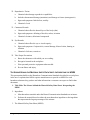
An EMERGENCY RESPONSE PLAN provides direction in the event of an emergency.
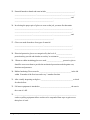
All employees should be committed to working in compliance with all applicable
ENVIRONMENTAL, HEALTH, AND SAFETY RULES and established OPERATING PROCEDURES.
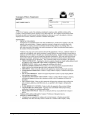
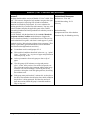
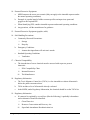
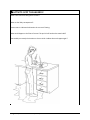
The first step in creating a safe workplace by minimizing workplace hazards is to perform a
thorough HAZARD ASSESSMENT.
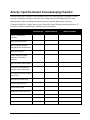
INSPECTION CHECKLISTS are the most commonly used method of hazard identification.
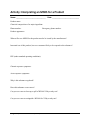
JOB BRIEFINGS promote a healthy and safe work environment through coordination and
communication of employees’ responsibilities.
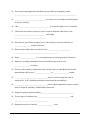
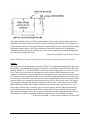
ELECTRICAL SHOCK occurs when a person’s body completes the current path between two
energized conductors of an electrical circuit or between an energized conductor and a grounded
surface or object.
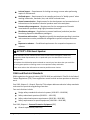
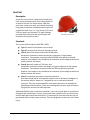
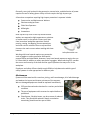
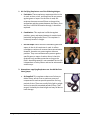
PERSONAL PROTECTIVE EQUIPMENT (PPE) refers to items worn by a worker to provide
protection from hazards.
Employees should be trained in and utilize good ergonomics and body mechanics, such as safe
lifting procedures, in completing all duties to prevent MUSCULOSKELETAL DISORDERS AND
CUMULATIVE STRESS TRAUMA.
Special safety protocols must be followed when working in CONFINED SPACES such as manholes
or vaults.
For employees working on structures such as poles, towers or other equipment that supports
overhead generation, transmission, and distribution lines and equipment, OSHA requires FALL
PROTECTION precautions.
Employers must establish a written, comprehensive HAZARD COMMUNICATION program that
includes requirements for container labeling, material safety data sheets, and appropriate training
opportunities.
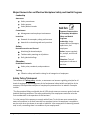
HAZARDOUS ENERGY control programs are created to protect employees from the risks of
powerful electrical energy associated with work performed on systems utilized in the energy and
utilities industries.
Energy Industry Fundamentals — Module 2 (Ver. 1.2)
120