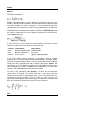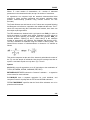
1
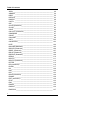
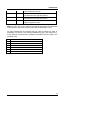
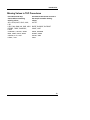
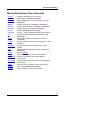
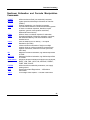
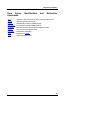
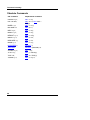
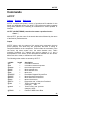
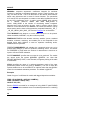
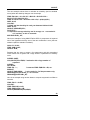
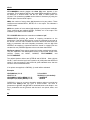
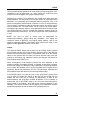
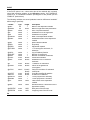
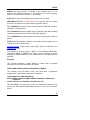
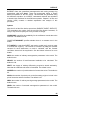
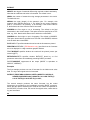
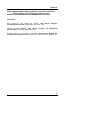
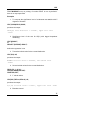
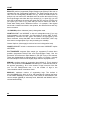
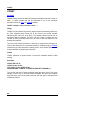
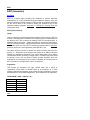
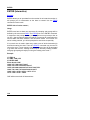
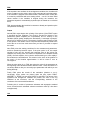
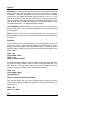
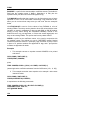
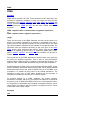
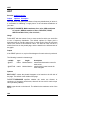
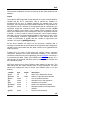
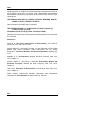
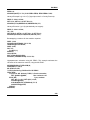
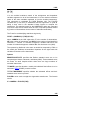
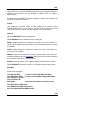
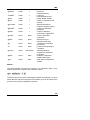
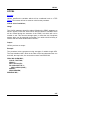
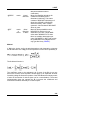
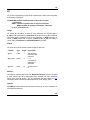
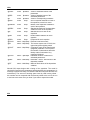
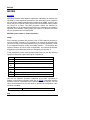
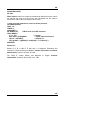
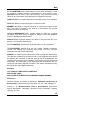
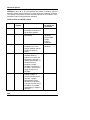
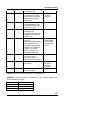
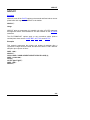
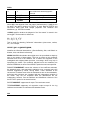
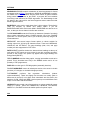
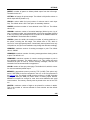
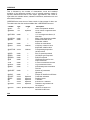
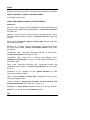
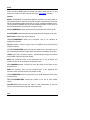
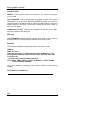
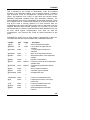
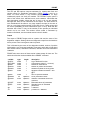
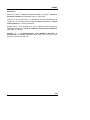
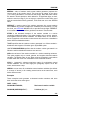
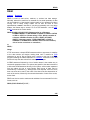
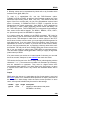
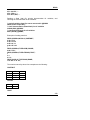
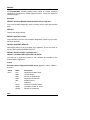
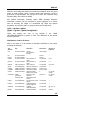
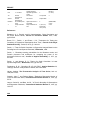
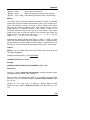
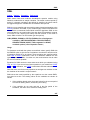
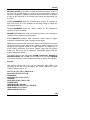
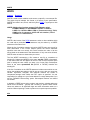
LSQ
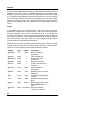
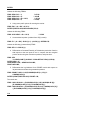
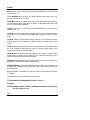
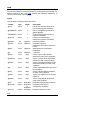
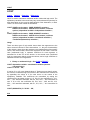
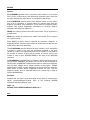
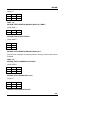
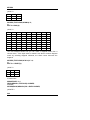
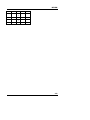
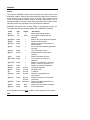
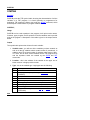
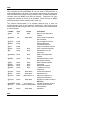
@COEF
vector
#params
@SES
vector
#params
@T
@SSR
vector
vector
#params
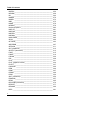
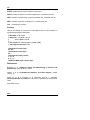
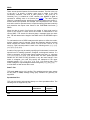
#eqs
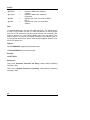
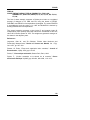
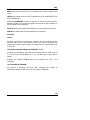
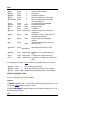
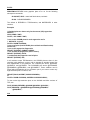
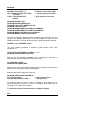
@YMEAN
vector
#eqs
@SDEV
vector
#eqs
@S
vector
#eqs
@DW
vector
#eqs
@RSQ
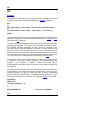
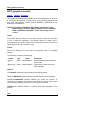
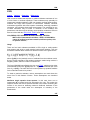
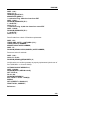
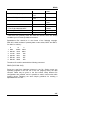
@COVU
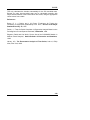
@W
vector
#eqs
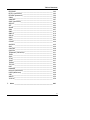
matrix #eqs*#eqs
matrix #eqs*#eqs
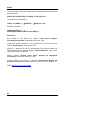
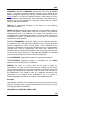
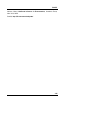
@COVT
matrix #eqs*#eqs
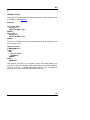
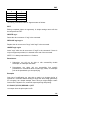
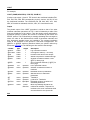
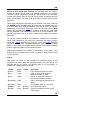
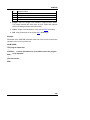
@VCOV
matrix
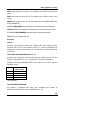
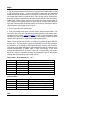
@RES
matrix #obs*#eqs
@FIT
matrix #obs*#eqs
#par*#par
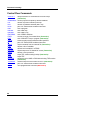
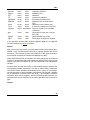
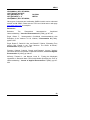
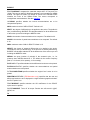
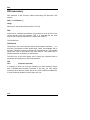
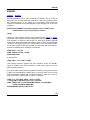
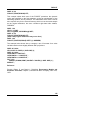
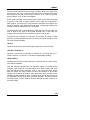
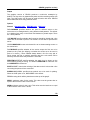
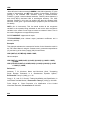
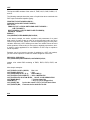
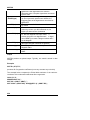
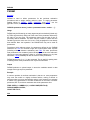
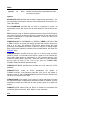
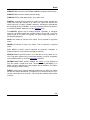
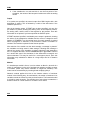
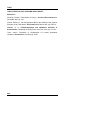
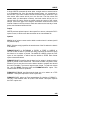
Vector of estimated values of the
parameters
Vector of standard errors of the
estimated parameters
Vector of corresponding t-statistics
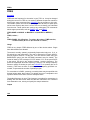
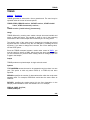
Sum of squared residuals for each of
the equations, stored in a vector
Means of the dependent variable for
each of the equations
Standard deviations of the dependent
variable for each of the equations.
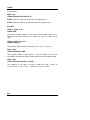
Standard errors for each of the
equations
Durbin-Watson statistics for each
equation
R-squared for each equation
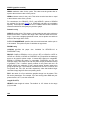
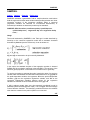
Residual covariance matrix
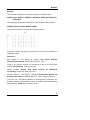
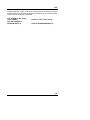
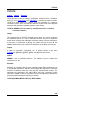
The inverse square root of COVU, the
upper triangular weighting matrix
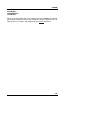
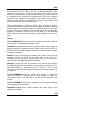
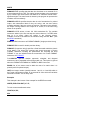
Covariance matrix of the transformed
(weighted) residuals. This is equal to
the number of observations times the
identity matrix if estimation is by
maximum likelihood
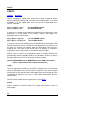
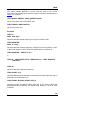
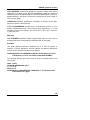
Estimated variance-covariance of
estimated parameters.
Residuals = actual - fitted values of the
dependent variable.
Matrix of fitted values of the dependent
variables
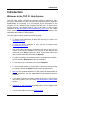
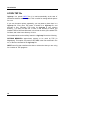
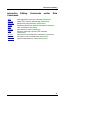
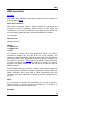
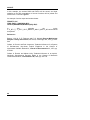
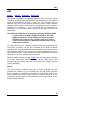
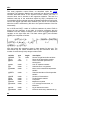
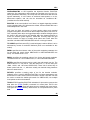
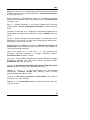
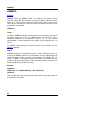
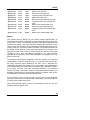
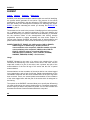
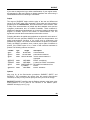
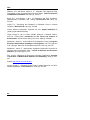
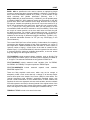
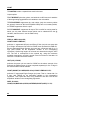
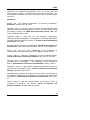
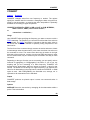
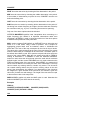
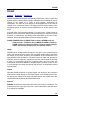
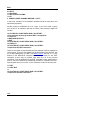
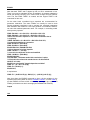
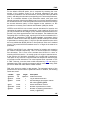
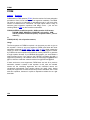
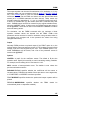
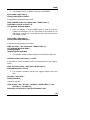
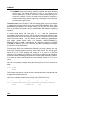
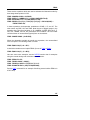
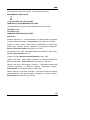
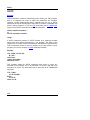
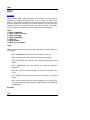
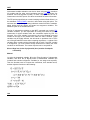
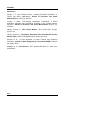
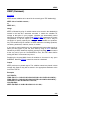
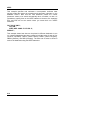
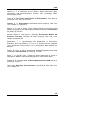
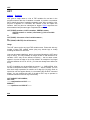
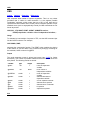
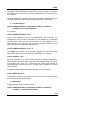
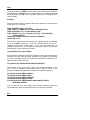
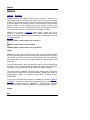
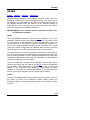
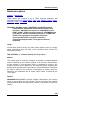
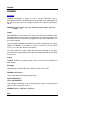
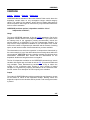
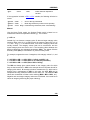
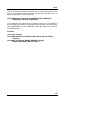
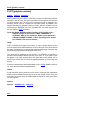
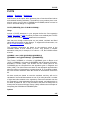
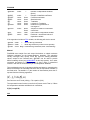
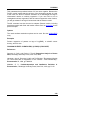
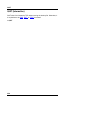
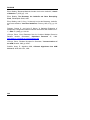
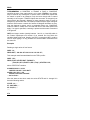
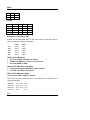
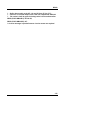
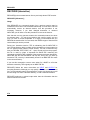
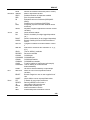
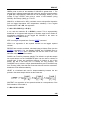
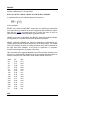
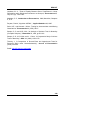
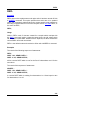
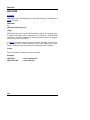
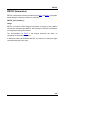
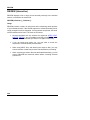
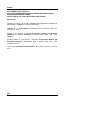
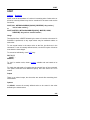
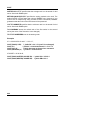
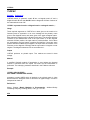
Normal LSQ output begins with a listing of the equations. The model is
checked for linearity in the parameters (which simplifies the computations). A
message is printed if linearity is found and LSQ does not iterate because it is
unnecessary. The amount of working space used by LSQ is also printed this number can be compared with the amount printed at the end of the run
to see how much extra room you have if you wish to expand the model.
250