1
User’s Manual
VLT-MAN-ESO-14200-2761
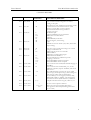
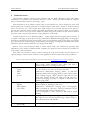
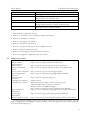
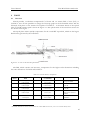
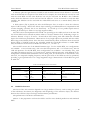
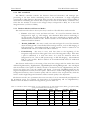
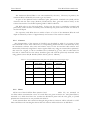
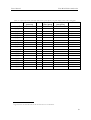
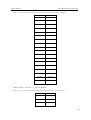
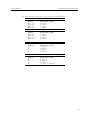
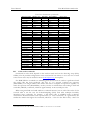
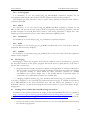
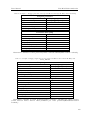
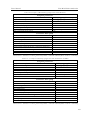
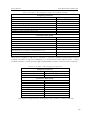
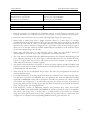
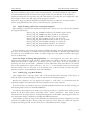
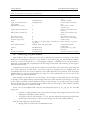
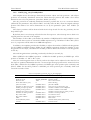
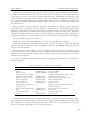
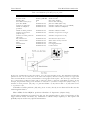
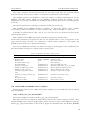
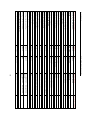
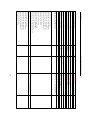
Table 7-18: Parameters of NACO_spec_obs_AutoNodOnSlit
P2PP Label
DIT
NDIT
Readout mode
Jitter Box Width
Number of AB or BA cycles
NEXPO per offset position
Nod Throw
Return to Origin? (T/F)
Slit
Spectroscopic Mode
7.6.1
Default Values
NODEFAULT
NODEFAULT
FowlerNsamp
NODEFAULT
NODEFAULT
1
NODEFAULT
T
NODEFAULT
NODEFAULT
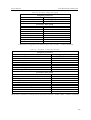
Description
Detector Integration Time (sec)
Number of DITs
Readout mode
Jitter Box Width
One cycle is one object-sky pair
Number of exposures per offset position
Nod Throw in arcsec
Return to Origin
Name of slit
Spectroscopic Mode
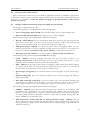
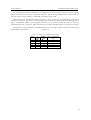
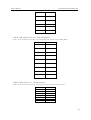
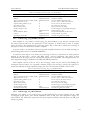
NACO_app_spec_obs_AutoNodOnSlit
Exactly the same as NACO_spec_obs_AutoNodOnSlit but allowing the APP insertion with
limited setups (see 5.5.2). VM only, telluric standard star OBs will have to be provided by the users
using this same template (P87 Calibration Plan and onwards). Allowed spectroscopic setups are:
L54_2_LP, L54_2_SL, L27_1_LP, and L54_1_LP.
7.6.2
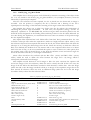
NACO_spec_obs_GenericOffset
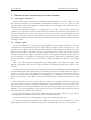
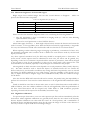
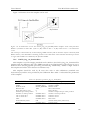
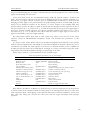
This template is used for spectroscopy and has the flexibility of programming any sequence of
telescope offsets. It is essentially intended for programs requiring large offsets (off the slit), or slit
scanning across one object.
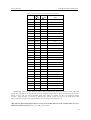
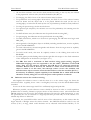
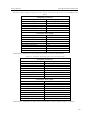
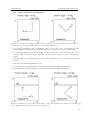
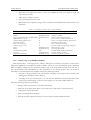
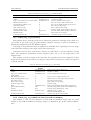
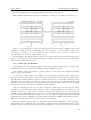
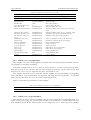
Telescope offsets are defined as lists with the “List of offsets in RA or X” and “List of offsets in
DEC or Y” parameters. Telescope offsets are relative, defined either along detector lines (X) and
columns (Y) or RA and DEC, and are in arcsec. Offsets in X are along the slit, offsets in Y are
perpendicular to the slit.
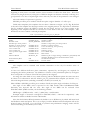
Additionally, the observation type can be defined for each image, and is entered as a list in the
parameter “Observation Type (O or S).” O stands for Object and assigns the DPR TYPE header
keyword to OBJECT. S stands for Sky and assigns the DPR TYPE header keyword to SKY. The
loop is closed for the former and open for the latter.
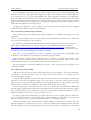
With large combined offsets, the guide probe may not be able to follow the same guide star. In
such a case, the guiding system will automatically find another star, but not resume guiding. A pop
up window will instruct the operator to resume guiding. If the guide star has changed during an
offset, the accuracy of the offset will be poorer than it would have been if the same guide star had
been used. This will only occur when offsetting from object to sky. On the return offset, the loop
will close and the field selector in NAOS will make sure that the object remains centred in the slit
even though the guide star has changed.
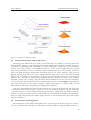
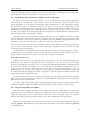
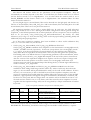
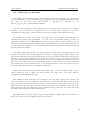
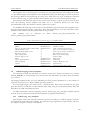
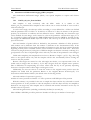
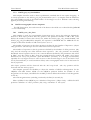
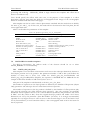
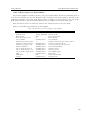
The total number of offset positions is defined in the parameter “Number of offset positions”
This number can be different from the number of elements in the aforementioned lists. Lists do
not need to have the same length. If the number of exposures is larger than the number of elements
in a list, the list is restarted from the beginning as many times as needed until the correct number of
frames have been acquired.
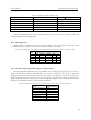
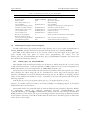
The lists can have any length. However, having lists of different lengths can become extremely
confusing. It is good practice to use lists of equal length or lists with only one value when one
parameter remains constant.
130