1
3
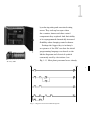
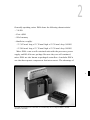
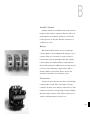
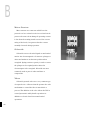
machine status, the front panel of a micro PLC has a series of indicator
lights. These are for such things as power, run, faults or I/O status. To
communicate with the PLC — to enter data or monitor and control
machine status — traditional operator interfaces include pushbuttons,
thumbwheel switches, pilot lights and LED numeric displays.
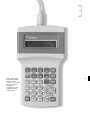
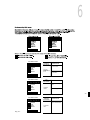
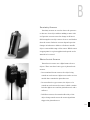
To improve the interface between the operator and the micro PLC,
a new generation of electronic operator interface devices (or
peripherals) can be connected. These are not programming devices,
but graphic or alphanumeric displays and control panels that
consolidate all the functions of traditional operator interface devices
into a single panel.
These interfaces can output data and display messages about
machine status in descriptive text (“Motor 1 On”), display parts count,
and track alarms. They can also be used for data input. By providing
better and more easily conveyed information, these interfaces decrease
the need for operator training on machine operation and reduce
system, component, and installation costs.
These products communicate with the PLC through an RS 232
communications port. This opens up I/O points, which can be used for
sensors and output devices and enables a micro PLC to control a more
complex machine or process.
31