1
8.3. Plagioclase albitization
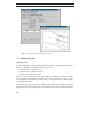
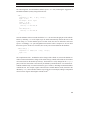
variable. This reaction is included in CHESS as if it was a titration reaction. Hence, in the
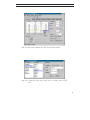
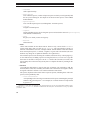
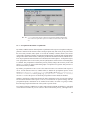
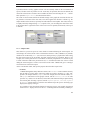
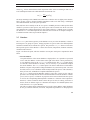
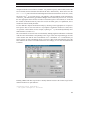
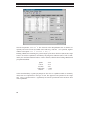
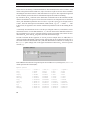
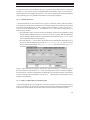
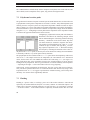
Reactions panel, click on titrate and select item time from the variables context. Note
that the start value of a reaction with time is always 02 . Select an end-value of 20 minutes. The
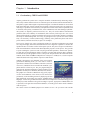
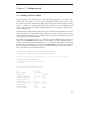
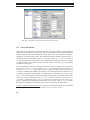
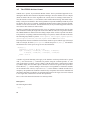
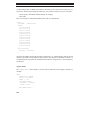
output selection is time in minutes, the aqueous fraction calcium and the saturation index of
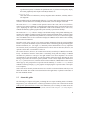
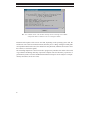
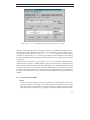
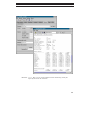
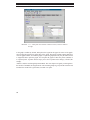
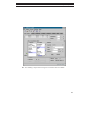
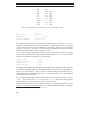
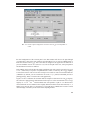
calcite as illustrated here :
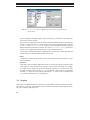
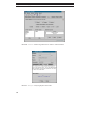
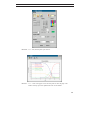
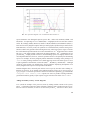
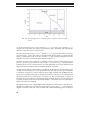
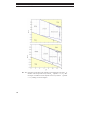
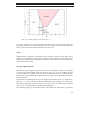
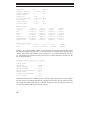
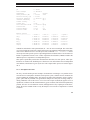
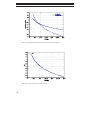
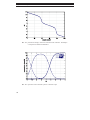
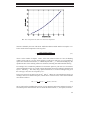
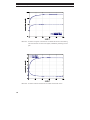
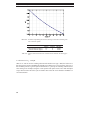
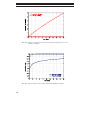
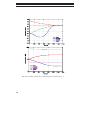
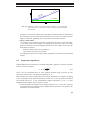
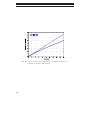
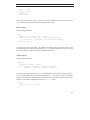
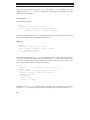
The results of the simulation are displayed in Figures 8.2 and 8.3. In buffered conditions, the Carelease rate remains approximately constant during the reaction. In a closed, unbuffered system,
however, the reaction stops (no dissolution) after a few minutes, due to the rapid increase of pH
which reaches a value close to 10. Accordingly, the solution approaches equilibrium with respect
to calcite (Ω = 1, a saturation index of 0) which stops the dissolution reaction.
8.3 Plagioclase albitization
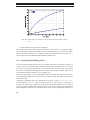
The following example shows another application of precipitation- and dissolution kinetics. We
propose to study the geochemical processes of sandstone diagenesis in contact with saline fluids
for a medium temperature range. The transformation reaction is written as follows :
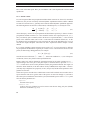
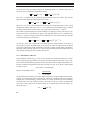
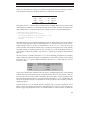
Anorthite + 2 Quartz + 0.5 H2O + Na+ + H+ → Albite + 0.5 Kaolinite+ Ca2+ ,
which is also known as the process of plagioclase albitization.
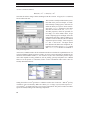
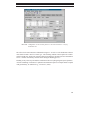
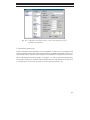
Here we are interested in the kinetically controlled minerals only, hence we propose to simplify
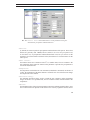
the system considerably : exclusion of all minerals and colloids (added to the exclude list of the
Database panel), except for Albite, Anorthite, Kaolinite and Quartz (added to the include list).
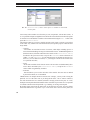
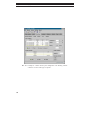
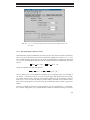
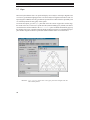
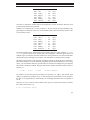
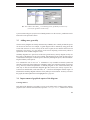
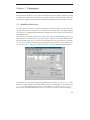
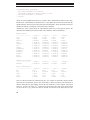
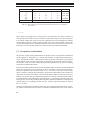
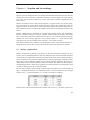
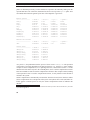
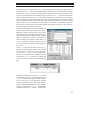
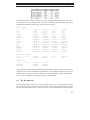
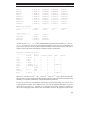
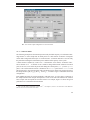
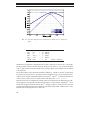
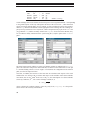
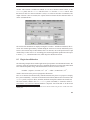
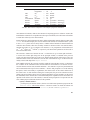
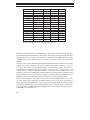
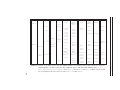
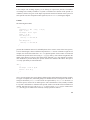
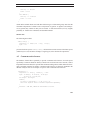
The main solution, added to the Main solution panel of JCHESS, is resumed in table 8.1.
Note that the concentration of mineral kaolinite is imposed : this means that we fix the actual
2 It is nevertheless possible to set a pre-equilibration time of the main solution using the ’time’ variable in the mainsolution panel.
85