1
INTRODUCTION AND BACKGROUND FACTS
NAVA delivers assist in proportion to and in synchrony with the
patient’s respiratory efforts. These efforts are reflected by the Edi
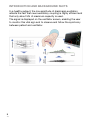
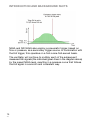
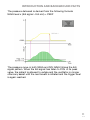
signal, which represents the electrical activity of the diaphragm, the
body’s principal breathing muscle. Understanding the Edi signal and
its use in NAVA and NIV NAVA is essential to successful ventilation
using these modes.
Physiology of the Edi signal
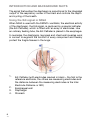
During normal respiration, a spontaneous breath starts with an
impulse generated by the respiratory center in the brain. This impulse
is then transmitted via the phrenic nerves and electrically activates
the diaphragm (excitation), leading to a muscle contraction. The
diaphragm contracts into the abdominal cavity, which leads to a
descending movement, creating a negative alveolar pressure and
an inflow of air.
Muscular contraction of the diaphragm is always preceded by an
electrical impulse and this electrical activation is controlled by nerve
stimuli, and ultimately by the respiratory center in the brain.
5
1.2