1
21
GR-RTEMS-DRIVER
1553 B standard, both buses enabled, and broadcasts enabled. The operating mode and settings
can be changed with ioctl calls as described later.
3.2.1
Driver registration
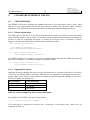
The registration of the driver is crucial for threads and processes to be able to access the driver
using standard means, such as open. The function brm_register whose prototype is provided in
brm.h is used for registering the driver. It returns 0 on success and 1 on failure. A typical
register call from a LEON3 Init task:
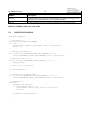
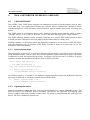
if ( brm_register(&amba_conf,2,0,3) )
printf(“BRM register Failed\n”);
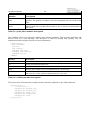
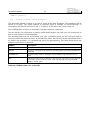
The first argument is a pointer to the AMBA bus, the rest of the parameters are used to control
the clocking of the BRM device. See table below for a description.
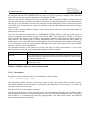
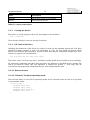
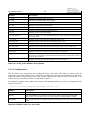
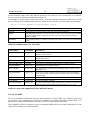
Arg No
Arg Name
Description
1
bus
pointer to a scanned AMBA bus, always &amba_conf.
2
clksel
Selects clock source (input value to the clock MUX)
3
clkdiv
Selects clock prescaler, may not be available for all clock sources
4
brm_freq
The input clock frequency to the BRM core. 0 = 12MHz, 1 = 16MHz, 2=
20MHz, 3 = 24MHz.
Table 13: brm_register argument description
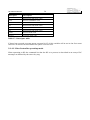
During the registration process all BRM devices in the system will be registered as indicated in
table 14. The registration function is called once.
3.2.2
Opening the device
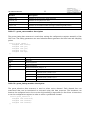
Opening the device enables the user to access the hardware of a certain BRM device. The driver
is used for all BRM devices available. The devices is separated by assigning each device a unique
name and a number called minor. The name is passed during the opening of the driver. The first
3 names are printed out:
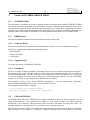
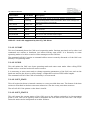
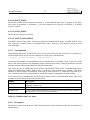
Device number
Filesystem name
0
/dev/brm0
1
/dev/brm1
2
/dev/brm2
Table 14: Device number to device name conversion.
An example of an RTEMS open call is shown below.
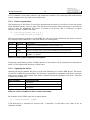
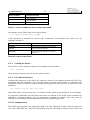
fd = open("/dev/brm0", O_RDWR)
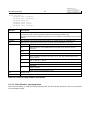
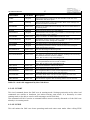
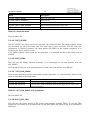
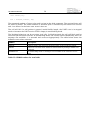
A file descriptor is returned on success and -1 otherwise. In the latter case errno is set as
indicated in table .