1
EXTENDING THE Abaqus SCRIPTING INTERFACE
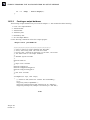
5.6.7
Registered dictionaries
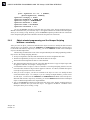
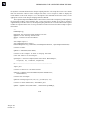
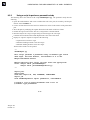
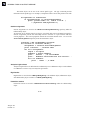
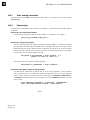
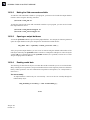
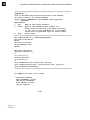
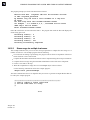
You use the RegisteredDictionary class to create a dictionary that can be queried from the GUI.
In addition, the infrastructure can notify the GUI when the contents of the dictionary change. The key of
a registered dictionary must be either a String or an Int. The values associated with a key must all be of
the same type—all integers or all strings, for example—to prevent errors when accessing them from the
GUI. The RegisteredDictionary class has the same methods as a Python dictionary. In addition,
the RegisteredDictionary class has a changeKey method that you use to rename a key in the
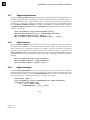
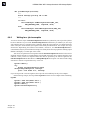
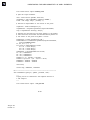
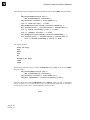
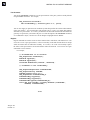
dictionary. For example,
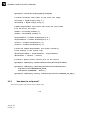
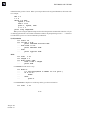
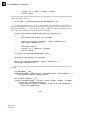
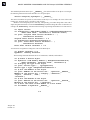
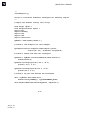
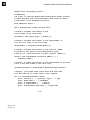
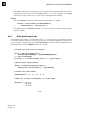
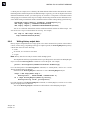
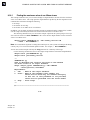
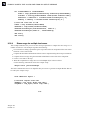
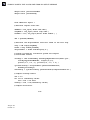
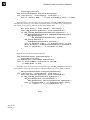
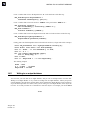
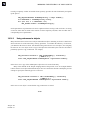
from customKernel import RegisteredDictionary
mdb.customData.myDictionary = RegisteredDictionary()
mdb.customData.myDictionary['Key-1'] = 1
mdb.customData.myDictionary.changeKey('Key-1', 'Key-2')
5.6.8
Registered lists
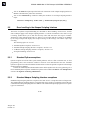
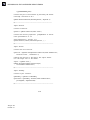
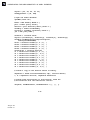
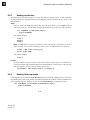
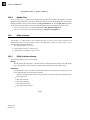
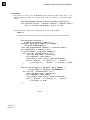
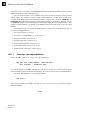
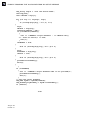
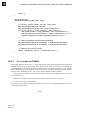
You use the RegisteredList class to create a list that can be queried from the GUI. In addition,
the infrastructure can notify the GUI when the contents of the list change. The values in the list must
all be of the same type—all integers or all strings, for example—to prevent errors when accessing them
from the GUI. The values must all be of the same type; for example, all integers or all strings. The
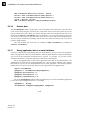
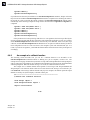
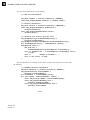
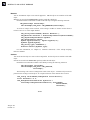
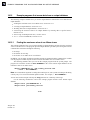
RegisteredList has the same methods as a Python list. For example, appending Item-1 to the list
in the following statements causes the infrastructure to notify the GUI that the contents of the list have
changed:
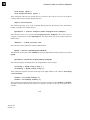
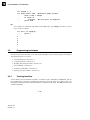
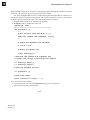
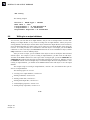
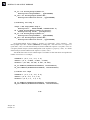
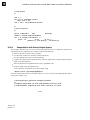
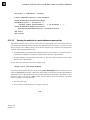
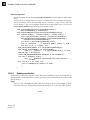
from customKernel import RegisteredList
mdb.customData.myList = RegisteredList()
mdb.customData.myList.append('Item-1')
5.6.9
Registered tuples
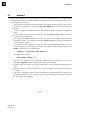
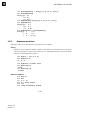
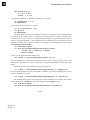
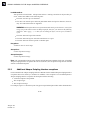
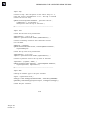
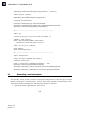
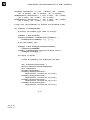
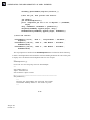
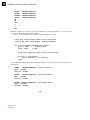
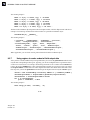
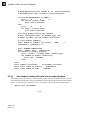
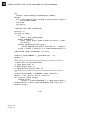
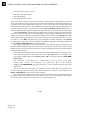
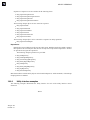
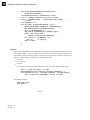
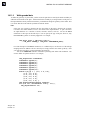
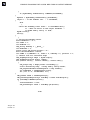
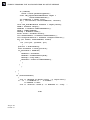
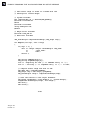
You use the RegisteredTuple class to create a tuple that can be queried from the GUI. In addition,
the infrastructure can notify the GUI when the contents of any of the members of the tuple change. The
members in the tuple must derive from the CommandRegister class, and the values in the tuple must
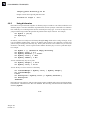
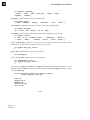
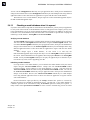
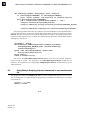
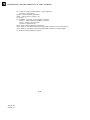
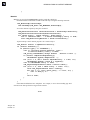
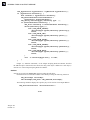
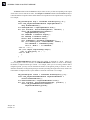
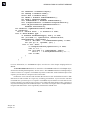
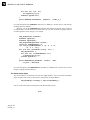
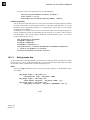
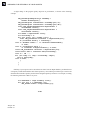
all be of the same type; for example, all integers or all strings. For example,
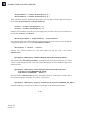
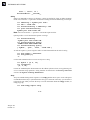
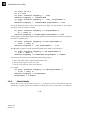
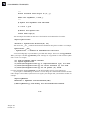
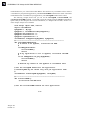
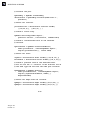
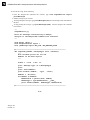
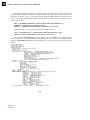
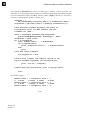
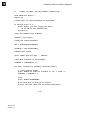
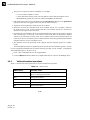
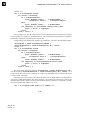
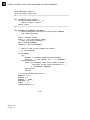
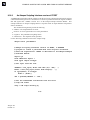
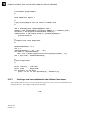
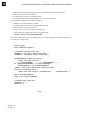
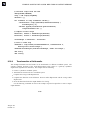
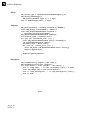
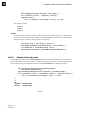
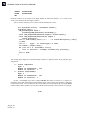
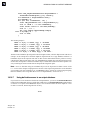
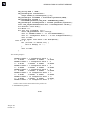
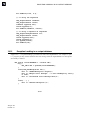
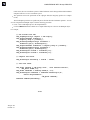
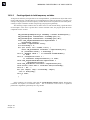
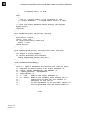
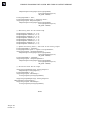
from abaqus import *
from customKernel import CommandRegister, RegisteredTuple
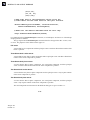
class Block(CommandRegister):
def __init__(self, name):
CommandRegister.__init__(self)
5–21
Abaqus ID:
Printed on: