1
Alspa P8–25/35/05 Instruction Set
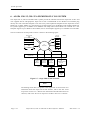
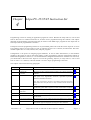
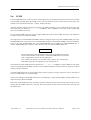
6. DATA MOVE FUNCTIONS
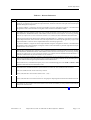
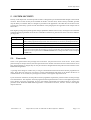
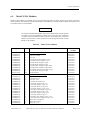
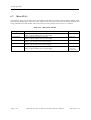
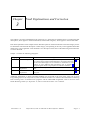
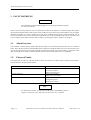
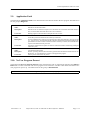
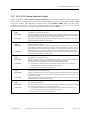
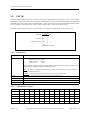
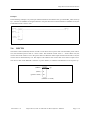
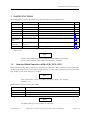
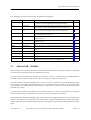
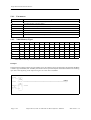
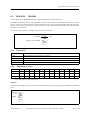
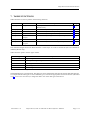
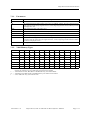
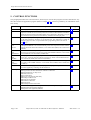
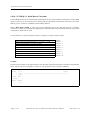
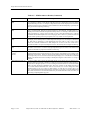
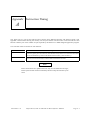
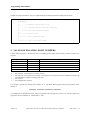
Data move functions provide basic data move capabilities. This paragraph describes the following data move
functions:
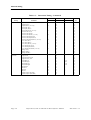
Abbreviation
Function
Description
Page
MOVE
Move
Copy data as individual bits. The maximum length allowed is 256
words, except MOVE_BIT is 256 bits. Data can be moved into a
different data type without prior conversion.
4–60
BLKMOV
Block Move
Copy a block of seven constants to a specified memory location. The
constants are input as part of the function.
4–63
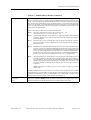
BLKCLR
Block Clear
Replace the content of a block of data with all zeros. This function can
be used to clear an area of bit (%I, %Q, %M, %G, or %T) or word (%R,
%AI, or %AQ) memory. The maximum length allowed is 256 words.
4–65
SHFR
Shift Register
Shift one or more data words into a table. The maximum length allowed
is 256 words.
4–66
BITSEQ
Bit Sequencer
Perform a bit sequence shift through an array of bits. The maximum
length allowed is 256 words.
4–69
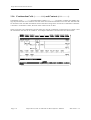
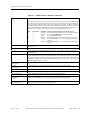
COMMREQ
Communications
Request
Allow the program to communicate with an intelligent module, such as
an N80 Communications Module or a Programmable Coprocessor
Module.
4–72
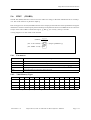
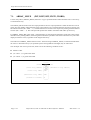
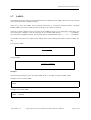
6.1.
MOVE
(BIT, INT, WORD)
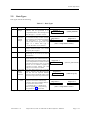
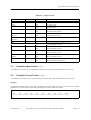
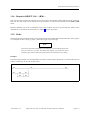
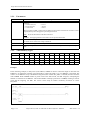
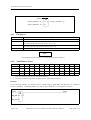
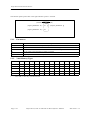
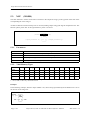
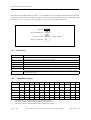
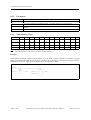
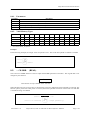
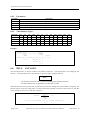
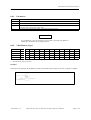
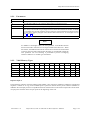
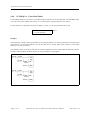
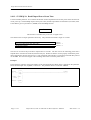
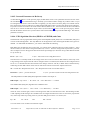
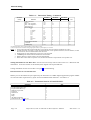
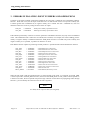
Use the MOVE function to copy data (as individual bits) from one location to another. Because the data is copied
in bit format, the new location does not need to be the same data type as the original location.
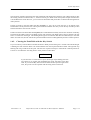
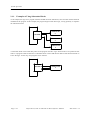
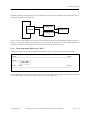
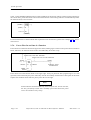
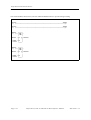
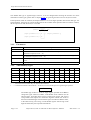
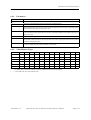
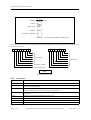
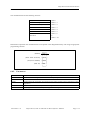
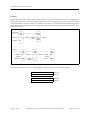
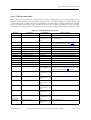
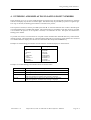
The MOVE function has two input parameters and two output parameters. When the function receives power flow,
it copies data from input parameter IN to output parameter Q as bits. If data is moved from one location in discrete
memory to another, (for example, from %I memory to %T memory), the transition information associated with
the discrete memory elements is updated to indicate wheter or not the MOVE operation caused any discrete
memory elements to change state. Data at the input parameter does not change unless there is an overlap in the
source destination.
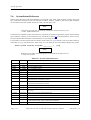
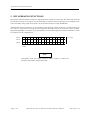
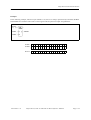
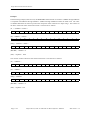
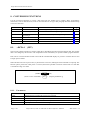
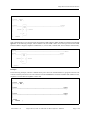
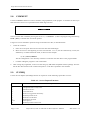
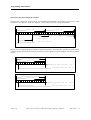
For the BIT type there is another consideration. If a BIT array specified on the Q parameter does not encompass
all of the bits in a byte, the transition bits associated with that byte (which are not in the array) will be cleared when
the MOVE_BIT receives power flow.
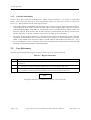
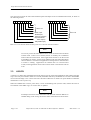
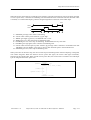
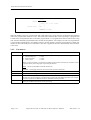
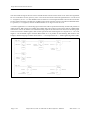
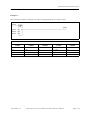
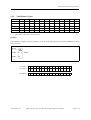
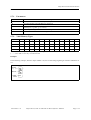
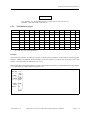
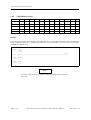
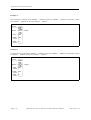
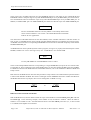
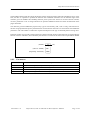
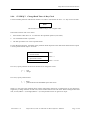
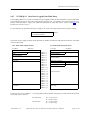
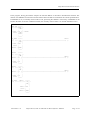
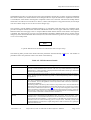
Input IN can be either a reference for the data to be moved or a constant. If a constant is specified, then the constant
value is placed in the location specified by the output reference. For example, if a constant value of 4 is specified
for IN, then 4 is placed in the memory location specified by Q. If the length is greater than 1 and a constant is
specified, then the constant is placed in the memory location specified by Q and the locations following, up to the
length specified. For example, if the constant value 9 is specified for IN and the length is 4, then 9 is placed in the
memory location specified by Q and the three locations following.
Page 4–60
Alspa C80–35, C80–25 and C80–05 PLCs Reference Manual
ALS 52102 c–en