1
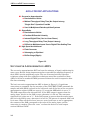
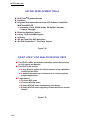
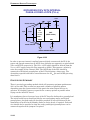
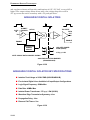
ADCS FOR DSP APPLICATIONS
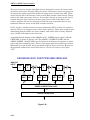
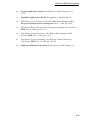
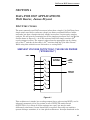
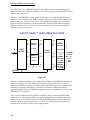
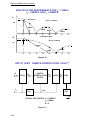
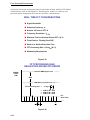
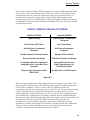
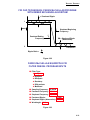
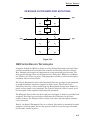
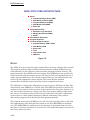
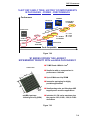
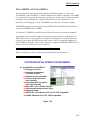
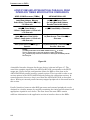
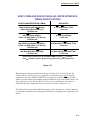
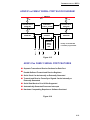
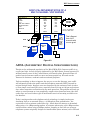
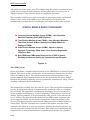
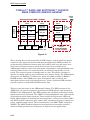
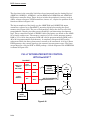
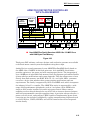
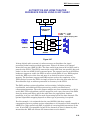
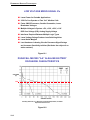
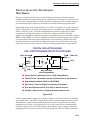
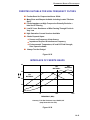
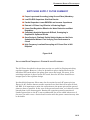
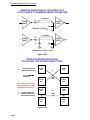
SIGMA-DELTA SUMMARY
■ Inherently Excellent Linearity
■ Oversampling Relaxes Analog Antialiasing Filter Requirements
■ Ideal for Mixed-Signal IC Processes, no Trimming
■ No SHA Required
■ Added Functionality: On-Chip PGAs, Analog Filters,
Autocalibration
■ On-Chip Programmable Digital Filters (AD7725: Lowpass,
Highpass, Bandpass, Bandstop)
■ Upper Sampling Rate Currently Limits Applications to
Measurement, Voiceband, and Audio, but Bandpass Sigma-Delta
Techniques May Change This
■ Analog Multiplexer Switching Speed Limited by Internal Filter
Settling Time. Consider One Sigma-Delta ADC per Channel.
Figure 3.21
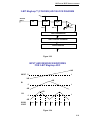
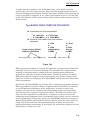
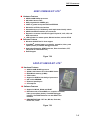
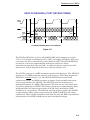
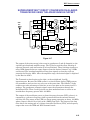
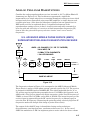
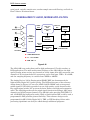
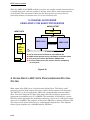
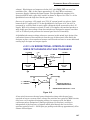
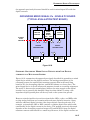
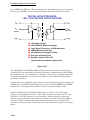
FLASH CONVERTERS
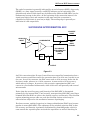
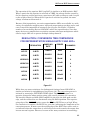
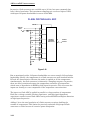
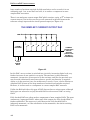
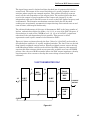
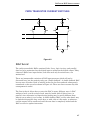
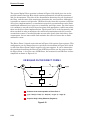
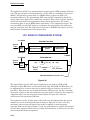
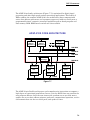
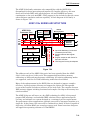
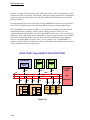
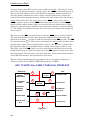
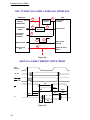
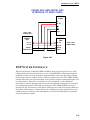
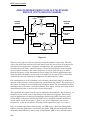
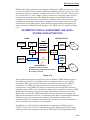
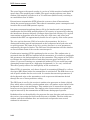
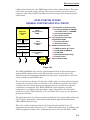
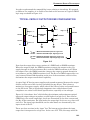
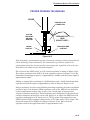
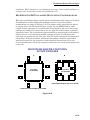
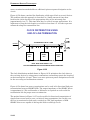
Flash ADCs (sometimes called parallel ADCs) are the fastest type of ADC and use
large numbers of comparators. An N-bit flash ADC consists of 2N resistors and 2N–1
comparators arranged as in Figure 3.22. Each comparator has a reference voltage
which is 1 LSB higher than that of the one below it in the chain. For a given input
voltage, all the comparators below a certain point will have their input voltage
larger than their reference voltage and a "1" logic output, and all the comparators
above that point will have a reference voltage larger than the input voltage and a
"0" logic output. The 2N–1 comparator outputs therefore behave in a way analogous
to a mercury thermometer, and the output code at this point is sometimes called a
thermometer code. Since 2N–1 data outputs are not really practical, they are
processed by a decoder to an N-bit binary output.
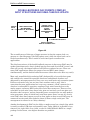
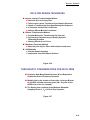
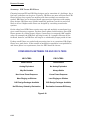
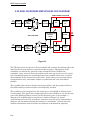
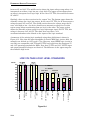
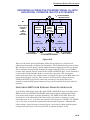
The input signal is applied to all the comparators at once, so the thermometer
output is delayed by only one comparator delay from the input, and the encoder
N-bit output by only a few gate delays on top of that, so the process is very fast.
However, the architecture uses large numbers of resistors and comparators and is
limited to low resolutions, and if it is to be fast, each comparator must run at
relatively high power levels. Hence, the problems of flash ADCs include limited
resolution, high power dissipation because of the large number of high speed
comparators (especially at sampling rates greater than 50MSPS), and relatively
large (and therefore expensive) chip sizes. In addition, the resistance of the
reference resistor chain must be kept low to supply adequate bias current to the fast
comparators, so the voltage reference has to source quite large currents (>10 mA).
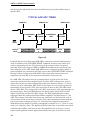
3.21