1
Online Decision Tool for Anaerobic Digestion at Colorado Cattle Operations:
User Manual
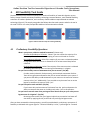
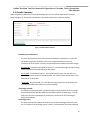
solids (TS), volatile solids (VS), chemical oxygen demand (COD) and biological oxygen
demand (BOD)
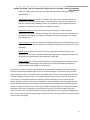
Operational Simplicity: This criteria is related to the number of components and ease of
operation for a particular AD technology. The performance of a given technology for this
criterion is based on the probability of upset, the probability of microorganism washout,
frequency of component tuning and the complexity of startup.
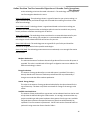
Maintenance Required: This criterion describes the frequency of required regular
maintenance activities for the AD technology. The performance of this criterion is based on
the frequency of clogging, the frequency of sludge removal and the frequency of moving
part replacements.
Capital Investment: Ranks the individual technologies based on estimated capital costs. The
performance of this criterion is based on the footprint and components required for the AD
technology.
Energy Input: Defined as the amount of energy required for the AD technology to be
operational. This criterion is based on influent pumping energy, heating requirements and
the energy use associated with recycle pumping if applicable.
Energy Output: This criterion ranks the amount of energy generated per volume of reactor
for each of the AD technologies and is based on the amount of methane produced per
pound of volatile solids added to the AD system.
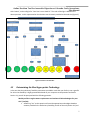
The six distinct criteria have been selected because they represent the defining characteristics which
identify key benefits and disadvantages of each of the AD technologies. The formulas which operate
when the decision tool is run are based off of measurable metrics. These metrics were gathered using
industry standards, literature reviews, case studies and performance contacts. Each of the metrics or
“sub criteria” are compared to each other through a process referred to as multi criteria decision
analysis (MCDA). A rank for each sub criteria between 1-5 was assigned for each technology based on
performance data collected in the literature. When the ranks are summed and normalized it becomes
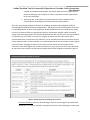
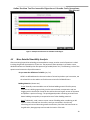
possible to assign an overall score to each of the selected technologies (Figure 5). The output is greatly
dependent on the scores assigned to criteria outlined in Figure 4. It is recommended that the user
makes use of the “Retry” button located at the bottom right hand corner of the graph as highlighted in
Figure 5. This allows the user to change assigned values for each criteria and evaluate the impact to final
scores for each technology.
9