1
Affinity
chromatography
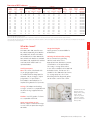
Chromatography media
4
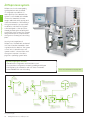
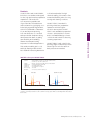
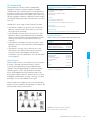
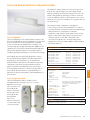
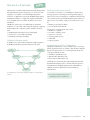
Technique description
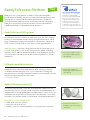
Affinity chromatography
The inherent high specificity of ligand – target interactions
makes affinity chromatography particularly suitable for
the Capture stage of downstream processing. One of the
typical advantages of using affinity techniques is that
the capacity of the media is usually not affected by the
presence of contaminants since they have no affinity
for the coupled ligand. The result is reliable product
purity, often with purification factors well over 1000, and
effective concentration, achieved in a single step. Affinity
chromatography may also be suitable for the Intermediate
or Polishing stages, to remove small amounts of specific
contaminants. In affinity chromatography, the product to
be purified adsorbs to an affinity ligand that is coupled to
a matrix. The ligand is specific for a single type of protein/
peptide molecule, or group of such molecules. The targeted
product often binds to the ligand under specific conditions
of ionic strength and pH. After unbound impurities are
rinsed away, the product can be eluted by using a step
gradient of increasing or decreasing ionic strength and/
or by changing the pH, or by a more selective elution
technique.
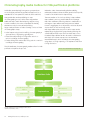
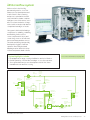
The most widely used affinity chromatography purification
step today is the capture of antibodies using the Protein A
ligand.
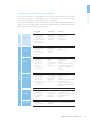
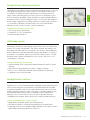
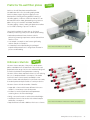
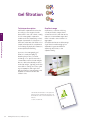
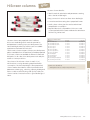
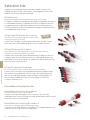
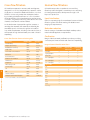
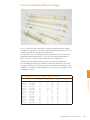
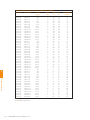
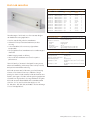
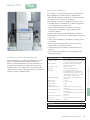
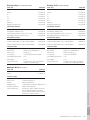
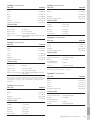
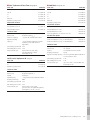
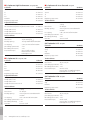
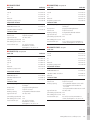
Protein A media
The MabSelect family for the capture of monoclonal
antibodies has been developed with industrial needs
in mind. The expanded product range focuses on
better overall process economy and reduced time for
optimization.
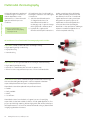
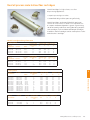
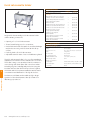
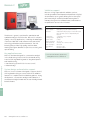
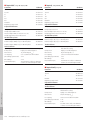
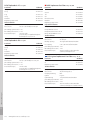
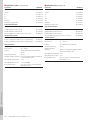
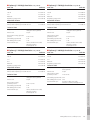
Group-specific media
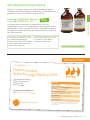
Heparin Sepharose 6 Fast Flow and Blue Sepharose 6 Fast
Flow are examples of media with affinity for a group of
related molecules.
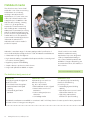
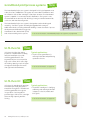
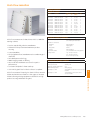
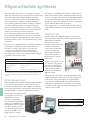
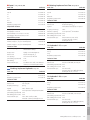
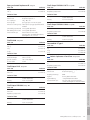
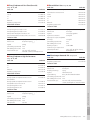
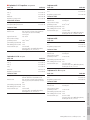
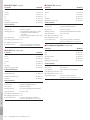
IMAC media
Immobilized Metal Ion Chromatography (IMAC) is a
versatile purification technique for proteins, including
histidine-tagged proteins, with an affinity for metal ions.
Ni Sepharose 6 Fast Flow is precharged with Ni2+ ions and
is designed for purification of histidine-tagged proteins,
suitable for scale-up and accompanied with a Regulatory
Support File. IMAC Sepharose 6 Fast Flow is the uncharged
version (with the possibility to charge the metal ion of your
choice), suitable for histidine-tagged proteins as well as
other recombinant proteins and native proteins. Chelating
Sepharose Fast Flow is the well-established BioProcess
IMAC medium and is being used in several approved
biopharmaceutical process.
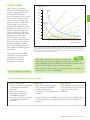
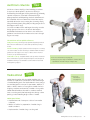
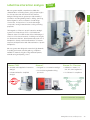
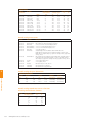
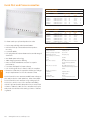
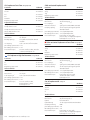
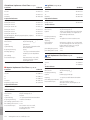
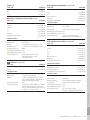
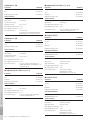
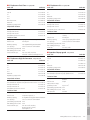
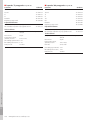
Pre-activated media
Pre-activated media allow you to couple a ligand
appropriate to your application. The choice of medium
depends on several factors, for example the groups in
the ligand molecule that are suitable for coupling and
the chemical stability demands on the resulting affinity
medium. CNBr-activated Sepharose 4 Fast Flow and NHSactivated Sepharose 4 Fast Flow are examples of modern
pre-activated media suitable for attaching various ligands.
70
www.gelifesciences.com/bioprocess