1
31
CHAPTER 2. RELATED LITERATURE
Ñ
Ô
Ö
É
Ô
Ñ
Õ
Ê
Ë
Ï
Ô
Ñ
Ì
Ö
Í
Õ
Ï
Ü
Þ
Ö
Þ
Ï
Ñ
ß
Ï
×
à
Ñ
×
Ô
Û
Ø
Ü
Ù
Ï
Ï
×
Ú
Ý
Ú
Ê
Î
Ñ
Ï
Õ
×
Û
Ñ
Ô
Ü
Ï
Ø
Ý
Ù
Ú
Ï
×
Ú
Ö
Ü
Þ
Þ
Ö
Ï
ß
Ü
Ï
Þ
Þ
à
Ï
Ï
×
ß
Ð
Ñ
Ò
Ö
Ï
Ï
Ñ
à
×
×
Û
Ó
Ñ
Ô
Ü
Ï
Ø
Ý
Ù
Ú
Ï
×
Ú
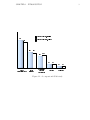
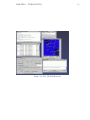
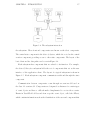
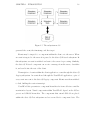
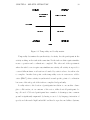
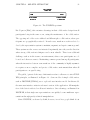
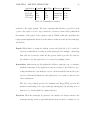
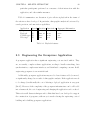
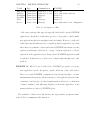
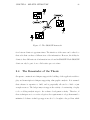
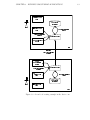
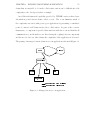
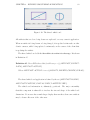
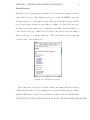
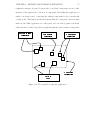
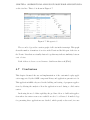
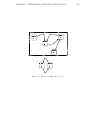
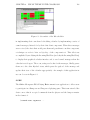
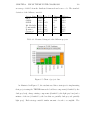
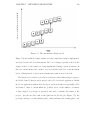
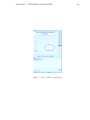
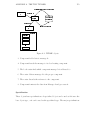
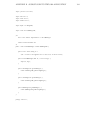
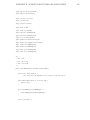
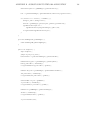
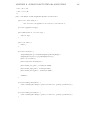
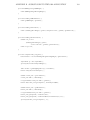
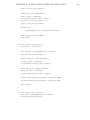
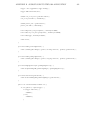
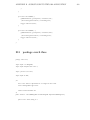
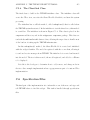
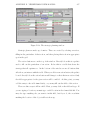
Figure 2.2: The WYSIWIS spectrum
like Cognoter [FS86], take extensive advantage in their collaborative design from all
participants being in the same room, easing the maintenance of the collaboration.
The opposing end of the vector talks about different-place collaboration, where participants are geographically scattered. In such cases, much more work needs to be
done by the representation system to maintain, augment, and repair common ground.
These systems are the ones we are interested in primarily, since they are the direction
where strong collaboration techniques can be most valuable. There is an additional
challenge, such as in the team room environment, where some participants are collocated and others are remote. Maintaining common ground among all participants,
when the interaction between some members of the community is highly asymmetric requires a more complete and precise collaborative environment than when all
participants are on equal footing.
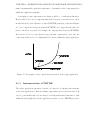
The public / private dichotomy of information refers to adherence to strict WYSIWIS principles, as illustrated in Figure 2.2. Some models of simple collaboration,
such as DISCIPLE [WDM99], use a replicated user interface model. In this model,
the same user interface exists in each user’s version of the application. All manipulation of the data is reflected on all users’ interfaces. One advantage, as illustrated in
DISCIPLE, is that single-user representations can quickly become multi-user representations through purely technical manipulations.
Strict WYSIWIS, as shown by Stefik, however, is not how people think about