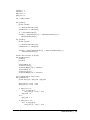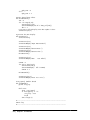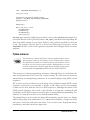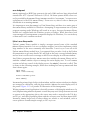
1
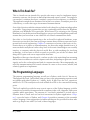
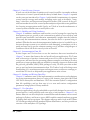
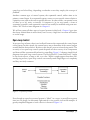
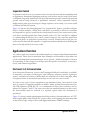
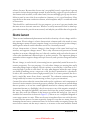
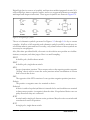
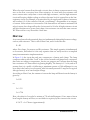
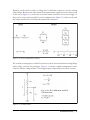
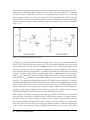
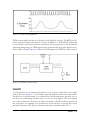
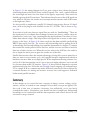
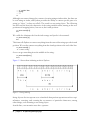
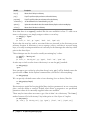
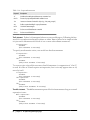
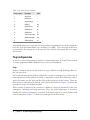
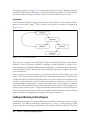
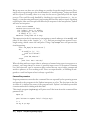
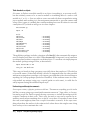
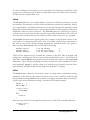
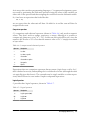
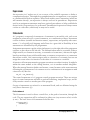
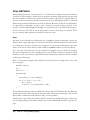
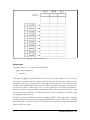
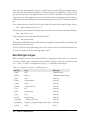
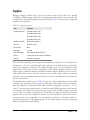
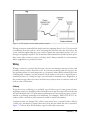
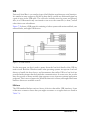
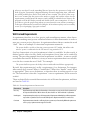
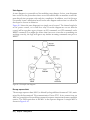
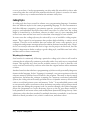
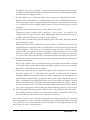
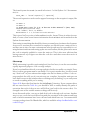
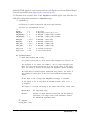
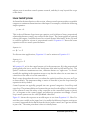
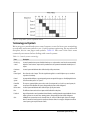
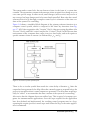
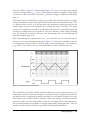
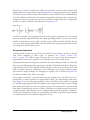
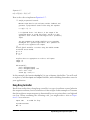
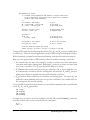
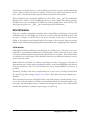
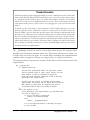
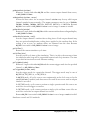
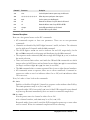
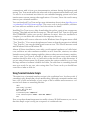
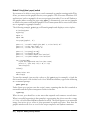
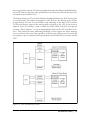
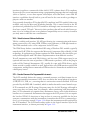
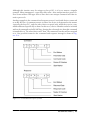
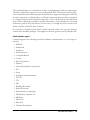
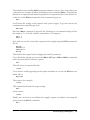
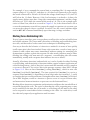
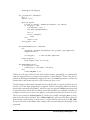
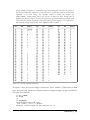
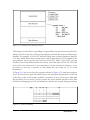
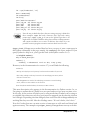
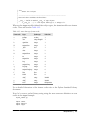
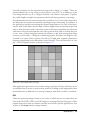
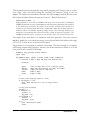
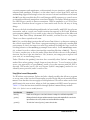
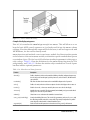
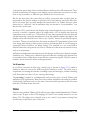
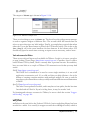
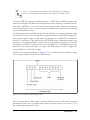
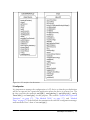
In this equation:
e(i)
Is the error at integration step i
i
Is the integration step
Ts
Is the time step size (Δt)
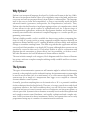
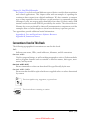
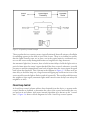
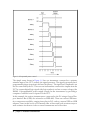
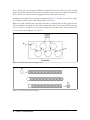
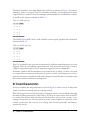
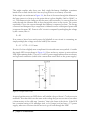
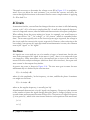
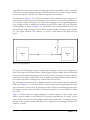
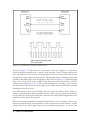
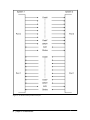
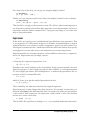
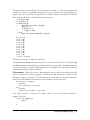
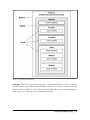
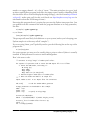
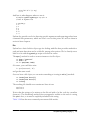
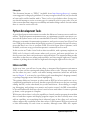
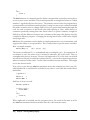
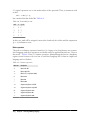
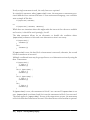
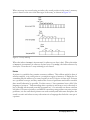
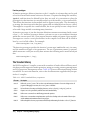
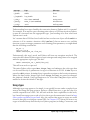
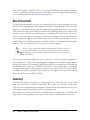
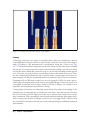
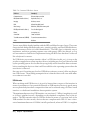
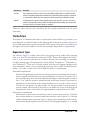
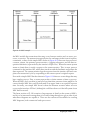
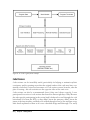
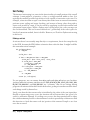
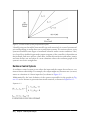
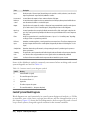
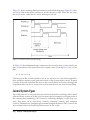
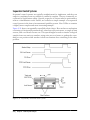
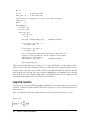
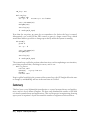
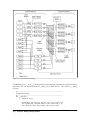
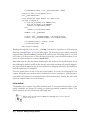
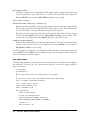
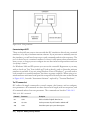
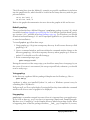
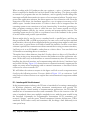
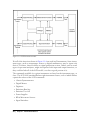
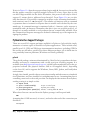
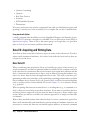
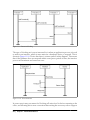
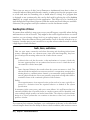
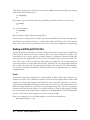
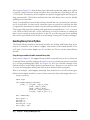
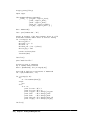
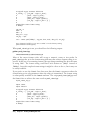
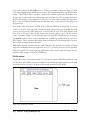
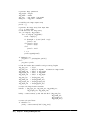
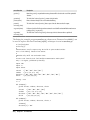
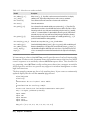
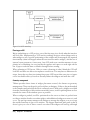
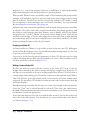
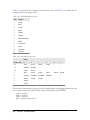
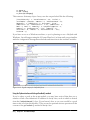
Now for the derivative term (Equation 9-9).
Equation 9-9.
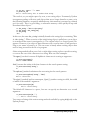
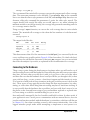
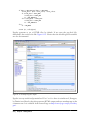
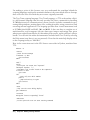
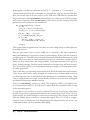
In this equation:
t
Is the instantaneous time
e(t − 1)
Is the previous value of e, which is separated in time from e(t) by Ts
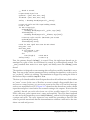
Just remember that we’re now in the discrete-time domain, and the t is there as a sort
of placeholder to keep things temporally correlated.
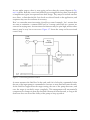
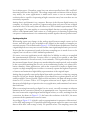
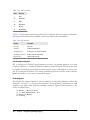
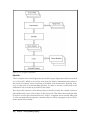
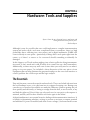
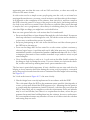
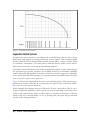
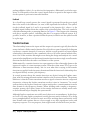
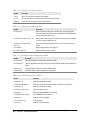
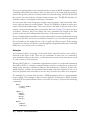
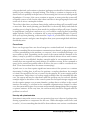
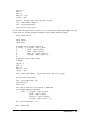
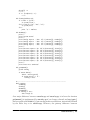
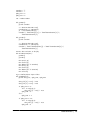
We don’t really need to do anything with the proportional term from Equation 9-4; it’s
already in a form that can be translated directly into code.
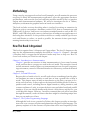
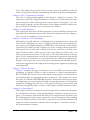
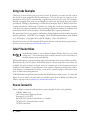
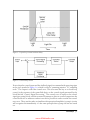
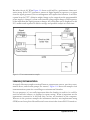
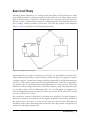
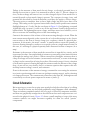
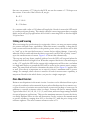
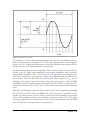
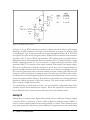
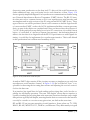
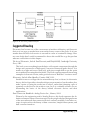
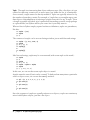
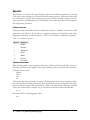
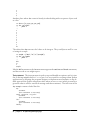
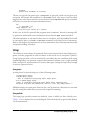
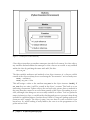
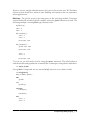
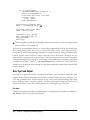
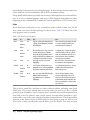
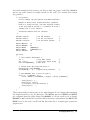
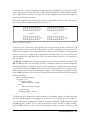
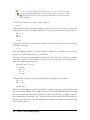
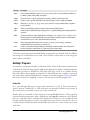
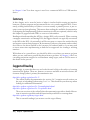
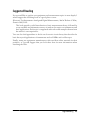
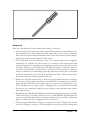
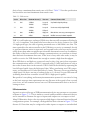
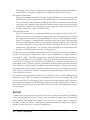
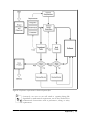
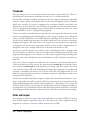
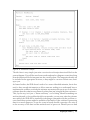
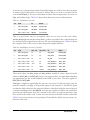
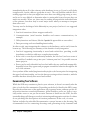
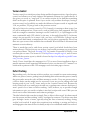
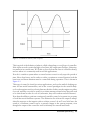
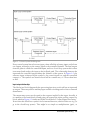
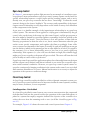
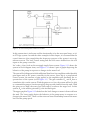
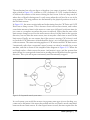
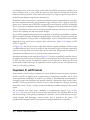
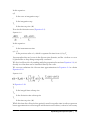
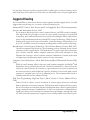
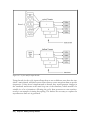
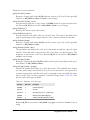
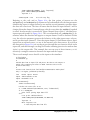
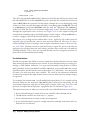
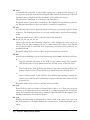
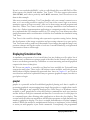
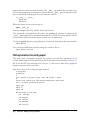
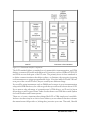
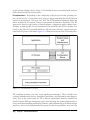
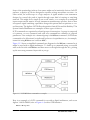
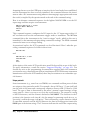
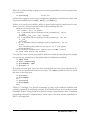
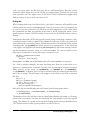
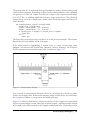
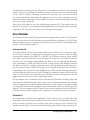
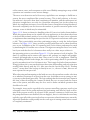
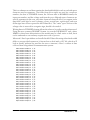
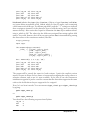
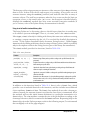
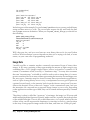
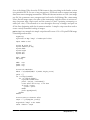
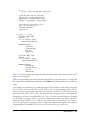
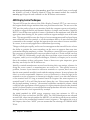
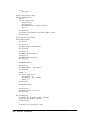
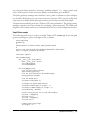
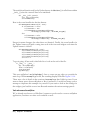
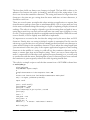
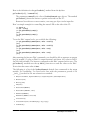
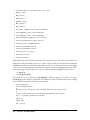
We can now substitute the discrete-time approximations in Equation 9-4 to obtain
Equation 9-10.
Equation 9-10.
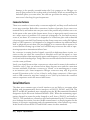
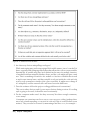
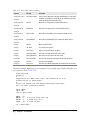
In Equation 9-10:
Ti
Td
Ts
Is the integral time substep size
Is the derivative time substep size
Is the time step size (Δt)
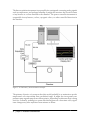
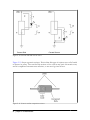
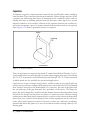
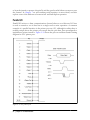
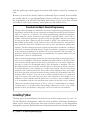
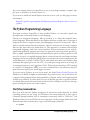
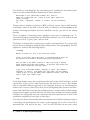
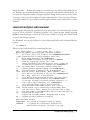
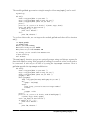
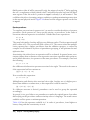
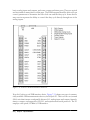
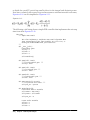
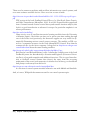
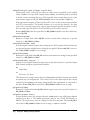
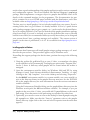
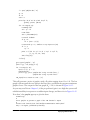
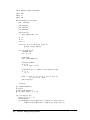
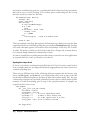
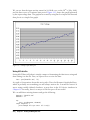
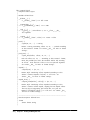
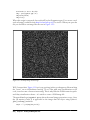
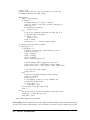
While this form does allow for fine-grained control in regard to time in order to generate
better approximations of the integral and derivative term values, it often isn’t necessary
Implementing Control Systems in Python | 343