1
USB Example: The LabJack U3
Technological advancements in USB devices have continued to drive the cost of I/O
devices with a USB interface ever lower. Just five years ago devices with the capabilities
of this new breed of I/O modules would have cost many hundreds or even thousands
of dollars. Prices today range from around $100 and up, depending on factors such as
speed, conversion resolution, and the type and quantity of I/O channels.
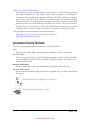
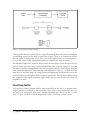
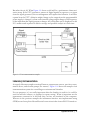
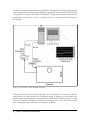
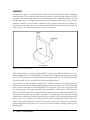
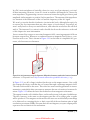
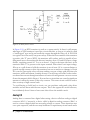
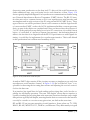
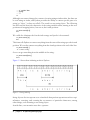
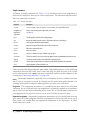
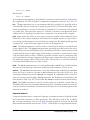
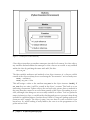
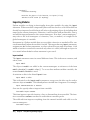
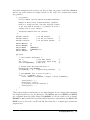
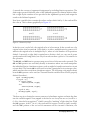
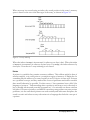
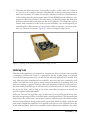
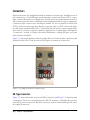
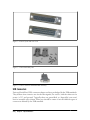
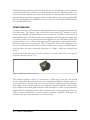
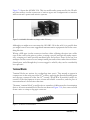
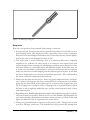
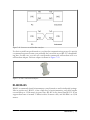
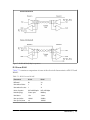
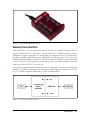
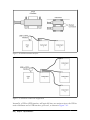
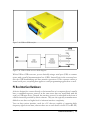
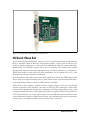
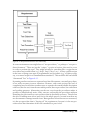
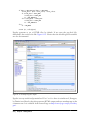
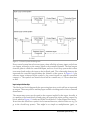
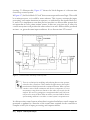
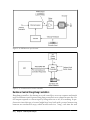
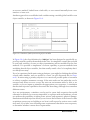
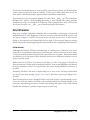
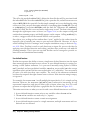
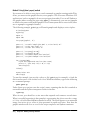
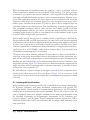
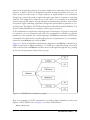
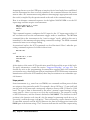
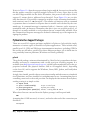
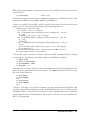
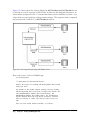
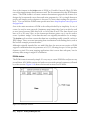
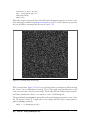
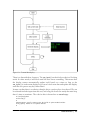
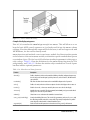
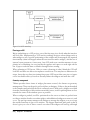
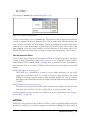
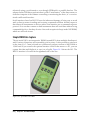
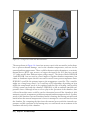
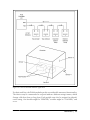
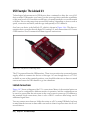
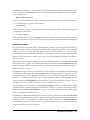
One low-cost device is the LabJack U3, which is shown in Figure 14-6. This data acquisition device provides discrete digital I/O, analog I/O, and counter/timer I/O. It uses
a USB interface for all command and data response transactions.
Figure 14-6. LabJack U3 USB DAQ device
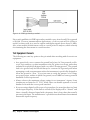
The U3 is powered from the USB interface. There is no provision for an external power
supply, which is common for devices of this type. So even though there is +5 V DC
available at some of the terminal positions, care should be taken not to draw too much
current and cause the USB channel to go into shutdown.
LabJack Connections
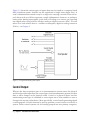
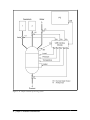
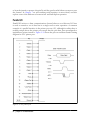
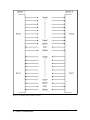
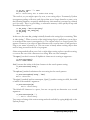
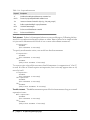
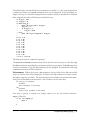
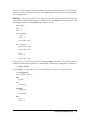
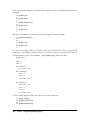
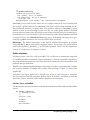
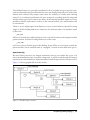
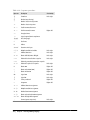
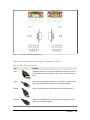
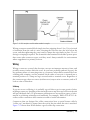
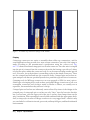
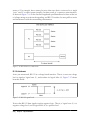
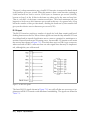
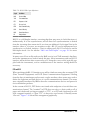
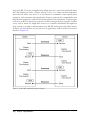
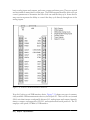
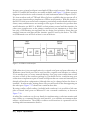
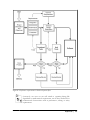
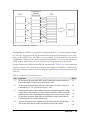
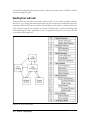
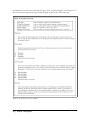
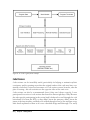
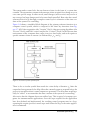
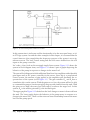
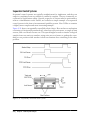
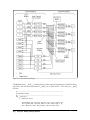
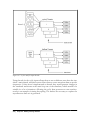
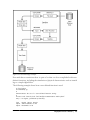
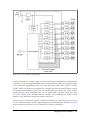
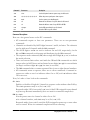
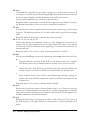
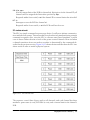
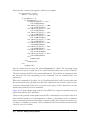
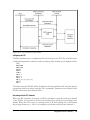
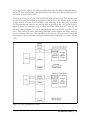
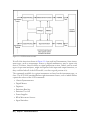
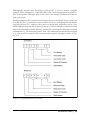
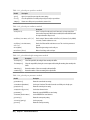
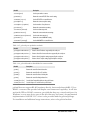
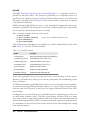
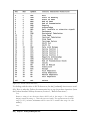
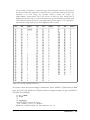
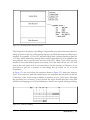
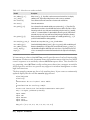
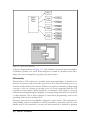
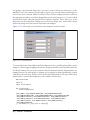
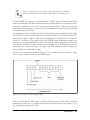
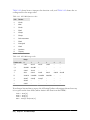
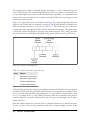
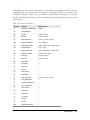
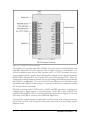
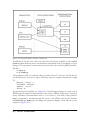
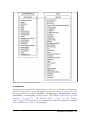
Figure 14-7 shows a diagram of the U3’s connections. Many of the terminal points on
the U3 can be configured for different modes of operation, and the configuration can
be saved to ensure that the unit starts in the correct state at power-up. In addition to
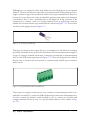
the terminal block connections, there is also a DB-15 connector that brings out 12
additional signal lines.
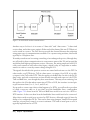
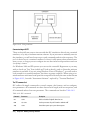
You can connect more than one LabJack at a time to a PC by using USB hubs, but keep
in mind that the increase in data traffic can result in slower response times for all connected devices.
560 | Chapter 14: Real World Examples