1
C Programming User’s Manual
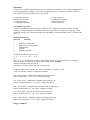
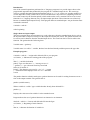
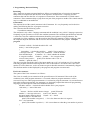
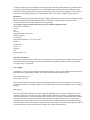
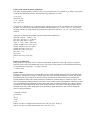
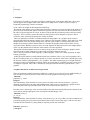
Floating Point Types :
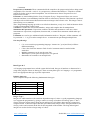
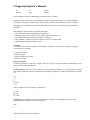
Floating point number represents a real number with 6 digits precision. Floating point numbers are
denoted by the keyword float. When the accuracy of the floating point number is insufficient, we can
use the double to define the number. The double is same as float but with longer precision. To extend
the precision further we can use long double which consumes 80 bits of memory space.
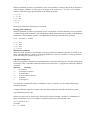
Void Type :
Using void data type, we can specify the type of a function. It is a good practice to avoid functions that
does not return any values to the calling function.
Character Type :
A single character can be defined as a defined as a character type of data. Characters are usually stored
in 8 bits of internal storage. The qualifier signed or unsigned can be explicitly applied to char. While
unsigned characters have values between 0 and 255, signed characters have values from –128 to 127.
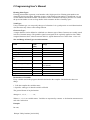
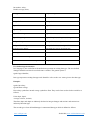
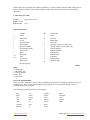
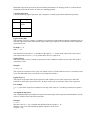
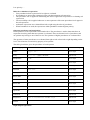
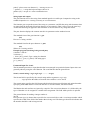
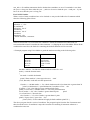
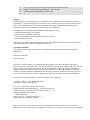
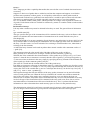
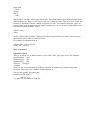
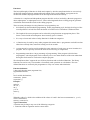
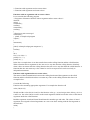
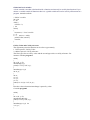
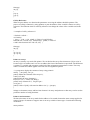
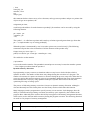
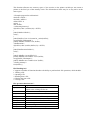
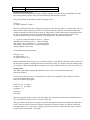
Size and Range of Data Types on 16 bit machine.
TYPE
Char or Signed Char
Unsigned Char
Int or Signed int
Unsigned int
Short int or Signed short
int
Unsigned short int
Long int or signed long int
Unsigned long int
Float
Double
Long Double
SIZE
(Bits)
8
8
16
16
8
Range
8
32
0 to 255
-2147483648 to
2147483647
0 to 4294967295
3.4 e-38 to 3.4 e+38
1.7e-308 to 1.7e+308
3.4 e-4932 to 3.4 e+4932
32
32
64
80
-128 to 127
0 to 255
-32768 to 32767
0 to 65535
-128 to 127
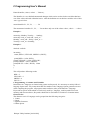
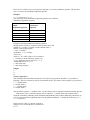
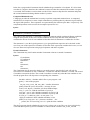
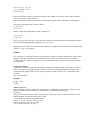
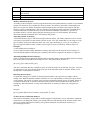
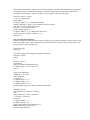
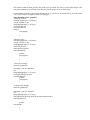
Declaration of Variables
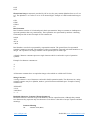
Every variable used in the program should be declared to the compiler. The declaration does two
things.
1. Tells the compiler the variables name.
2. Specifies what type of data the variable will hold.
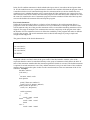
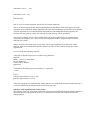
The general format of any declaration
datatype v1, v2, v3, ……….. vn;
Where v1, v2, v3 are variable names. Variables are separated by commas. A declaration statement must
end with a semicolon.
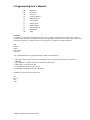
Example:
Int sum;
Kirtipur Valley Institute [014332509]