1
STANDARD DTMF INTEGRATION
8.1
8-1
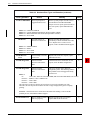
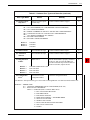
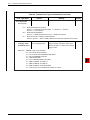
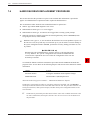
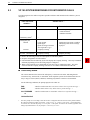
STANDARD DTMF INTEGRATION VS. ADAPTIVE INTEGRATION
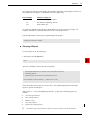
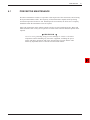
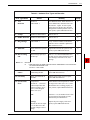
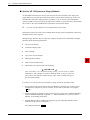
Standard DTMF Integration and Adaptive Integration (AI) depend on the capabilities of a PBX and
standard or optional features of the VP 100.
Standard DTMF Integration and Adaptive Integration use VP 100 standard features. However, Adaptive
Integration enhances the operation beyond standard DTMF integration, dependent upon PBX/CO
capabilities and therefore may require additional hardware, consisting of modems or additional cabling.
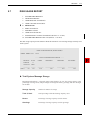
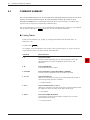
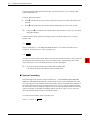
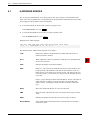
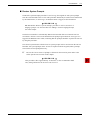
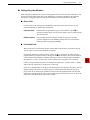
■ Message Waiting Indication (MWI)
In a standard VP 100, when the first new message is left in a mailbox, ringing Message Waiting
Notification (MWN) is provided. The VP 100 calls the extension of the mailbox with a new message
and, if the call is answered, plays a prompt indicating that there are messages in the mailbox. Message
Waiting Indication (MWI) is an alternate method of notification. Depending on PBX functionality, any
of the following may occur:
•
The telephone message lamp may be lit,
•
Stutter dial tone may be provided when the telephone receiver is off-hook and a message is
waiting, or
•
With Adaptive Integration, a display phone may indicate that a message is waiting.
Only one method, either Message Waiting Notification or Message Waiting Indication, is used for a
mailbox. Both methods may not be used at the same time for the same mailbox.
Normally, MWN and MWI are turned OFF when the mailbox is logged on to, whether messages are
listened to or not.
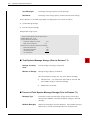
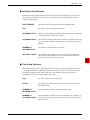
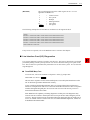
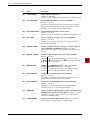
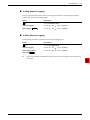
MWI operation can be varied in the following ways:
•
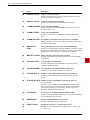
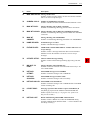
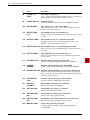
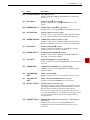
To activate the MWI for each new message (System Parameter 83 — LAMP MW: LIGHT
LAMP FOR EACH NEW MESSAGE).
•
To call the extension before activating MWI (System Parameter 84 — LAMP MW: CALL
EXTENSION BEFORE LIGHTING LAMP).
•
To turn OFF MWI only when a mailbox contains no messages (System Parameter 166 —
LAMP MW: TURN OFF ONLY IF NO NEW MESSAGES).
These configurable settings apply to all mailbox holders system-wide and are generally selected for a
better match with the PBX functions.
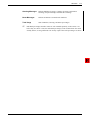
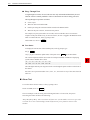
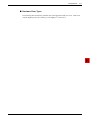
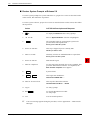
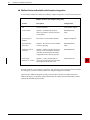
■ Called Party Identification (CPI)
A standard VP 100 normally supervises calls. After collecting digits and outpulsing them, the VP 100
monitors the line to detect ringing, answer, busy, or all calls forwarded. By staying on the line until the
call is released, the VP 100 maintains knowledge of the number that was called and can direct
messages correctly.
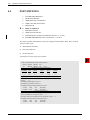
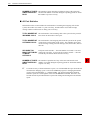
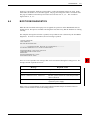
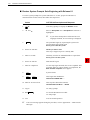
Some PBXs can forward information about a call to the VP 100. Depending on the method a particular
PBX uses to send the information, Standard DTMF Integration or Adaptive Integration can process the
information to tailor system operation to the type of call received.
Toshiba VP Systems
Release 7.1
July, 1994