1
US008103736B2
(12) Ulllted States Patent
(10) Patent N0.:
Maehiro
(54)
(75)
(45) Date of Patent:
STATUS NOTIFYING METHOD IN
7,185,059 B2 *
Jan. 24, 2012
2/2007 Daniell et a1. .............. .. 709/206
COMMUNICATION SYSTEM’ STATUS
200502045925; 2B5: @5333 51mm“ f‘ 1”‘
333/53?
NOTIFYING SERVER AND
COMMUNICATION SYSTEM
2002/0083134 A1 *
2002/0095571 A1 *
713/164
Inventor:
2003/0191846 A1* 10/2003 Hunnicutt et a1.
709/229
2004/0193722 A1 * 9/2004 Donovan .................... .. 709/230
Kazutoyo Maehiro, Tokyo (JP)
(73) Assignee: Kabushiki Kaisha Square Enix, Tokyo
(*)
US 8,103,736 B2
Notice:
6/2002
7/2002
Bauer
0rr1se
et al.
a . ..
Bradee ......... ..
FOREIGN PATENT DOCUMENTS
(JP)
EP
EP
0944002
1071295
patent
Subjectistoextended
any disclaimer,
or adjusted
the term
under
of this
35
JP
200032033
1/2000
U.S.C. 154(b) by 1795 days.
JP
2000-92153
3/2000
(21)
App1_ NO; 10/106,350
(22)
Filed:
Mar. 27, 2002
(65)
709/204
9/1999
1/2001
JP
2001-14254
1/2001
JP
2001-222498
8/2001
WO
00/59191
10/2000
W0
Q0/6914‘)
11/2000
OTHER PUBLICATIONS
Prior Publication Data
Trillian online user manual, Jul. 2000. 6 pages (Retrieved from WWW.
Us 2002/0156844 A1
(30)
Oct‘ 24’ 2002
ceruleanstudios.c0m/supp0rt/manual.php Apr. 12, 2006).*
Foreign Application Priority Data
(Continued)
Apr. 24, 2001
(JP) ............................... .. 2001-126437
Mar. 26, 2002
(JP) ............................... .. 2002-084835
Primary Examiner iAaron Strange
(74) Attorney] Agent] or Firm i Greenblum & Bernstein’
P.L.C.
(51)
52
Int. Cl.
G06F 15/16
(2006.01)
(57)
ABSTRACT
US. Cl. ...................................... .. 709/207; 709/204
E58; Field of Classi?cation Search
S
1.
t.
?l f
ee app 10a Ion
(56)
1 t
.
709/203i207
A pro?le server group determines Whether any request for
224 4 63 / 42’
h’h. t ’
status noti?cation is received from the client. If there is a
request for status noti?cation, a handle name included in the
e or Comp 6 e Seam
15 my‘
request is obtained, and a status ?ag corresponding to the
References Cited
handle name is extracted from the hard disk. Next, the status
?ag is checked. If the on-line ?ag is set to “ON”, the user
status is checked. If the user status is not “IN HIDING”, the
U S PATENT DOCUMENTS
i
2
user status is noti?ed. On the other hand, When the on-line ?ag
5232:1253? a1‘ """"" " 340/5 '52
631753873 B1
is set to “OFF”, the client With the handle name relating to the
1/2001 Yamane et ‘a1’
request noti?es that It IS offline.
6,205,478 B1
3/2001 Sugano et al.
6,446,112 B1 *
9/2002 Bunney et a1. .............. .. 709/204
9 Claims, 7 Drawing Sheets
CHANGING PROCESSING
INSTRUCTION
FOR CHANGING USER STATUS
FFIOM CLIENT?
YES
B
AWAY FFIOM HIS/HER
SEAT?
N0
4...
INSTRUCTION
FOR SWITCHING
ON-LINE OR OFF-LINE OF CLIENT
FROM AUTHENTICATION
SERVER?
CHANGE USER
S403
TURN ON OR OFF ON-LINE
FLAG OF CHANGED CLIENT
S407
S408
TINT-859$}
N 11mm?
vss
5405
2
CHANGE USER
STATUS OF ALL HN
T0 ‘BEING AWAY
FROM HIS/HER SEA "
$409
2
CHANGE USEFI
STATUS OF ALL HN TO
‘NON NOTIFICATION“
OR l‘IN HIDING“
USUAL USER
S410
STATUS CHANGING
US 8,103,736 B2
Page 2
OTHER PUBLICATIONS
English language Abstract and partial English translation for JP
Examiner ScreenshotsiTrillian version 0.62; Screenshots created
Feb. 7, 2007; Software released Jan. 28, 2001.*
English language Abstract and partial English translation for JP
Trillian; Trillian.com Website; Feb. 2, 2001.*
Oldversion; Oldversion.comiTrillian; Feb. 7, 2007.*
Examiner Screenshots (?gs. 4 and 5)iTrillian version 0.62;
Screenshots created Apr. 1, 2011; Software released Jan. 28, 2001.*
English language Abstract and partial English translation for JP
10-271159, Oct. 9, 1998.
English language Abstract and partial English translation for JP
11-259393, Sep. 24, 1999.
2000-32033, Jan. 28, 2000.
2001-14254, Jan. 19, 2001.
Tateishi, N., Internet Voyager, ASCII, vol. 24, No. 1, Japan, ASCII
Corp., pp. 398-403, Jan. 1, 2000, together With a partial English
language translation of the same.
English language Abstract of JP2001-222498.
English language Abstract of JP 2000-92153.
* cited by examiner
US. Patent
Jan. 24, 2012
Sheet 4 of7
US 8,103,736 B2
FIG. 4
ON-LINE FLAG
USER STATUS
BEiNG AWAY FROM His/HER SEAT
BUSY
ON
IN HIDING
1
NOT DEFlNED
OFF
NOT DEFINED
FIG. 5
LIST
%
BEING AWAY FROM HIS/HER SEAT
~///,118L183 7///////////A
602 A»; 7
O) a
3
,4, V-% :EZHTPI’ ’ 7///////////
\
N
iiAlZTé éEéé?éE’ //////
[CONFIRM { CANCEL
/
f
605
US. Patent
6E
m
Jan. 24, 2012
Sheet 5 of7
US 8,103,736 B2
US. Patent
Jan. 24, 2012
Sheet 7 of7
US 8,103,736 B2
FIG. 8
701
l‘
i
702
700
i
/
/ / Friend List16/2OO
\
Online Frien?s /
I
i $3 2' ma'meco
Patty
<32
2'4
Ell
maehiro
793
‘3g kazutoyo
}1 1 Offline Friends
)
‘E
EEK]
taro
'
FIG. 9
STATUS FLAG
ICON
BEING AWAY FROM HIS/HER SEAT
BUSY
NOT DEFiNED
w
DOUG
}
704
US 8,103,736 B2
1
2
STATUS NOTIFYING METHOD IN
performed in a communication system including multiple
COMMUNICATION SYSTEM, STATUS
clients and a server. The method is for notifying status of the
clients regarding connection to a communication netWork.
The server stores in a ?rst memory device the connection
NOTIFYING SERVER AND
COMMUNICATION SYSTEM
CROSS REFERENCE TO RELATED
APPLICATION
status and information on Whether noti?cation of the connec
tion status is alloWed. The status and information are sent
from the clients. The server also receives a request for the
noti?cation of the connection status from one of the clients.
The present disclosure relates to subject matter contained
in Japanese Patent Application No. 2001-126437, ?led on
Then, the server determines, in response to the received
request, Whether the connection status is noti?ed based on the
Apr. 24, 2001 and Japanese Patent Application No. 2002
information stored in the ?rst memory device, and noti?es the
connection status stored in the ?rst memory device only When
it is determined that the connection status is alloWed to be
noti?ed.
The client may have multiple user names, each of Which is
used for connecting to the communication netWork. The
84835 ?led on Mar. 26, 2002, the disclosure of Which is
expressly incorporated herein by reference in its entirety.
BACKGROUND OF THE INVENTION
server may store a connection status for each of the user
1. Field of the Invention
The present invention relates to a status notifying method
names.
in a communication system, a status notifying server and a
communication system. More particularly, the present inven
20
The status noti?cation method may further include receiv
ing an instruction for updating the connection status of one of
tion relates to a status notifying method, a status notifying
server, a communication system and a computer readable
the clients, and updating the connection status relating to all
recording medium, in a communication system for notifying,
instruction to update.
According to a second aspect of the present invention, there
of the user names Which are used by the client Who sent the
through a server, a status of multiple clients regarding con
nection to a communication netWork.
25
2. Description of the Related Art
Conventionally, a technology is knoWn that, in a client/
server system, a server monitors each client connected to a
communication network, stores the connection status in a
memory device and noti?es the connection status retrieved
from the memory device in response to a request from one of
the clients.
In such technologies, When the server recogniZes that one
of the clients logs into the netWork, the server stores in the
memory device information indicating the client’s on-line
status. Then, When one of the logged-in clients queries the
30
35
netWork status, the server sends only information on clients
connected to the netWork. The client receives the information
and displays a list of current logged-in clients, that is, on-line
clients, on the display.
Recently, communication using a communication net
Work, such as e-mail and chat, has become popular. In such
communication, each client may recogniZe the status of the
40
is provided a status notifying server for notifying the status of
multiple clients regarding connection to a communication
netWork. The status notifying server includes a ?rst memory
for storing the connection status and information on Whether
noti?cation of the connection status is alloWed. The status and
information are sent from the clients. The status notifying
server further includes a request receiver that receives a
request for the noti?cation of the connection status from one
of the clients, and a noti?cation system that determines, in
response to the received request, Whether the connection sta
tus is noti?ed based on the information stored in the ?rst
memory and noti?es the connection status stored in the ?rst
memory When it is determined that the connection status is
alloWed to be noti?ed.
In this case, the client may have multiple user names, each
of Which is used for connecting to the communication net
Work. The ?rst memory device may store a connection status
for each of the user names.
The status noti?cation server may further include an
instruction receiver that receives an instruction for updating
other clients logged into the netWork before sending a mes
45 the connections status from one of the clients, and a system
sage to an on-line client.
that updates connection status relating to all of the user names
HoWever, the user cannot manipulate a client When the user
is aWay from the client, even though the client is on-line. In
this Way, despite the fact that the user is not at the client, the
server noti?es other clients that the client is present in
response to a request from the other clients.
As a result, even When a client queries netWork information
noti?ed by the server and sends a message to another on-line
client, the client cannot receive a response immediately. Fur
ther, another problem is that a connection status of the client
is noti?ed to a party, even When the user of the client does not
Which are used by the client that sent the instruction to update.
According to a third aspect of the present invention, there is
provided a computer readable recording medium on Which is
50
netWork. The program causes the server to store in a ?rst
memory device the connection status and information on
Whether noti?cation of the connection status is alloWed. The
55
Want to notify the connection status.
SUMMARY OF THE INVENTION
The present invention Was made in vieW of these problems.
It is an object of the present invention to provide a status
notifying method and a status notifying server, a communi
60
cation system, and computer-readable recording medium,
Which can notify a connection status to a communication
netWork properly.
In vieW of the object, according to a ?rst aspect of the
present invention, there is provided a status notifying method
recorded a program for causing a server to notify the status of
a group of clients regarding connection to a communication
65
information and status are sent from the clients. The program
further causes the server to receive a request for the noti?ca
tion of the connection status from one of the clients. The
program further causes the server to determine, in response to
the received request, Whether the connection status is noti?ed
based on the information stored in the ?rst memory device,
and to notify the connection status stored in the ?rst memory
device When it is determined that the connection status is
alloWed to be noti?ed.
Preferably, the client has multiple user names, each of
Which is used for connecting to the communication netWork.
The server stores a connection status for each of the user
names.
US 8,103,736 B2
4
3
response to the selection, one of the video game machines
The program may further causes the server to receive an
instruction for updating the connections status from one of
103a and 10319 and the generic computers 104a and 1041)
the clients, and to update connection status relating to all of
becomes connected to one of the server groups corresponding
to the selected services. Then, the user can receive different
the user names Which are used by the client that instructed the
kinds of information services.
The hardWare con?guration for each client can include a
update.
BRIEF DESCRIPTION OF THE DRAWINGS
commonly available Workstation, an information processing
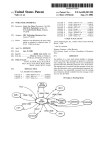
FIG. 1 is a block diagram shoWing an example of the
system con?guration according to one embodiment of the
machine, and peripheral devices thereof. Functions according
apparatus such as a personal computer and a video game
to the present invention, Which are described beloW, may be
implemented by a CPU, a disk device, a memory device, an
present invention;
mation notifying method according to one embodiment of the
input device, an output device and programs for controlling
them in each of the hardWare con?gurations.
FIG. 2 conceptually shoWs an example of the hardWare
present invention is implemented;
con?guration of the pro?le server group 115 in Which an
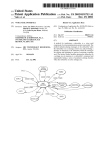
FIG. 3 is a diagram shoWing an outline of an account from
Which each client logs on the Internet, Which client is con
nected to a system according to one embodiment of the
information supply method according to the present invention
is implemented. A CPU 201 for performing overall control, a
present invention;
notifying method according to the present invention, and a
FIG. 2 is a block diagram shoWing an example of the
hardWare con?guration of a pro?le server in Which an infor
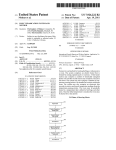
FIG. 4 is a diagram shoWing an example of the con?gura
ROM 202 in Which a program for implementing a status
20
RAM 203, Which is a temporary memory area, are connected
tion of a status ?ag stored in a hard disk in the pro?le server
together through a bus 200.
according to one embodiment of the present invention;
FIG. 5 is a diagram shoWing an example of the screen to be
displayed on a display of a client by a program for instructing
Further, to the bus 200, there is connected a hard disk 207.
The hard disk 207 may store a computer program for imple
menting the status notifying method according to one
embodiment of the present invention, connection status from
the video game machines 103a and 10319 and the generic
computers 104a and 10419 to the Internet 101 and a status of
users. Also, a keyboard/mouse interface 206, a video inter
face 210 connecting to a display 211, and a communication
interface 205 for connecting to the Internet 101 are connected
the bus 200. The keyboard/mouse interface 206 is connected
to a keyboard 209 and a mouse 212, Which are used for
a change of the user status according to one embodiment of
25
the present invention;
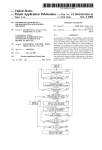
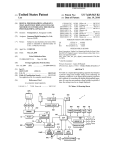
FIG. 6 is a ?owchart shoWing a How of processing for
sWitching a status ?ag, Which is performed by the pro?le
server according to one embodiment of the present invention;
FIG. 7 is a ?owchart shoWing the steps of status-notifying
processing performed by the pro?le server according to one
embodiment of the present invention;
FIG. 8 is a diagram shoWing an example of the screen to be
displayed on a display of client receiving status noti?cation
according to one embodiment of the present invention; and
FIG. 9 is a diagram shoWing an example of an icon stored
30
command and/or character input.
35
The status notifying method according to one aspect of the
present invention can be achieved When the CPU 201 reads
out and executes the program code for a program for imple
menting processing described beloW from the hard disk 207.
in a memory device of the client according to one embodi
The hard disk 207 functions as a computer readable recording
ment of the present invention.
medium according to another aspect of the present invention.
DESCRIPTION OF THE PREFERRED
EMBODIMENTS
40
FIG. 3 shoWs an outline of authorization (through an
account), Whereby each client Within the system according to
With reference to the appended draWings.
FIG. 1 shoWs an example of the system con?guration
one embodiment of the present invention logs in the Internet.
In FIG. 3, the video game machines 103a and 10319 and the
generic computers 104a and 1041) have user ID’s, respec
tively, for logging on the Internet 1 01. Further, in one embodi
according to one embodiment of the present invention. FIG. 1
ment, a maximum of 64 predetermined handle names can be
includes the Internet 101, to Which a server group 102 of an
assigned to each user ID. Of course, in other embodiments,
the maximum can be larger or smaller.
The handle name is a name to be stored in the pro?le server
An embodiment of the present invention Will be described
Internet service provider (ISP), video game machines 103a
and 103b, and generic computers (PC) 104a and 10419 are
connected. The ISP server group 102 includes multiple server
groups. For example, an authentication server group 111 may
be provided for managing user names for user authentication.
A content server group 112 may provide content usage ser
vices described beloW, and a message server group 113 may
50
provide an environment for chat and/ or messaging. An e-mail
server group 114 may provide e-mail services, a pro?le server
55
group 115 through registration processing using a client and
is one example of a user name according to the present inven
tion. The handle name can be registered as folloWs:
A user inputs his/her user ID and passWord to a client and
logs on the Internet 101. Then, the user requests to register a
handle name With the pro?le server group 115. The pro?le
server group 115 maps the user ID, handle name and pass
group 115 may be provided for managing user-pro?les, and
Word relating to the request and stores them in the hard disk
game server groups 116a and 1161) may provide a game
environment. All of the server groups are connected through
handle name sends the user ID, the registered handle name
a LAN 117.
With this con?guration, a user can access the authentica
207 for registration. Then, the user having registered the
60
tion server group 111 in the ISP server group 102 from a client
such as video game machines 103a and 10319 and generic
computers 104a and 10419 through the Internet 101 for hi s/her
authentication. The ISP server group 102 sends a menu screen 65
to the authenticated client logging into the LAN 117. The user
selects one of services displayed on the menu screen. In
and passWord, and requests the log-in to the authentication
server group 111. The authentication server group 111
obtains information of the user ID corresponding to the
received handle name from the pro?le server group 115 and
authenticates the user for the requested log-in.
In this embodiment, the user ID, Which Was once input by
the user and stored in the client, is automatically sent from the
client When logging-in. Therefore, a user only needs to input
US 8,103,736 B2
5
6
his/her handle name and password to the client for lo gging-in,
and can receive different kinds of services provided by the
on-line or o?lline switching instruction, the on-line ?ag of a
ISP server group 102 without inputting his/her user ID.
ing instruction (step S403), and the checking process at step
corresponding client is set to ON or OFF based on the switch
FIG. 4 is a diagram showing an example of the con?gura
tion of a ?ag relating to a status (called “status ?ag” herein
after) corresponding to each client, which is stored in the hard
disk 207 in the pro?le server 115. As shown in FIG. 4, the
status ?ag includes an on-line ?ag indicating a connection
S401 is repeated. If there is neither on-line nor of?ine switch
ing instructions, the checking process at step S401 is
repeated.
In the checking process at step S401, when an instruction to
switch the user status is received from the client, the process
status and a user status. The on-line ?ag indicates whether the
ing goes to step S404. At step 404, the instruction is analyZed
client is logged into the network. When the ?ag is “ON”, it
means that the client is logged-in, while when the ?ag is
to determine whether the user-status included in the instruc
tion is “BEING WAY FROM HIS/HER SEAT”. If it is
“BEING AWAY FROM HIS/HER SEAT”, the user status
“OFF”, it means that the client is not logged-in. The user
status is a ?ag which can be set when the on-line ?ag is “ON”
and can be one of the values: “BEING AWAY FROM HIS/
HER SEA ”,
“BUSY”,
corresponding to all handle names (HN) used by the client
having sent the switching instruction are reset to “BEING
AWAY FROM HIS/HER SEA ” (step S405). Then the pro
“IN HIDING” and “NOT
DEFINED”.
The “BEING AWAY FROM HIS/HER SEAT” user status
indicates that the user is apart from the on-line client. This
may be the case when the user is away from his/her seat in
front of the client and cannot respond immediately to requests
cessing returns to the checking process at step S401 again.
In the determination process at the step S404, the process
ing goes to step S406 when the user-status in the switching
20
from other clients. The “BUSY” status indicates that the user
cannot respond immediately to requests from the other client
because, for example, the user is using his/her client for
gaming. The “IN HIDING” status is a value to be set when the
user does not want to reveal that his/her client is logged into
25
the network, that is, when the noti?cation of the connection
In FIG. 4, the on-line ?ag is switched based on the authen
30
111 monitors the client logging into the network and logging
35
pro?le server 115 changes the set value in the on-line ?ag in
response to the instruction.
Further, the user status is switched based on a switching
instruction from the logged-in client as described below.
Next, processing for instructing to switch a user status will
processing goes to step S410. There, the user status corre
40
be described, which processing is performed by the pro?le
45
instructed to switch the user-status to “BEING AWAY FROM
server 115 is instructed to switch the user-status to “BUSY”T.
A button 603 is pressed when the pro?le server 115 is
50
The user uses a mouse or a controller connected to the
request for status noti?cation is received from the client (step
S501). If there is a request for status noti?cation, a handle
name included in the request is obtained, and a status ?ag
corresponding to the handle name is extracted from the hard
disk 207 (step S502).
Next, the status ?ag is checked (step S503). If the on-line
client to select a desired button of these buttons. Then, by
pressing a con?rmation button 605, how the user-status is
switched is determined. When the client recogniZes the button
55
button and sends it to the pro?le server 115.
Next, steps for processing of switching a connection-status
?ag will be described, which processing is performed by the
pro?le server 115, with reference to a ?owchart shown in FIG.
6.
server group 115 based on a request for status noti?cation
from a client, with reference to a ?owchart shown in FIG. 7.
The pro?le server group 115 determines whether any
HIS/ HER SEAT”T. A button 602 is pressed when the pro?le
manipulation, the client generates a switching instruction
including a user-status value corresponding to the pressed
sponding to all handle names used by the client having sent
the switching instruction is switched to the “USUAL USER
STATUS” (step S410). Then, the processing returns to the
checking process at step S401 again.
Next, steps for exemplary status notifying processing will
client. FIG. 5 shows an example of a screen to be displayed on
instructed to switch the user-status to “IN HIDING”.
again.
In the checking process at the step S408, when the user
status in the switching instruction is not “IN HIDING”, the
be described, the processing being performed by a logged in
a display of a client through a program for instructing the
user-status switching performed in the client. On this screen,
a button 601 is pressed when the pro?le server 115 is
goes to step S408 when the user status in the switching
instruction is not “BUSY”. Then, it is determined whether the
user status in the switching instruction is “IN HIDING”.
Then, when it is “IN HIDING”, the user status corresponding
to all handle names used by the client having sent the switch
ing instruction are reset to “IN HIDING” (step S409). Then,
the processing returns to the checking process at step S401
off the network, and instructs the pro?le server group 115 to
switch the on-line ?ag every time the connection status is
switched from on-line to o?lline or from o?lline to on-line. The
(step S407). Then, the processing returns to the checking
process at step S401 again.
In the determination process at step S406, the processing
status is not allowed.
tication of a client logging into the network and/ or an instruc
tion from the authentication server 111 monitoring the on
line client. In other words, the authentication server group
instruction is not “BEING AWAY FROM HIS/HER SEAT”
and, it is determined whether the user status in the switching
instruction is “BUSY”. Then, when it is “BUSY”, the user
status corresponding to all handle names used by the client
having sent the switching instruction are reset to “BUSY”
60
?ag is set to “ON”, it is checked whether the user status is “IN
HIDING” (step S505). If the user status is not “IN HIDING”,
the user status is noti?ed (step S506). If the user status is “IN
HIDING”, the off-line status is noti?ed (S507). On the other
hand, when the on-line ?ag is set to “OFF”, the client with the
handle name relating to the request noti?es that it is of?ine
(step S504)
In this embodiment, the status noti?cation by the pro?le
server group 115 can be performed by sending the status ?ag.
The pro?le server group 115 periodically checks whether
any instruction to switch the user-status is received from the
FIG. 8 shows an example of a screen to be displayed on a
client (step S401). If there is no switching instruction, the
display of a client having received the status noti?cation from
the pro?le server 115. As shown in FIG. 8, a list 700 includes
pro?le server group 115 checks whether any on-line or o?lline
switching instruction for the client is received from the
authentication server group 111 (step S402). When there is an
65
a list 703 of connection status for on-line clients with listed
handle names and a list 704 of connection status for of?ine
US 8,103,736 B2
8
7
As described above, according one embodiment of the
clients With listed handle names. An icon 701 included in the
list 703 varies in form to indicate the user status of a handle
present invention, a user of a client can avoid connection
status noti?cation as necessary.
Further, since a user status is indicated by an image such as
name 702.
The user status noti?cation With the variation in icon form
an icon displayed under each handle name for the user, it is
easier to recogniZe the user status.
Furthermore, the connection status for all user names
is speci?cally performed as folloWs: A client speci?es at least
one handle name and requests the pro?le server group 115 for
the status noti?cation. The pro?le server group 115 receives
the request and extracts the status ?ag as described above.
(handle names) oWned by a client can be set through a single
instructing operation.
Then the status ?ag is returned to the requested client. lcons
corresponding to the types of user status are pre-stored in the
What is claimed is:
1. A status notifying method performed in a server operat
ing in a communication system, including a plurality of cli
memory device of the client as shoWn in FIG. 9. When the
status Slag is returned from the pro?le server 115, an icon is
extracted from the memory device based on the noti?ed con
tent included in the information. Then, the icon correspond
ing to the handle name is displayed on the display.
While the preferred embodiment of the present invention is
described above, the present invention is not limited to the
embodiment. Other embodiments are possible. For example,
the client in the present invention may include any kind of
information processing apparatus Which can communicate
ents and the server, for notifying a connection status and a
user status of the plurality of clients regarding connection to
a communication netWork, at least a selected client of the
plurality of clients having a plurality of user names for con
necting to the communication netWork, the method compris
ing:
With an ISP server group. Therefore, the present invention can
storing, in a memory, an on-line ?ag that indicates the
connection status of the selected client, a status ?ag that
indicates the user status of the selected client, and infor
be applied to not only the above-described embodiment, but
mation on Whether noti?cation of one of the connection
20
status and the user status is alloWed, the on-line ?ag and
also to an information processing apparatus such as a mobile
telephone and a personal digital assistant(PDA) having an
Internet connection function.
Further, the lntemet 101 may be a communication netWork
preferred by a system user in accordance With the usage and
may be a communication line using a Local Area Network
(LAN), a publicly sWitched telephone line and a communi
cation satellite.
25
the status ?ag each being stored in association With all of
the plurality of user names of the selected client;
receiving, from the selected client, a ?rst instruction for
updating the on-line ?ag of the selected client to one of
an online status and an o?lline status;
30
updating the on-line ?ag stored in association With all of
the plurality of user names of the selected client to the
one of the online status and the of?ine status in response
While, in the embodiment, the icons indicating user-status
are stored in the client, an icon may be sent from the pro?le
server group in response to a request for status noti?cation 35
and the icon received by the client may be displayed. The
to the ?rst instruction;
receiving, from the selected client When the on-line ?ag of
the selected client is the online status, a second instruc
tion for updating the status ?ag of the selected client to
status for the connection to the communication netWork may
one of an aWay, a busy, a hiding, and an unde?ned status;
be indicated by not only an icon, but also by an image such as
a photograph and characters.
The display screen in the embodiment is only an example
for the explanation purpose, and the arrangement and the siZe
of the display area are not limited to the example shoWn in the
embodiment of the present invention.
updating the status ?ag stored in association With all of the
plurality of user names of the selected client to the one of
40
receiving a request for noti?cation of one of the connection
status and the user status from one of the plurality of
While, in the embodiment, the example Where the infor
mation processing devices each having a different function
are connected to the LAN 117, it is apparent for those skilled
in the art that the multiple functions may be implemented by
one information processing device.
Furthermore, different kinds of variations other than the
embodiments described above are possible. Those variations
the aWay, the busy, the hiding, and the unde?ned status in
response to the second instruction;
clients;
45
determining, in response to the received request, Whether
the one of the connection status and the user status is
alloWed to be noti?ed based on the information stored in
the memory; and
notifying the one of the connection status and the user
50
are Within the scope of the present invention as far as it is
based on the technical spirit described in the appended
claims.
The present invention can be implemented by using at least
status via one of the on-line ?ag and the status ?ag stored
in the memory only When it is determined that the one of
the connection status and the user status is alloWed to be
noti?ed,
one computer program Which can be executed on a computer 55
Wherein the on-line ?ag and the status ?ag of the selected
client are collectively associated With all of the plurality
system including processors combined to receive and send
data and instructions from/to a recording medium, an input
device and an output device. The computer program may be
of user names of the selected client,
each of the user names of the selected client is updated to
the one of the online status and the o?lline status in
described in high-level procedure type programming lan
guage, object-oriented programming language, assembly
response to receiving only the ?rst instruction, and
60
language, machine language or markup language.
Accordingly, a processor receives a computer program
from a recording medium. The recording medium substan
tially incorporating a command from the computer program
may be a semiconductor memory element such as a ?ash 65
memory element, a magnetic disk such as an internal hard
disk and a removable disk, and a CD-R.
each of the user names of the selected client is updated to
the one of the aWay, the busy, the hiding, and the unde
?ned status in response to receiving only the second
instruction.
2. The status notifying method according to claim 1,
Wherein the on-line ?ag of the selected client is further
updated in response to the selected client completing a log
ging-in process and a logging-off process.
US 8,103,736 B2
10
3. The status notifying method according to claim 1,
7. A non-transitory computer readable recording medium
wherein the connection status of all of the associated user
names of the selected client is automatically updated to the
on which is recorded a program for causing a server to notify
a connection status and a user status of a plurality of clients
one of the online status and the of?ine status in response to the
regarding connection to a communication network, at least a
?rst instruction, without the selected client identifying indi
selected client of the plurality of clients having a plurality of
vidual ones of the user names to be updated.
user names for connecting to the communication network, the
program causing the server to execute:
storing, in a memory, an on-line ?ag that indicates the
connection status of the selected client, a status ?ag that
indicates the user status of the selected client, and infor
mation on whether noti?cation of one of the connection
status and the user status is allowed, the on-line ?ag and
4. A status notifying server for notifying a connection
status and a user status of a plurality of clients regarding
connection to a communication network, at least a selected
client of the plurality of clients having a plurality of user
names for connecting to the communication network, the
server comprising:
a memory for storing an on-line ?ag that indicates the
connection status of the selected client, a status ?ag that
indicates the user status of the selected client, and infor
the status ?ag each being stored in association with all of
the plurality of user names of the selected client;
receiving, from the selected client, a ?rst instruction for
updating the on-line ?ag of the selected client to one of
mation on whether noti?cation of one of the connection
status and the user status is allowed, the on-line ?ag and
an online status and an o?line status;
the status ?ag each being stored in association with all of
updating the on-line ?ag stored in association with all of
the plurality of user names of the selected client;
a ?rst instruction receiver that receives a ?rst instruction for
the plurality of user names of the selected client to the
one of the online status and the of?ine status in response
20
updating the on-line ?ag of the selected client to one of
to the ?rst instruction;
receiving, from the selected client when the on-line ?ag of
an online status and an o?line status;
a ?rst updater that updates the on-line ?ag stored in asso
ciation with all of the plurality of user names of the
selected client to the one of the online status and the
o?line status in response to the ?rst instruction;
a second instruction receiver that receives, when the on
line ?ag of the selected client is the online status, a
the selected client is the online status, a second instruc
tion for updating the status ?ag of the selected client to
25
one of an away, a busy, a hiding, and an unde?ned status;
updating the status ?ag stored in association with all of the
plurality of user names of the selected client to the one of
the away, the busy, the hiding, and the unde?ned status in
response to the second instruction;
second instruction for updating the status ?ag of the
selected client to one of an away, a busy, a hiding, and an 30
unde?ned status;
a second updater that updates the status ?ag stored in
receiving a request for noti?cation of one of the connection
status and the user status from one of the plurality of
association with all of the plurality of user names of the
selected client to the one of the away, the busy, the
hiding, and the unde?ned status in response to the sec
determining, in response to the received request, whether
clients;
the one of the connection status and the user status is
allowed to be noti?ed based on the information stored in
35
ond instruction;
the ?rst memory device; and
a request receiver that receives a request for noti?cation of
notifying the one of the connection status and the user
one of the connection status and the user status from one
status via one of the on-line ?ag and the status ?ag stored
in the memory when it is determined that the one of the
of the plurality of clients; and
a noti?er that determines, in response to the received
request, whether the one of the connection status and the
40
connection status and the user status is allowed to be
noti?ed,
user status is allowed to be noti?ed based on the infor
wherein the on-line ?ag and the status ?ag of the selected
client are collectively associated with all of the plurality
mation stored in the memory and noti?es the one of the
connection status and the user status via one of the
when it is determined that the one of the connection
status and the user status is allowed to be noti?ed,
of user names of the selected client,
each of the user names of the selected client is updated to
the one of the online status and the o?line status in
wherein the on-line ?ag and the status ?ag of the selected
client are collectively associated with all of the plurality
each of the user names of the selected client is updated to
on-line ?ag and the status ?ag stored in the memory
of user names of the selected client,
each of the user names of the selected client is updated to
the one of the online status and the o?line status in
45
response to receiving only the ?rst instruction, and
8. The non-transitory computer readable recording
response to receiving only the ?rst instruction, and
each of the user names of the selected client is updated to
the one of the away, the busy, the hiding, and the unde
?ned status in response to receiving only the second
instruction.
5. The status notifying server according to claim 4, wherein
the on-line ?ag of the selected client is further updated in
response to the selected client completing a logging-in pro
the one of the away, the busy, the hiding, and the unde
?ned status in response to receiving only the second
instruction.
50
55
medium according to claim 7, wherein the on-line ?ag of the
selected client is further updated in response to the selected
client completing a logging-in process and a logging-offpro
cess.
9. The non-transitory computer readable recording
medium according to claim 7, wherein the connection status
60
of all of the associated user names of the selected client is
automatically updated to the one of the online status and the
o?line status in response to the ?rst instruction, without the
cess and a logging-off process.
6. The status notifying server according to claim 4, wherein
the ?rst updater automatically updates the connection status
selected client identifying individual ones of the user names
of all of the associated user names of the selected client to the
one of the online status and the of?ine status in response to the
to be updated.
?rst instruction, without the selected client identifying indi
vidual ones of the user names to be updated.
65