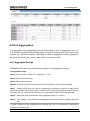
1
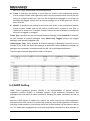
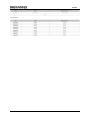
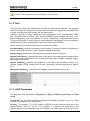
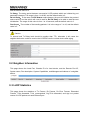
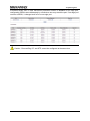
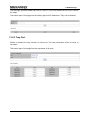
9 LLDP LLDPDUs encapsulated with SNAP-encapsulated LLDPDU. the same encapsulation format. So is for the LLDPDU encapsulation format is Ethernet II by default. If the neighbor devices encapsulates LLDPDU with SNAP format, the user can change the LLDPDU encapsulation format to SNAP to maintain the normal communication with neighbor devices. LLDP can operate in one of the following modes: Disabled mode Tx and Rx mode Tx Only mode Rx Only mode A port in this mode does not send or receive LLDPDUs. A port in this mode sends and receives LLDPDUs. A port in this mode only sends LLDPDUs. A port in this mode only receives LLDPDUs. When the LLDP operating mode of a port takes change, its LLDP protocol state machine will re-initialize. To prevent LLDP from being initialized too frequently during times of frequent operating mode change, you can configure a re-initialization delay. With this delay configured, a port must wait for the specified interval before it can initialize LLDP after the LLDP operating mode changes. Transmitting LLDPDUs An LLDP-enabled port operating in “Tx and Rx” mode or “Tx Only” mode sends LLDPDUs to its directly connected devices both periodically and when the local configuration changes. To prevent the network from being overwhelmed by LLDPDUs during times of frequent local device information change, an interval is introduced between two successive LLDPDUs. This interval is shortened to 1 second in either of the following two cases: A new neighbor is discovered, in other words, a new LLDPDU is received carrying device information new to the local device. The LLDP operating mode of the port changes from “Disabled” /”Rx Only” to “Tx and Rx” or “Tx Only”. This is the fast sending mechanism of LLDP. This feature sends a specific number of LLDPDUs at the 1-second interval to help LLDP neighbors discover the local device as soon as possible. Then, the normal LLDPDU transmit interval resumes. Receiving LLDPDUs An LLDP-enabled port operating in “Tx and Rx” mode or “Rx Only” mode checks the validity of TLVs carried in every received LLDPDU. If valid, the information is saved and an aging timer is set for it based on the time to live (TTL) value in the Time To Live TLV carried in the LLDPDU. If the TTL value is zero, the information is aged out immediately. The lower part of this page lists the LLDP status for all ports. 50