1
4.4. Import
6:
7:
8:
9:
10:
11:
12:
13:
14:
15:
16:
17:
18:
19:
20:
21:
22:
23:
43
Int
ommitInterval
1 to iOrder.length do
tableList iOrder[i℄
while iterator has more data rows do
row iterator.next()
HandleDataRow(row, plan, tableList, 1)
ounter ounter + 1
if (Int 6= 1) and (ounter mod Int = 0) then
for i
commit
reparse - reset iterator
if postponedColumns is not empty then
while iterator has more data rows do
row iterator.next()
HandleDataRow(row, plan, postponedColumns, 2)
ounter ounter + 1
if (Int 6= 1) and (ounter mod Int = 0) then
commit
commit
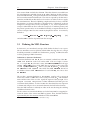
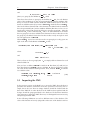
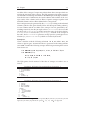
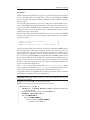
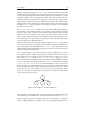
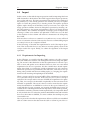
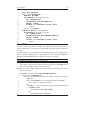
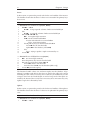
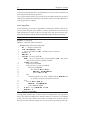
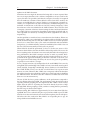
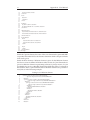
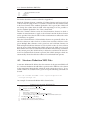
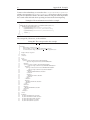
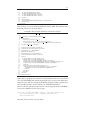
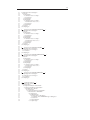
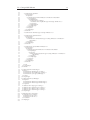
As shown in the algorithm, we handle all non-postponed columns in phase 1
and as a final step we enter phase 2 and handle all the postponed columns in
one run.
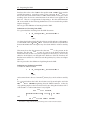
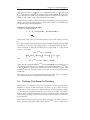
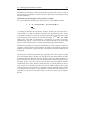
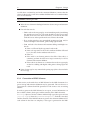
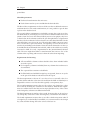
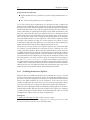
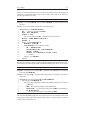
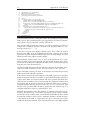
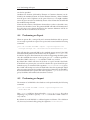
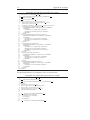
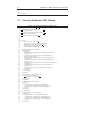
In the following, we present the function HandleDataRow of the importer. The
inserter, updater and merger have specializations of the functions HandlePKPresent and HandlePKNotPresent which we denote row handlers.
Algorithm 4.6 HandleDataRow of the importer
Requires: The data row to handle row, an execution plan plan, a tableList
which refers to the list of the insertion order to handle now, the phase which
shows if we should handle postponed columns
Ensures: The data of row is imported to the database according to the chosen
import operation.
1:
2:
3:
4:
5:
6:
7:
8:
9:
10:
11:
function H ANDLE D ATA R OW(row, plan, tableList, phase)
for each table t in tableList do
for each concept which includes the table t (consider the columns
of row) do
if all columns ol of t that are included from are null then
skip – outer joins implies null tuples
else
mathP K Â test for presence of primary key in the database
if mathP K then
HandlePKPresent(, t, row, phase)
else
HandlePKNotPresent(, t, row)