1
2
The air duct does not need to connect directly to the stove as the duct may terminate at the
hearth top level. If air is accessed through the wall, remove the air cover at the stove pedestal
back, and install a 4” or larger duct connecting the stove pedestal and the wall. A storm or
dryer type vent with a screen is adequate, or a Kuma #4OAVK kit which includes all parts necessary to access air through the wall or floor is available from your dealer. If you are not installing this stove in a mobile home, and outside air is not desired, simply remove the outside
air cover at the pedestal back so ambient room air can enter.
Please note that at certain draft conditions (i.e. high winds) a significant amount of air
may be needed to achieve a proper burn. Consideration of open windows or an air source near
the stove will probably be necessary depending on the “air-tightness” of your home. Again,
outside air to your oil stove is a good idea as it will make the combustion impervious to house
pressure problems. For further help or questions, contact your dealer.
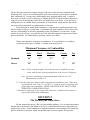
*Please note that these clearances are minimums. It is a good idea to exceed these
clearances unless space is limited. Common sense must prevail.
Minimum Clearances to Combustibles
Sides
Back
Standard
10”
1”*
Alcove
10”
1”*
Flue Pipe
Corner
Top
3”**
3”
—
3”
3”
18”
Note: Corner clearance applies only when the stove is installed in a room
corner with the stove placed perpendicular to the corner (45 degrees).
Note: On alcove installations, the maximum depth of the alcove is 30”.
Minimum alcove width is 42”.
*1” Clearance from stove back to wall on through-wall installations only. When passing through the wall, Class “L” or Class “A” chimney must be used along with
proper approved wall thimble. NEVER USE SINGLE WALL PIPE TO PASS
THROUGH A COMBUSTIBLE WALL.
**Clearances to flue pipe are for single-wall connectors. A double-wall connector is
required for mobile home installations.
SECTION 2
The flue and flue connections
Do not connect this unit to a flue servicing another appliance. It is of utmost importance
that the flue be dedicated to the Shasta as the flue is, without a doubt, the most important component of the system. Good combustion is dependent upon the correct amount of air being supplied to the burner at all times, which is dependent upon a correct negative flue pressure.