1
is easy to insert the film between the intensifying
screen and plastic holder.
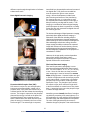
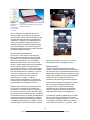
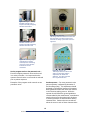
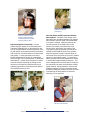
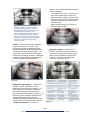
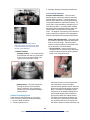
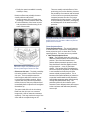
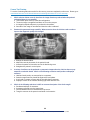
Flexible cassettes are opened by removing one
tab of the Velcro fastener whereas rigid cassettes
have a mechanical “snap” lock device.
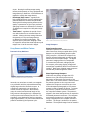
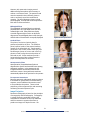
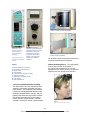
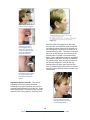
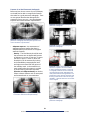
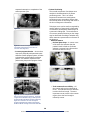
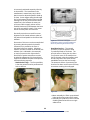
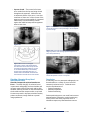
Figure 25. Bite Block
This device comprises a head holder and a
chin rest/bite block. The chin rest/bite block
is used to stabilize the patient’s dentition in
the anteroposterior direction whereas the
head holder is used to stabilize the orientation
of the patient’s head in both the vertical and
horizontal planes.
Figure 26. Loading film into flexible
cassette
Steps in Taking a Panoramic Exposure
Preparation
Before a patient can be positioned in the panoramic
unit, it is important that both the machine and
patient are prepared prior to exposure.
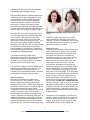
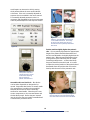
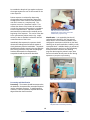
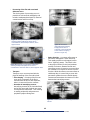
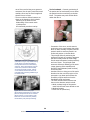
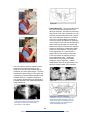
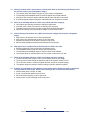
Figure 27. Loading film into rigid cassette
Film-based Machine Preparation
Load the film into the cassette – This must
be performed in the darkroom. Because the
panoramic film incorporates special dyes that
make it more sensitive to the light emitted by the
intensifying screen, this film (also called “indirect
exposure” film) is more sensitive to the darkroom
safelight. Therefore, after a film is removed
from the container, the lid should be replaced
immediately. The operator now has a reasonable
time (approximately 2 min.) to place the film into
the cassette without producing film fog.
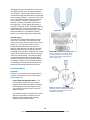
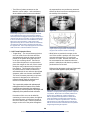
Load the cassette into the receptor assembly – If
a flexible cassette is used this is loaded onto the
receptor assembly by securing the Velcro end
to the drum and carefully wrapping the cassette
around the curved surface ensuring that the
lower edge of the cassette is butted against the
rim of the drum. The other end of the cassette
is secured to the central shaft of the receptor
assembly with a Velcro tab. Rigid cassettes are
easier to load into the receptor assembly and are
guided by rails and secured into position by locks.
However, this does not prevent rigid cassettes
from being inserted back to front or upside down.
Therefore, rigid cassettes will often have some
annotation on one side providing guidance as to
their correct insertion.
Unlike rigid cassettes in which they are attached,
intensifying screens are easily removed from
flexible cassettes. Special care must therefore
be taken when flexible cassettes are used as it
12
Crest® Oral-B® at dentalcare.com Continuing Education Course, Revised November 17, 2015