1
97
The maximum velocity and target position control parameters can be changed while the
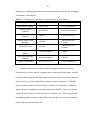
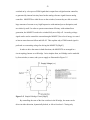
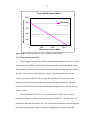
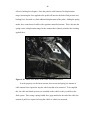
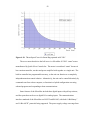
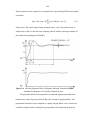
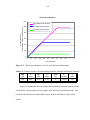
actuator is in motion, allowing a composite trajectory profile to be created. Figure 5-2(a)
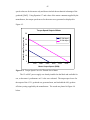
shows a simple trapezoidal velocity profile, while Figure 5-2(b) displays a velocity
profile generated by changing the velocity and final position during the move. Note that
the final stopping position is the integral of the trapezoidal velocity profile.
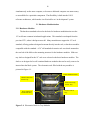
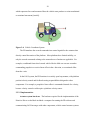
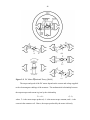
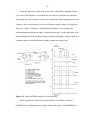
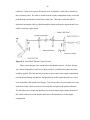
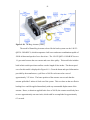
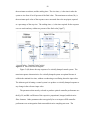
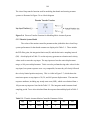
Figure 5-1: Block Diagram of Servo Systems Implemented on the Mule Actuators
Also shown in Figure 5-1 is the digital PID filter designed to create the control
signal that is used with a power amplifier to effectively drive the servo motor to the
desired position. In order to calculate the position error term used by the filter, the actual
position (feedback position from quadrature decoder) is subtracted from desired position
supplied by the trajectory generator. The current position error is then passed to the
digital PID filter, which performs various operations on the error signal in order to
calculate the command signal. The command signal is then converted to a current by the
power amplifier, which produces a torque in the motor intended to minimize the position
error.