1
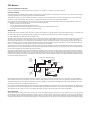
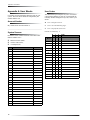
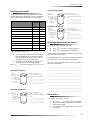
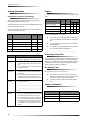
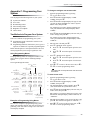
Appendix B: Planning for Emergencies Understand how to use your security system. Know the normal state of doors and windows; open, closed, or locked. Use a different escape route if closed doors feel hot to the touch. Emphasize that everyone should escape as quickly as possible. Do not stop to gather any belongings. Crawl and hold your breath as much as possible to help reduce smoke inhalation during your escape. Meet at a designated outdoor location. Emphasize that no one should return to the premises if there is a fire. Notify fire department from a neighbor’s phone. ! B e d ro o m L iv in g R o o m Your Floor Plan Use the space provided on the next page and the follow these guidelines when drawing your floor plan: Show all building levels. Show exits from each room (two exits per room are recommended). Show the location of all security system components. Show the locations of any fire extinguishers. Alarm System Limitations Not even the most advanced alarm system can guarantee protection against burglary, fire, or environmental emergencies. All alarm systems are subject to possible compromise or failure-to-warn, for a variety of reasons including: If sirens are not placed within range of persons sleeping, in remote areas of the premises, or if they are placed behind doors or other obstacles. If intruders gain access through unprotected entry points or areas where sensors are bypassed. If intruders have the technical means of bypassing, jamming, or disconnecting any or all parts of the system. H B a se m e n t D in in g R o o m d sm o k te c to r s sm o k l if d o o n t a n d e d e te c to r e d e t e c t o r is r is n o t p r o v id e d b e t w e e n r e c r e a tio n r o o m s . S m sh tw a r th B e d ro o m H H a ll B e d ro o m B e d ro o m L iv in g R o o m x B a se m e n t D in in g R o o m T V R e q u ir e H e a t d e In d ic a te o p tio n a b a se m e B e d ro o m K itc h e n L iv in g R o o m If you arrive at the premises and hear sirens, do not attempt to enter the building. Call for emergency assistance from a neighbor’s phone. The figure on this page is an example of a multilevel floor plan. Use it as a guide and draw your floor plan on the next page. D in in g R o o m X 7, Floor Plan Example A s m o k e d e t e c t o r s h o u ld b e lo c a t e d o n e a c h le v e l. B e d ro o m K itc h e n H L iv in g R o o m o k e o u ld e e n e a a n e fa m d e te c to rs b e lo c a t e d t h e s le e p in d th e re s t ily liv in g u g b e - o f n it . B e d ro o m R e c r e a tio n R o o m B e d ro o m R o o m H a ll Develop plans for a variety of emergency situations. Periodically discuss and rehearse emergency plans that include the following: H a ll Appendix B: Planning for Emergencies In m lo a t fa m o re c a te e a c ily liv th a n a sm h a re in g u n its w ith o n e s le e p in g a r e a , o k e d e te c to r a . B e d ro o m B e d ro o m N O T E : C e ilin g -m o u n t e d s m o k e d e t e c t o r s s h o u ld b e lo c a t e d in t h e c e n t e r o f t h e r o o m o r h a ll, o r n o t le s s t h a n 4 in c h e s fr o m t h e w a ll. W h e n t h e d e t e c t o r is m o u n t e d o n t h e w a ll, t h e t o p o f t h e d e t e c t o r s h o u ld b e 4 t o 1 2 in c h e s fr o m t h e c e ilin g . N O T E : D o n o t in s t a ll s m o k e d e t e c t o r s w h e r e n o r m a l a m b ie n t t e m p e r a t u r e s a r e a b o v e 1 0 0 ° F o r b e lo w 4 0 ° F . A ls o , d o n o t lo c a t e d e t e c t o r s in fr o n t o f A C / H e a t r e g is t e r s o r o t h e r lo c a t io n s w h e r e n o r m a l a ir c ir c u la t io n w ill k e e p s m o k e fr o m e n te r in g th e d e te c to r . N O T E : A d d it io n a l in fo r m a t io n o n h o u s e h o ld fir e w a r n in g is a v a ila b le a t n o m in a l c o s t fr o m : T h e N a tio n a l F ir e P r o t e c tio n A s s o c ia tio n , B a t te r y m a r c h P a r k , Q u in c y , M A 0 2 2 6 9 . R e q u e s t S t a n d a r d N o . N F P A 7 4 . If power to sensors is disconnected or inadequate. If freeze, flood, or any environmental sensors are not located in areas where the specific condition can be detected. If smoke does not reach a smoke sensor. For example, smoke sensors cannot detect smoke in chimneys, walls, roofs, or smoke blocked by a closed door. Sensors may not detect smoke on building levels different from their installed location. Sensors may not warn in time when fires are caused by smoking in bed, explosions, improper storage of flammables, overloaded electrical circuits, or other hazardous conditions. If telephone lines are out of service. Telephone lines are also vulnerable to compromise by any of several means. 21