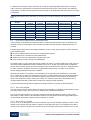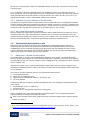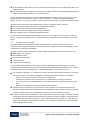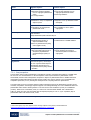
1
Context WRAP WRAP (Waste & Resources Action Programme) works in partnership to encourage and enable businesses and consumers to be more efficient in their use of materials and recycle more things more often. This helps to minimise landfill, reduce carbon emissions and improve our environment. Established as a not-for-profit company in 2000, WRAP is backed by Government funding from Defra and the devolved administrations in Scotland, Wales and Northern Ireland. WRAP and plasterboard Through its Construction Programme, WRAP is helping the construction industry cut costs and increase efficiency through the better use of materials. Plasterboard is used extensively in the construction and refurbishment of buildings as a lining for walls and ceilings, and for forming structures such as partitions. Plasterboard waste can arise on construction sites for a number of reasons, including wasteful design, offcuts from its installation, damaged boards, and over-ordering. It is estimated that over 300,000 tonnes per year of waste plasterboard is produced on construction sites. It can also arise from strip-out activities during refurbishment and demolition projects; the waste arisings from this source are significantly higher. In total it is estimated that over one million tonnes of waste plasterboard are produced each year from construction and demolition activities. Most of this waste is currently disposed to landfill, even though it can be easily recycled. WRAP receives funding from Defra through the Business Resource Efficiency and Waste (BREW) programme to divert plasterboard waste from landfill by working to overcome the barriers to plasterboard recycling. Additional funding is also received from the devolved administrations in Scotland, Wales and Northern Ireland. WRAP is working to overcome these barriers through the following key areas: plasterboard waste minimisation; site waste management; segregation and collection of plasterboard waste; development of infrastructure, including waste logistics and recycling capacity; market development for materials from plasterboard recycling – recycled gypsum and reclaimed paper; education, awareness and behavioural change; and informing and influencing legislation, regulations and policy. More information on WRAP’s work can be found at www.wrap.org.uk/construction Capture of waste plasterboard on construction sites 1