1
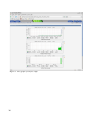
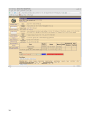
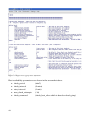
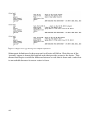
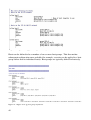
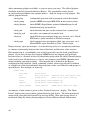
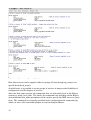
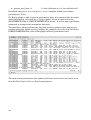
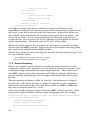
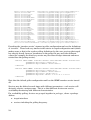
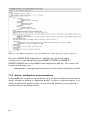
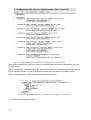
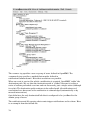
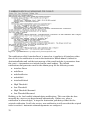
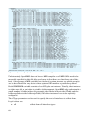
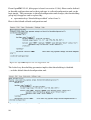
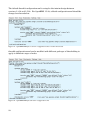
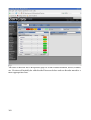
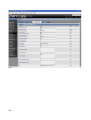
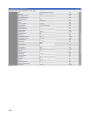
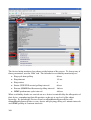
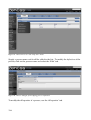
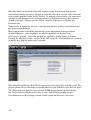
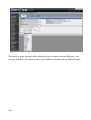
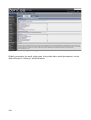
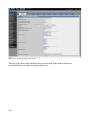
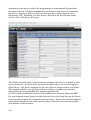
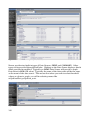
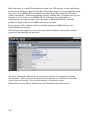
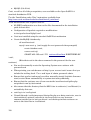
Different filters are applied to each package. The “thresholdinggroup” parameter is required here and the value points to a matching definition in thresholds.xml, where the MIBs to threshold and the threshold values, are specified. Figure 73: OpenNMS Modified thresholds.xml for CCsnmp group and raddlesnmp group The attributes of a threshold are: • • • • • • • 94 type: A "high" threshold triggers when the value of the data source exceeds the "value", and is rearmed when it drops below the "rearm" value. Conversely, a "low" threshold triggers when the value of the data source drops below the "value", and is rearmed when it exceeds the "rearm" value. "relativeChange" is for thresholds that trigger when the change in data source value from one collection to the next is greater than "value" percent. expression: A mathematical expression involving datasource names which will be evaluated and compared to the threshold values. This is used in "expression" thresholding (supported from 1.3.3). dsname: The name of the variable to be monitored. This matches the name in the “alias” parameter of the MIB statement in datacollectionconfig.xml . dstype: Data source type. “node” for nodelevel data items, and "if" for interfacelevel items. dslabel: Data source label. The name of the collected "string" type data item to use as a label when reporting this threshold. Note: this is a data item whose value is used as the label, not the label itself. value: The value that must be exceeded (either above or below, depending on whether this is a high or low threshold) in order to trigger. In the case of relativeChange thresholds, this is the percent that things need to change in order to trigger (e.g. 'value="1.5"' means a 50% increase). rearm: The value at which the threshold will reset itself. Not used for relativeChange thresholds.