1
User’s Manual
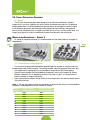
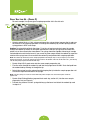
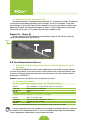
GLASS VIAL LINE UP - (FIGURE 2)
For each sample, line up one glass sample preparation vial in the vial rack.
Figure 2
3. Attach a sorbent tip to a 1.5mL syringe and loosen the syringe piston; immerse the tip and pass
the solution in the sample preparation vial through the sorbent tip by SLOWLY pulling back the
syringe piston in VERY small steps.
Caution: Do not quickly pull back the piston. Try to take at least one minute to pass the sample
through the sorbent tip. Watch as the liquid accumulates inside the syringe barrel and move the
piston only as the accumulation slows down. The syringe should be capable of drawing all sample
and subsequent wash into the barrel. If you run out of piston range, detach the sorbent tip, expel the
solution from syringe barrel, then reattach the sorbent tip and proceed with sample preparation.
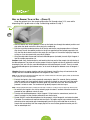
Note: the sorbent tip should stay in the sample preparation vial through steps 3-10 (see Figure 3) even when
dispensing reagents. In case the sorbent tip cannot reach to the bottom of the vial, tilt the vial to 45°, push the tip
into the vial gently and proceed with the SPE step.
4. Pipette 200µL HPLC grade water into the same sample preparation vial.
5. Pass the water through the sorbent tip and into the syringe barrel SLOWLY. Drain the liquid from
the sorbent bed by drawing air through the tip.
6. Detach the syringe from the sorbent tip while keeping the tip inside the sample preparation vial.
Discard the liquid accumulated in the syringe.
Note: save the syringe, as it can be reused with many other samples. For convenience place it into the
pipette rack.
7. Pipette 200µL Eluting Medium (prepared fresh each day, section 3.2) into the same sample
preparation vial (see Figure 3).
8. Pull back the piston of a 0.6mL syringe halfway up the barrel and attach the sorbent tip used
in steps 3-6.
8