1
Rufiji Environment Management Project – REMP
Project Goal: To promote the long-term conservation through ‘wise use’ of the lower Rufiji
forests, woodlands and wetlands, such that biodiversity is conserved, critical ecological
functions are maintained, renewable natural resources are used sustainably and the livelihoods
of the area’s inhabitants are secured and enhanced.
Objectives
• To promote the integration of environmental conservation and sustainable development
through environmental planning within the Rufiji Delta and Floodplain.
•
To promote the sustainable use of natural resources and enhance the livelihoods of
local communities by implementing sustainable pilot development activities based on
wise use principles.
•
To promote awareness of the values of forests, woodlands and wetlands and the
importance of wise use at village, district, regional and central government levels, and
to influence national policies on natural resource management.
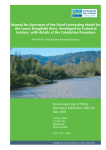
Project Area
The project area is within Rufiji District in the ecosystems affected by the flooding of the river
(floodplain and delta), downstream of the Selous Game Reserve and also including several
upland forests of special importance.
Project Implementation
The project is run from the district Headquarters in Utete by the Rufiji District Administration
through a district Environmental Management Team coordinated by the District Executive
Director. The Project Manager is employed by the project and two Technical Advisers are
employed by IUCN.
Project partners, particularly NEMC, the Coast Region, RUBADA, The Royal Netherlands
Embassy and the Ministry of Natural Resources and Tourism, collaborate formally through
their participation in the Project Steering Committee and also informally.
Project Outputs
At the end of the first five –year phase (1998-2003) of the project the expected outputs are:
An Environmental Management Plan: an integrated plan for the management of the
ecosystems (forests, woodlands and wetlands) and natural resources of the project area that
has been tested and revised so that it can be assured of success - especially through
development hand-in-hand with the District council and the people of Rufiji.
Village (or community) Natural Resource Management Plans: These will be produced in pilot
villages to facilitate village planning for natural resource management. The project will
support the implementation of these plans by researching the legislation, providing training
and some support for zoning, mapping and gazettement of reserves.
Established Wise Use Activities: These will consist of the successful sustainable development
activities that are being tried and tested with pilot village and communities and are shown to
be sustainable
Key forests will be conserved: Forests in Rufiji District that have shown high levels of plant
biodiversity, endemism or other valuable biodiversity characteristics will be conserved by
gazettement, forest management for conservation, and /or awareness-raising with their
traditional owners.