1
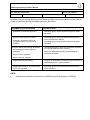
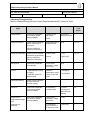
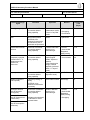
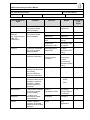
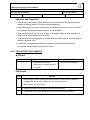
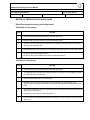
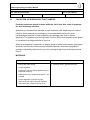
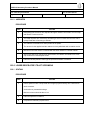
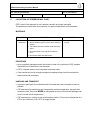
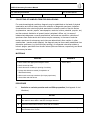
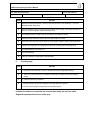
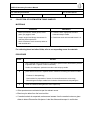
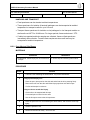
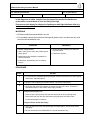
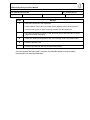
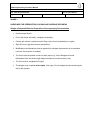
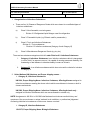
CARPHA Laboratory Procedure Manual Section: QSE 05 – Process Control Title: Laboratory User Manual Page 32 of 58 D. Doc. No: GUL-Q05-001 Effective date: 01.07.2013 Review date: 01.07.2014 Edition: 1 COLLECTION OF FAECAL SAMPLES Stool specimens are most useful for microbiological diagnosis if collected soon after onset of diarrhoea (for viruses < 48 hours for bacteria < 4 days), and preferably before the initiation of antibiotic therapy. If required, two or three specimens may be collected on separate days for bacterial diarrhoea. Stool is the preferred specimen for culture of bacterial, viral and parasitic diarrhoeal pathogens. Rectal swabs showing faeces may also be used from infants. In general, rectal swabs are not recommended for the diagnosis of viruses. MATERIALS SUPPLIES Clean, dry, leak-proof screw cap container and tape. REAGENTS Appropriate bacterial transport media for transport of rectal swabs from infants Parasitology transport pack: 10% formalin in water, polyvinyl isopropyl alcohol (PVA). PROCEDURE A. Method for collecting a stool specimen: STEP ACTION 1 Collect freshly passed stool, 5ml liquid or 5g solid (pea-size), in a container. 2 Label the container B. Method of collecting a rectal swab from infants: STEP ACTION 1 Moisten a swab in sterile saline 2 Insert that swab tip just past the anal sphincter and rotate gently 3 Withdraw the swab and examine to ensure that the cotton top is stained with faeces 4 Place the swab in sterile tube/container containing the appropriate bacterial or viral transport medium. 5 Break off the top part of the stick without touching the tube and tighten the screw cap firmly. 6 Label the vial with patient’s name type of specimen and date of collection